
Restaurant data isn't just changing how we make decisions: it's completely revolutionizing what it means to run a profitable restaurant operation. After working every position from busser to director of marketing, I can tell you that the gut-feeling approach that once defined our industry is rapidly becoming a recipe for failure.
We're witnessing the most significant shift in restaurant management since the invention of the cash register. Restaurant analytics have transformed from nice-to-have reports into mission-critical intelligence that determines whether your doors stay open or close permanently.
The Death of "That's How We've Always Done It"
Every restaurant decision used to rely on intuition, experience, and crossing our fingers. Now, restaurant data provides crystal-clear insights that eliminate guesswork from every aspect of operations.
Think about it: when I was slinging plates as a server, we'd guess which specials to push based on what looked good that morning. Today's smart operators use real-time restaurant KPIs to identify exactly which dishes drive the highest profit margins and customer satisfaction scores.
Data-driven decisions aren't replacing restaurant expertise: they're amplifying it. The best operators combine years of hands-on experience with precise analytics to create unstoppable competitive advantages.

Operations: From Chaos to Clockwork Precision
Restaurant operations generate more data points than most operators realize, and those insights are pure gold for optimization.
– Labor scheduling becomes scientific – Historical sales data, weather patterns, and local event calendars predict exactly when you'll need extra hands on deck, eliminating costly overstaffing and understaffing nightmares
– Kitchen efficiency transforms overnight – Prep time analytics, ticket completion rates, and ingredient usage patterns reveal bottlenecks that cost thousands in wasted labor and food costs
– Equipment maintenance shifts from reactive to preventive – Usage data and performance metrics predict equipment failures before they happen, preventing those dreaded mid-rush breakdowns that destroy service
– Table turnover optimization becomes automatic – Seating patterns, average dining durations, and reservation data maximize covers per shift without rushing guests
Restaurant insights from operations data typically improve efficiency by 15-25% within the first quarter of implementation. That translates directly to bottom-line profits that compound month after month.
Menu Engineering: The Science of Profitable Plates
Menu decisions based on chef preferences and food costs alone leave massive profits on the table every single day.
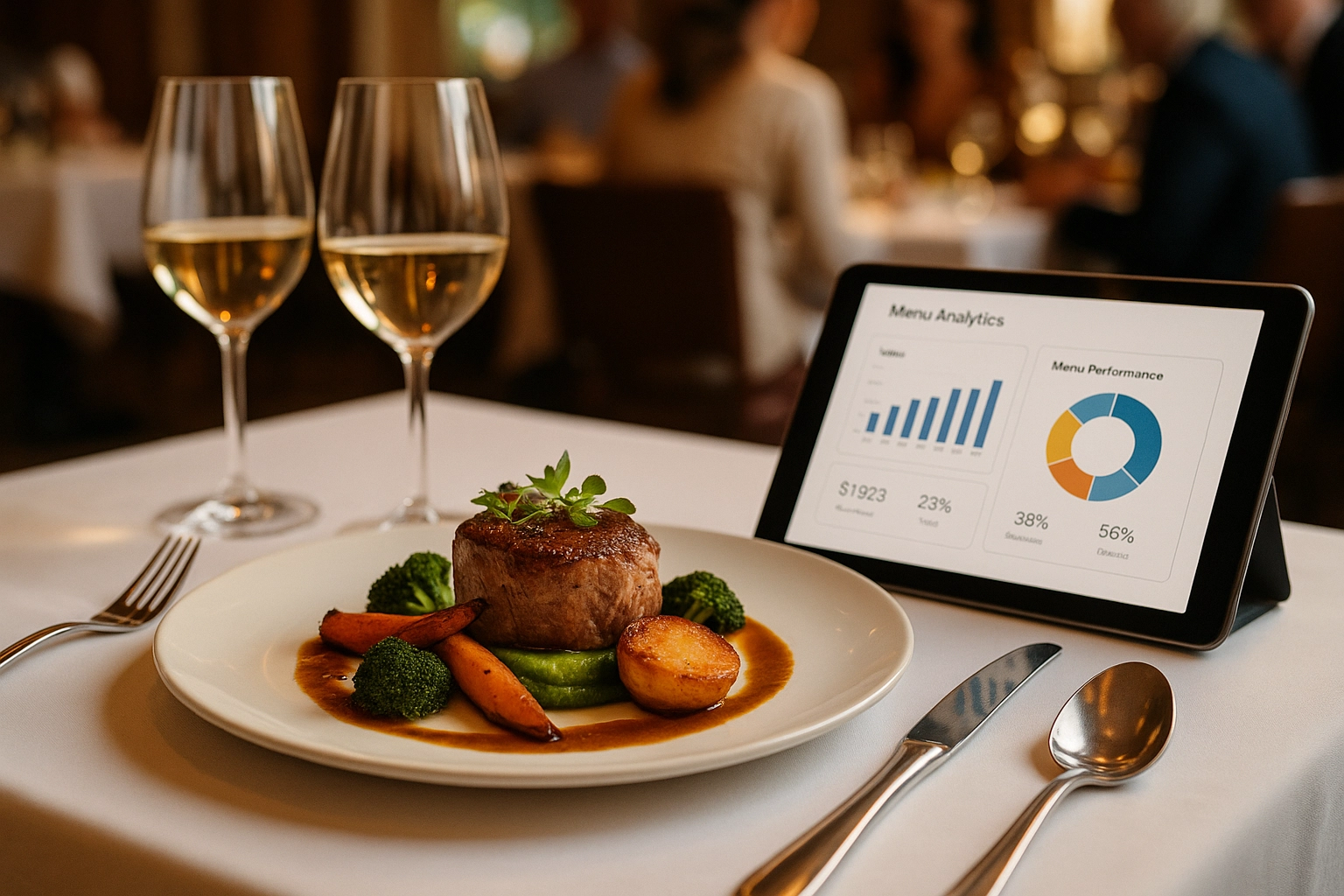
Modern restaurant analytics reveal the hidden psychology behind every order, transforming menu engineering from guesswork into precision profit maximization.
– Item popularity analysis exposes the truth – Track which dishes customers actually order versus what you think they want, revealing opportunities to promote high-margin winners
– Price elasticity testing becomes systematic – Small price adjustments based on demand data can increase per-item profits by 8-12% without affecting customer satisfaction
– Seasonal trend forecasting improves planning – Historical data predicts which menu items will surge during specific months, optimizing inventory and marketing campaigns
– Cross-selling opportunities emerge automatically – Order pattern analysis reveals which appetizers, entrees, and desserts customers naturally pair together
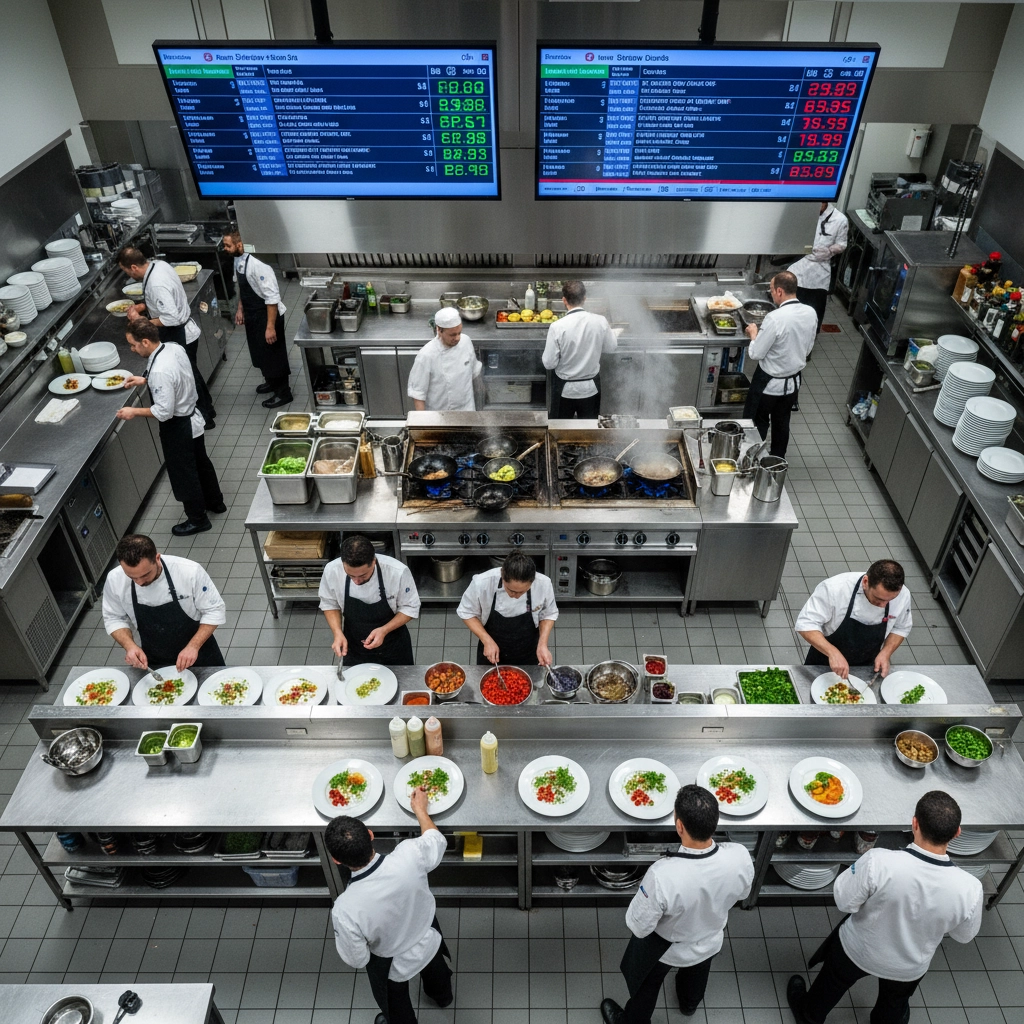
I remember pushing the chef's favorite fish special for weeks before realizing it had a 12% order rate compared to our burger's 31%. Restaurant data would have shown that disparity on day one, not after burning through inventory and labor costs.
Marketing: Targeting Customers Instead of Hoping They Show Up
Marketing without data is just expensive wishful thinking disguised as business strategy.
Restaurant insights transform marketing from spray-and-pray tactics into laser-focused campaigns that deliver measurable ROI.
– Customer segmentation reveals hidden opportunities – Purchase history, visit frequency, and spending patterns identify your most valuable guests and their preferences
– Campaign performance tracking eliminates waste – Real-time analytics show which promotions drive traffic and which drain resources without generating profit
– Loyalty program optimization increases retention – Data reveals which rewards actually motivate repeat visits versus which customers would return anyway
– Social media ROI becomes measurable – Link online engagement directly to in-store sales, proving which platforms deliver customers instead of just likes
Advanced operators use customer lifetime value calculations to determine exactly how much they can spend acquiring new guests while maintaining profitability. This approach consistently outperforms traditional advertising by 200-300%.
Labor Management: The Art and Science of Staffing
Labor costs destroy more restaurant profits than any other controllable expense, yet most operators still schedule based on last week's gut feeling.
Restaurant KPIs for labor management create the perfect balance between service quality and cost control.
– Predictive scheduling eliminates guesswork – Sales forecasting models determine optimal staffing levels for every shift, reducing labor costs while maintaining service standards
– Performance tracking identifies training needs – Individual productivity metrics reveal which team members need additional support and which deserve advancement opportunities
– Cross-training optimization improves flexibility – Data shows which skill combinations create the most valuable employees during busy periods and staff shortages
– Overtime prevention becomes automatic – Real-time labor tracking prevents costly overtime surprises while maintaining coverage requirements
Financial Decision-Making: Numbers That Actually Matter
Restaurant data transforms financial management from monthly panic sessions into proactive profit optimization.
The most successful operators we work with use restaurant analytics to make financial decisions with complete confidence in their outcomes.
– Cash flow forecasting prevents crisis management – Historical sales patterns, seasonal trends, and expense cycles predict exactly when additional funding or cost cuts become necessary
– Vendor negotiations become data-driven – Usage analytics and cost comparisons ensure every supplier relationship delivers maximum value
– ROI calculations guide every investment – Equipment purchases, renovation projects, and technology implementations get measured against predicted returns using actual performance data
– Break-even analysis becomes dynamic – Real-time tracking shows exactly how many covers or average ticket increases are needed to achieve profitability targets
Simple Approaches for Independent Operators
You don't need enterprise-level systems to harness the power of restaurant data: smart independents use these accessible tools:
– POS system reports provide 80% of essential insights – Most modern systems track sales trends, item performance, and basic customer data without additional software
– Free analytics tools reveal marketing effectiveness – Google Analytics, social media insights, and email campaign metrics cost nothing but deliver valuable customer behavior data
– Spreadsheet tracking creates powerful trends – Simple daily tracking of key metrics like average ticket, covers per hour, and food costs reveals patterns that drive decision-making
– Customer feedback apps generate actionable insights – Review platforms and survey tools provide direct customer preferences and satisfaction data
Advanced Strategies for Growing Operations
Multi-unit operators and ambitious single locations require sophisticated analytics platforms that integrate every data source:
– Unified dashboard systems combine all metrics – Integration platforms pull data from POS, inventory, labor, marketing, and financial systems into single-screen visibility
– Predictive modeling anticipates market changes – Advanced algorithms identify trends before they become obvious, creating competitive advantages in menu development and marketing
– Automated reporting eliminates manual analysis – AI-powered systems generate insights and recommendations without requiring dedicated analyst positions
– Benchmark comparisons guide improvement – Industry data and competitor analysis reveal exactly where your operation stands and which improvements deliver the highest ROI
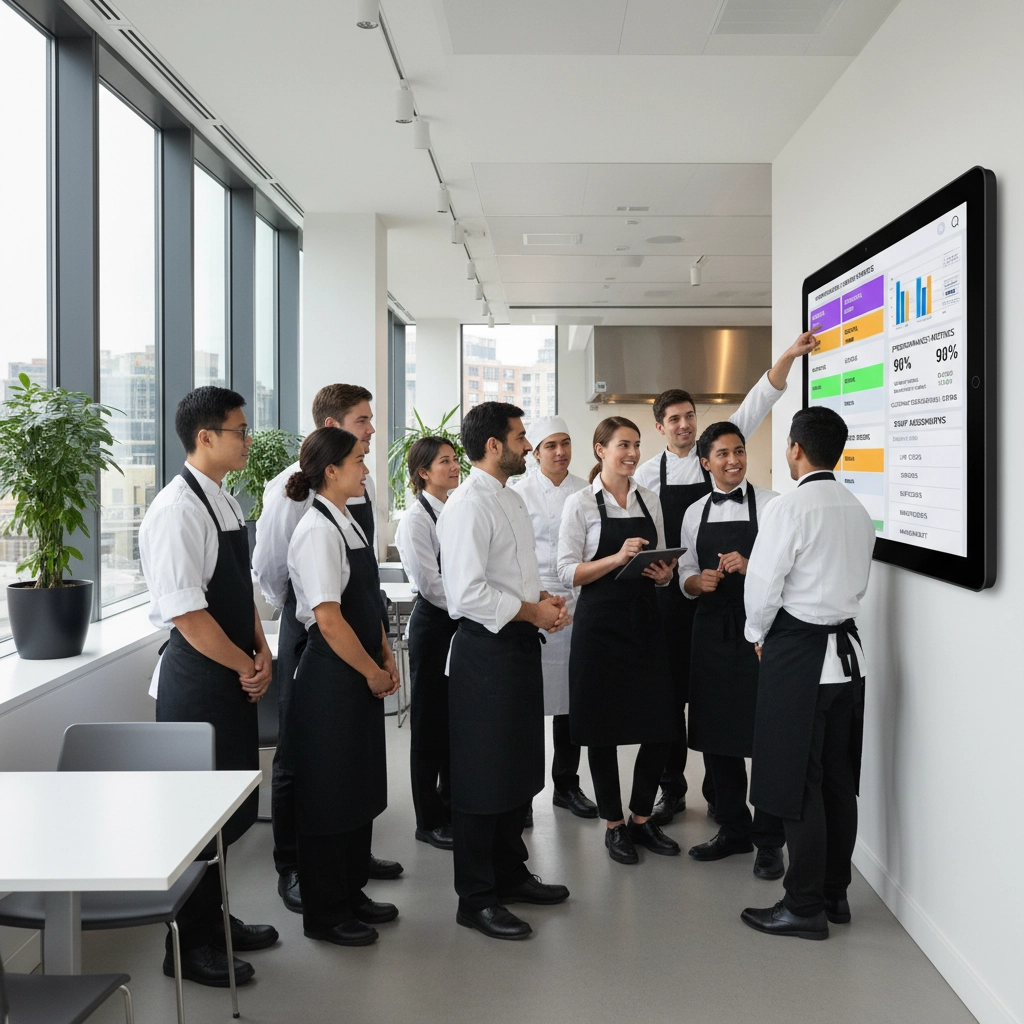
The restaurant operators winning in today's competitive landscape aren't the ones with the best instincts: they're the ones who combine experience with data-driven decisions that eliminate uncertainty from every choice.
Restaurant data has evolved from helpful background information into the primary driver of every successful operation. The question isn't whether you need analytics: it's whether you can afford to make another decision without them.
We've seen independent operators increase profits by 23% within six months of implementing basic restaurant analytics, while sophisticated multi-unit clients regularly achieve 30-40% improvements through advanced data strategies.
The transformation happens faster than most operators expect, and the competitive advantages compound month after month. Restaurant insights become the foundation for sustainable growth that survives economic challenges and market disruptions.
Keywords: restaurant analytics, restaurant data, data-driven decisions, restaurant KPIs, restaurant insights, menu engineering, labor management, restaurant operations, financial forecasting, customer analytics
Meta Description: Discover how restaurant data transforms business decisions across operations, marketing, labor, and financial management. Learn actionable analytics strategies for independent and multi-unit operators to boost profits by 25% or more.
Outbound Links:
- National Restaurant Association Research: https://restaurant.org/research/
- Toast Restaurant Management Platform: https://pos.toasttab.com/
- Restaurant Industry Analytics Report: https://www.mckinsey.com/industries/travel-logistics-and-infrastructure/our-insights/the-future-of-work-in-americas-restaurants


