
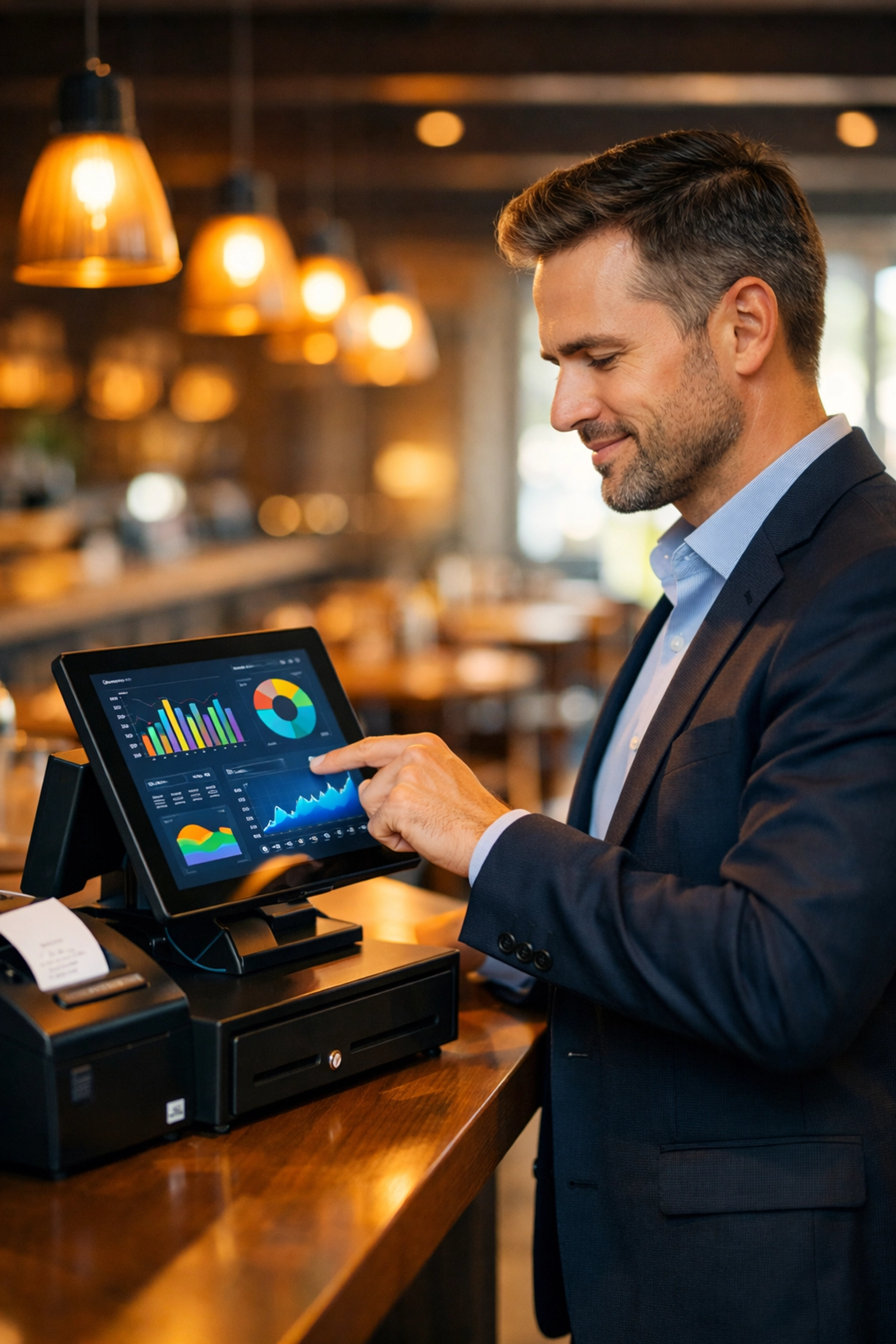
Toast isn't just a POS system anymore, it's become the operational backbone for restaurants that are serious about scaling without losing their minds. In 2026, while half the industry is still fumbling with clunky legacy systems and paper inventory sheets, Toast has quietly transformed into an AI-powered efficiency engine that's changing how operators make decisions, manage supply chains, and turn data into dollars.
We've spent decades working alongside restaurant operators, from greasy line cook shifts to director-level strategy sessions, and we can tell you this: the operators who win in 2026 are the ones who stop fighting technology and start letting it do the heavy lifting. Toast gets that. And they're building tools that actually solve real problems, not just digital versions of the same old headaches.
ToastIQ: The AI Assistant That Actually Gets Restaurant Operations
Let's talk about ToastIQ, Toast's conversational AI assistant that launched last year. Over half of Toast's locations adopted it within four months, and if you've ever tried to get restaurant operators to change literally anything about their workflow, you know that's basically a miracle.
Here's why it's working:
– Real-time decision support – Instead of waiting until next Tuesday's manager meeting to figure out why labor costs spiked last weekend, operators can ask ToastIQ right now and get actionable answers. Think of it like having a data analyst who never takes smoke breaks and doesn't need to be scheduled.
– Automated support workflows – Toast's AI is now handling the majority of customer support interactions without human intervention. That means faster answers for operators and fewer "hold please" moments when you're trying to figure out why the printer's acting possessed during Saturday dinner rush.
– Predictive inventory insights – The system learns your patterns. It knows you blow through fryer oil every Friday and that you somehow always run out of ranch dressing during March Madness. It starts flagging these things before you're sending a prep cook on an emergency Sysco run.
The roadmap for ToastIQ includes expanding into marketing automation, payroll management, and advanced inventory forecasting, basically all the stuff that keeps GMs up at night.
500+ New Features: Toast Isn't Standing Still
Toast released over 500 new product features in 2025. That's not a typo. While some POS companies are still figuring out how to make their handheld devices not crash every third order, Toast is iterating at breakneck speed.
The updates span everything from menu management tools to advertising capabilities, but here's what matters for operators trying to maximize revenue:
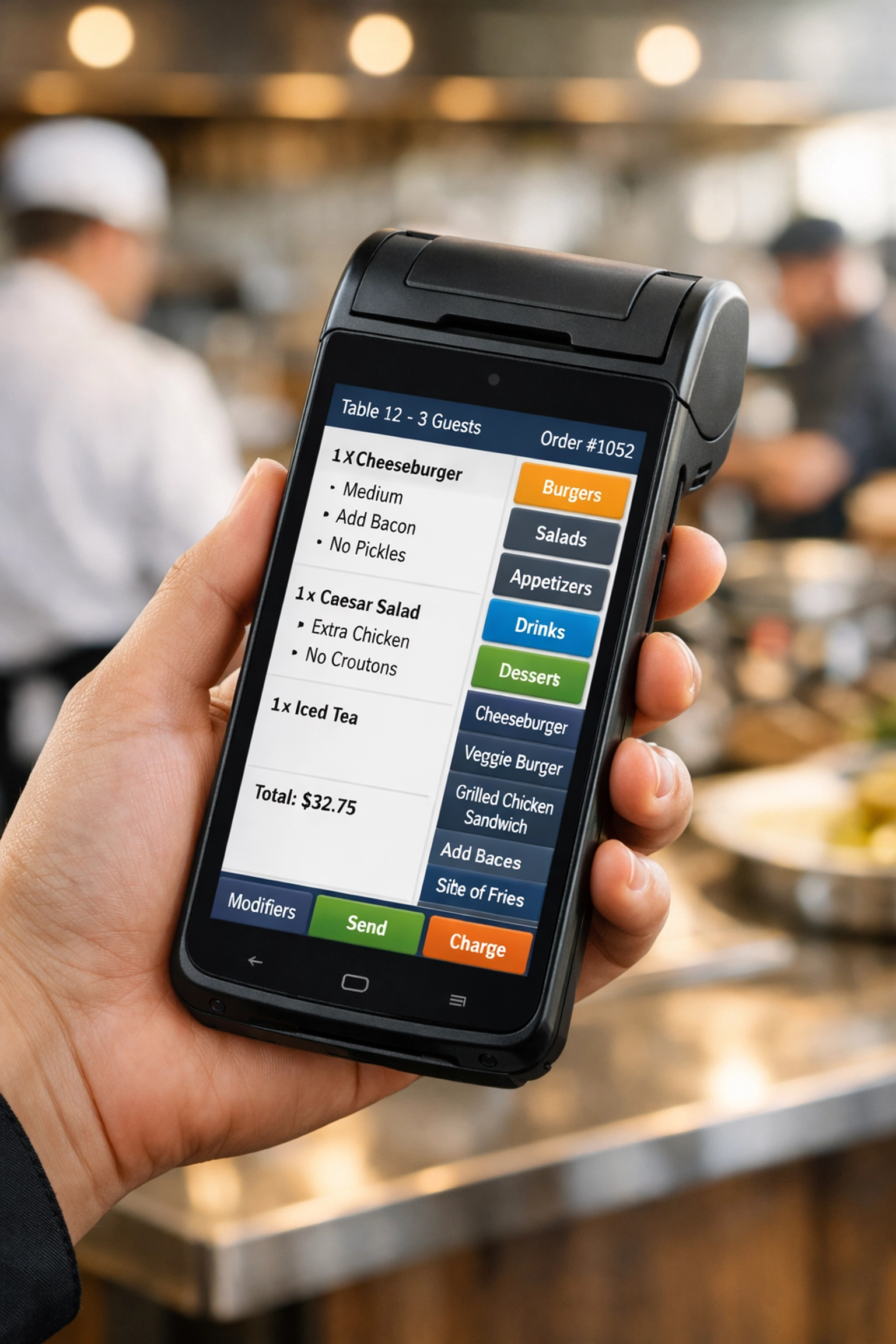
– Enhanced handheld functionality – Servers can modify orders, split checks, process payments, and handle complex modifiers without ever touching the main terminal. This shaves minutes off table turns during peak service, and those minutes add up to real revenue.
– Advanced menu engineering tools – You can now test menu changes, track performance by daypart, and identify your stars, plowhorses, puzzles, and dogs with scary precision. We've written before about menu engineering magic, and Toast's new tools make it easier than ever to execute those strategies.
– Integrated marketing automation – Toast can now help you build targeted campaigns based on guest behavior, purchase history, and frequency. It's the kind of stuff that used to require a full marketing team and a CRM system that costs more than your walk-in cooler.
The platform updates matter because technology that doesn't evolve becomes a liability. We've seen too many operators stuck with systems that worked great in 2018 but can't keep pace with 2026 guest expectations or operational complexity.
The Instacart Partnership: Solving the "Oh Crap, We're Out Of…" Problem
Here's a scenario every restaurant operator knows too well: It's 6:47 PM on a Saturday. You're slammed. Someone just checked the walk-in and you're out of lemons. Cue the panic, the angry guests who can't get their agua frescas, and the stressed manager trying to figure out who can make an emergency run while also expediting and dealing with a backed-up ticket rail.
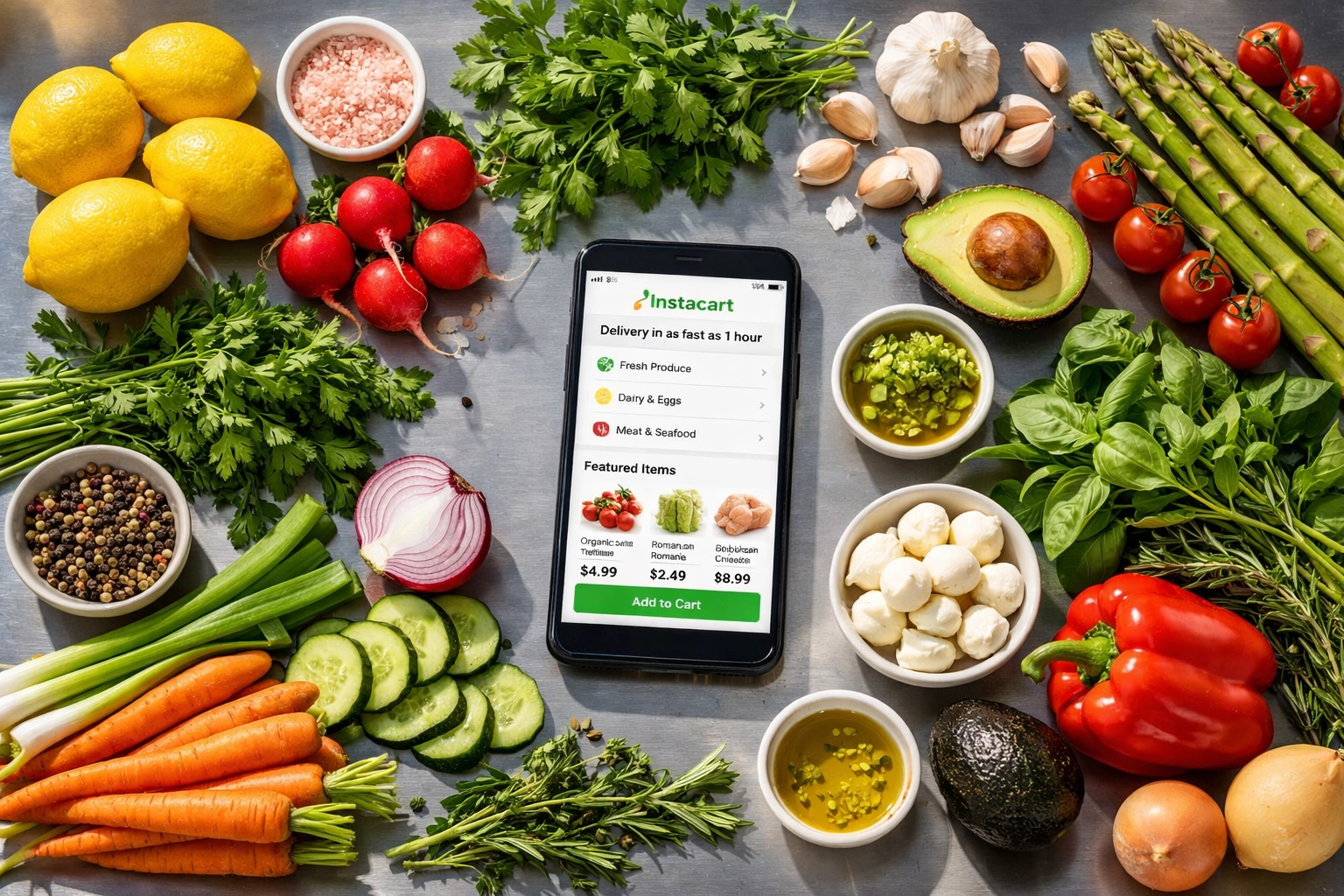
Toast's partnership with Instacart, announced in February 2026, directly addresses this chaos with just-in-time procurement solutions.
Here's how it works:
– Integrated emergency ordering – Operators can order essential supplies through Instacart Business directly from their Toast dashboard. No separate login, no hunting for account numbers, no waiting until Monday to call your rep.
– Predictive alerts – Based on your historical usage and current inventory levels, the system can flag potential shortages before they happen. It's like having a psychic sous chef who actually knows what they're talking about.
– Omnichannel inventory syncing – For Toast's retail customers (yes, they've expanded into grocery and specialty food), the Instacart integration creates a seamless bridge between in-store and online inventory. Your system knows what you have, what you're selling through each channel, and what needs to be reordered.
The pilot programs started early this year, with full U.S. rollout coming soon. This is the kind of operational efficiency improvement that doesn't just save money: it saves the Saturday night service.
How Toast Enables the Turnaround Strategies We Talk About
Earlier today, we published our regular strategic content about turning around struggling restaurants. One of the core principles we always emphasize is speed: when you're fixing a broken operation, you need real-time data to make fast decisions.
This is exactly where restaurant tech becomes the difference between success and bankruptcy.
Toast's platform gives turnaround teams the visibility they need:
– Instant P&L insights – Instead of waiting for your accountant to send month-end reports, you can see real-time food cost percentages, labor efficiency, and revenue trends. When we're executing turnaround strategies, this kind of speed makes or breaks the timeline.
– Labor optimization – Toast's scheduling tools integrate with sales forecasting, so you're not over-staffing dead Tuesday lunches or under-staffing Friday dinner rushes. We've seen restaurants cut labor costs by 3-5 percentage points just by scheduling smarter.
– Waste tracking and COGS management – The platform helps identify where food cost is bleeding. Maybe your night crew is over-portioning. Maybe your prep team isn't rotating stock properly. Toast's data makes these problems visible instead of hiding in your shrinking margins.
When we work with restaurant owners on operations optimization, tech integration is always part of the conversation. You can't fix what you can't measure, and you can't measure what you can't track in real-time.
Beyond SMBs: Toast Goes Enterprise
One of the most interesting developments in 2026 is Toast's expansion into enterprise chains. They've signed agreements with major brands like Applebee's and Firehouse Subs, and they're expanding internationally into markets like Australia.
This matters because it signals that Toast isn't just a scrappy startup for independent restaurants anymore: it's a legitimate enterprise platform that can scale to multi-unit operations with complex needs.
For independent operators, this is actually good news: The investment Toast is making in enterprise features trickles down to better tools for everyone. The supply chain integrations, advanced analytics, and AI capabilities built for chain restaurants become available to single-location operators at a fraction of the cost.
What This Means For Your Restaurant
Look, we've worked every position in restaurants: from busser to brewer to marketing director: and here's what we know: Technology alone won't save a bad concept, but it will absolutely amplify a good one.
Toast in 2026 represents something bigger than a POS system. It's an operational philosophy that says:
– Data-driven decisions beat gut feelings (even if your gut has 20 years of experience)
– Automation should handle the repetitive stuff so humans can focus on hospitality
– Integration matters more than features (a hundred disconnected tools is worse than five that talk to each other)
– Speed of insight determines speed of improvement
If you're still running a restaurant on a legacy system that requires three different logins and a prayer to St. Anthony every time you need a sales report, you're competing with one hand tied behind your back.
The restaurants that are scaling, improving margins, and building real enterprise value in 2026 are the ones that embrace tools like Toast and use them to create competitive advantages in operations, guest experience, and decision-making speed.
The Bottom Line
Toast isn't redefining restaurant efficiency because they built a better cash register. They're redefining it because they're solving the real operational problems that keep restaurant operators up at night: cash flow visibility, labor optimization, supply chain chaos, and the crushing administrative burden of running a multi-million-dollar business with razor-thin margins.
Whether you're a single-location independent or a growing chain, the question isn't whether to adopt modern restaurant tech: it's how fast you can implement it before your competition does.
Visit us to learn more about maximizing your revenue, book a call to start making more money. We'll help you assess your current tech stack, identify operational inefficiencies, and build a growth strategy that leverages tools like Toast to drive real bottom-line results.
Target Keywords: restaurant tech, POS systems, restaurant growth, restaurant operations, Toast
Meta Description: Our Industry Spotlight series kicks off with a look at Toast, the tech giant helping restaurant owners scale with data.
Sources:


