
December 2025 has been a wild ride for the restaurant industry: and we're not just talking about the usual holiday rush. From aggressive value competition that's reshaping entire segments to a literal penny shortage forcing operators to rethink their payment systems, this month has delivered more plot twists than a soap opera.
As restaurant finance advisors who've seen everything from boom cycles to bust periods, we know that successful operators are the ones who adapt quickly to market shifts. Let's break down what's happening right now and, more importantly, what you can do about it.
The Great Value Wars of 2025
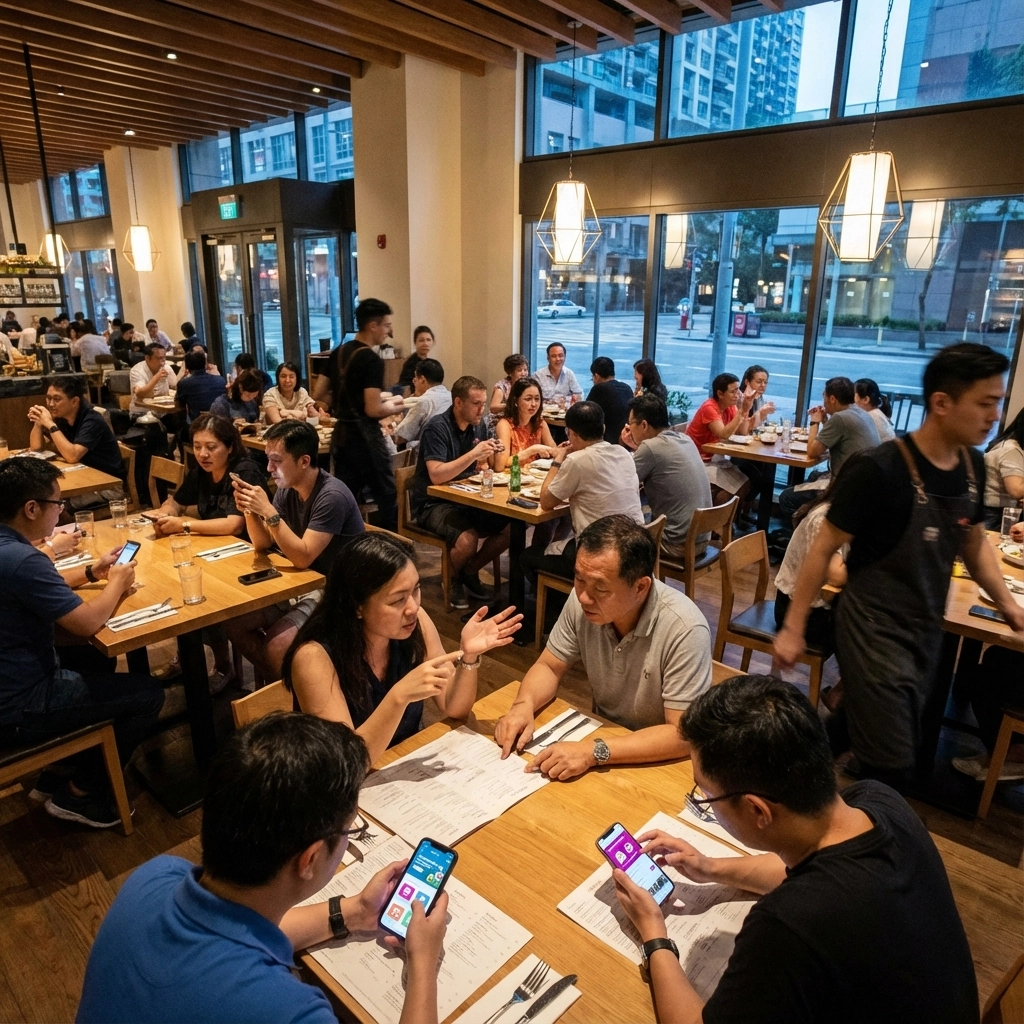
Price-sensitive consumers have fundamentally transformed the dining landscape this year. With household budgets stretched tighter than pizza dough, diners are flocking to restaurants that offer clear value while expensive concepts watch their traffic evaporate faster than steam from a hot plate.
The numbers tell the story: Yelp data shows searches for budget dining options jumped 21% this year, while "meal deals" searches exploded by 117%. Even more telling? Searches for "value meal" rose 22%: proving that customers aren't just looking for cheap food; they want to feel smart about their spending.
This competition has created what industry experts call "pricing convergence": essentially, the $10-12 price range has become a battlefield where quick-casual, fast-casual, and even some casual dining concepts are duking it out. McDonald's rolled out dynamic pricing, Chipotle doubled down on bundled promotions, and even premium chains started offering stripped-down value options.
The traffic impact has been measurable but not catastrophic. QSR traffic declined 2.9% year-over-year in November 2025, but here's the interesting part: average checks rose 3.8% and net sales still grew 0.9%. Translation? When customers do choose to dine out, they're spending more per visit: they're just being more selective about when and where.
Menu Evolution: When Less Really Is More
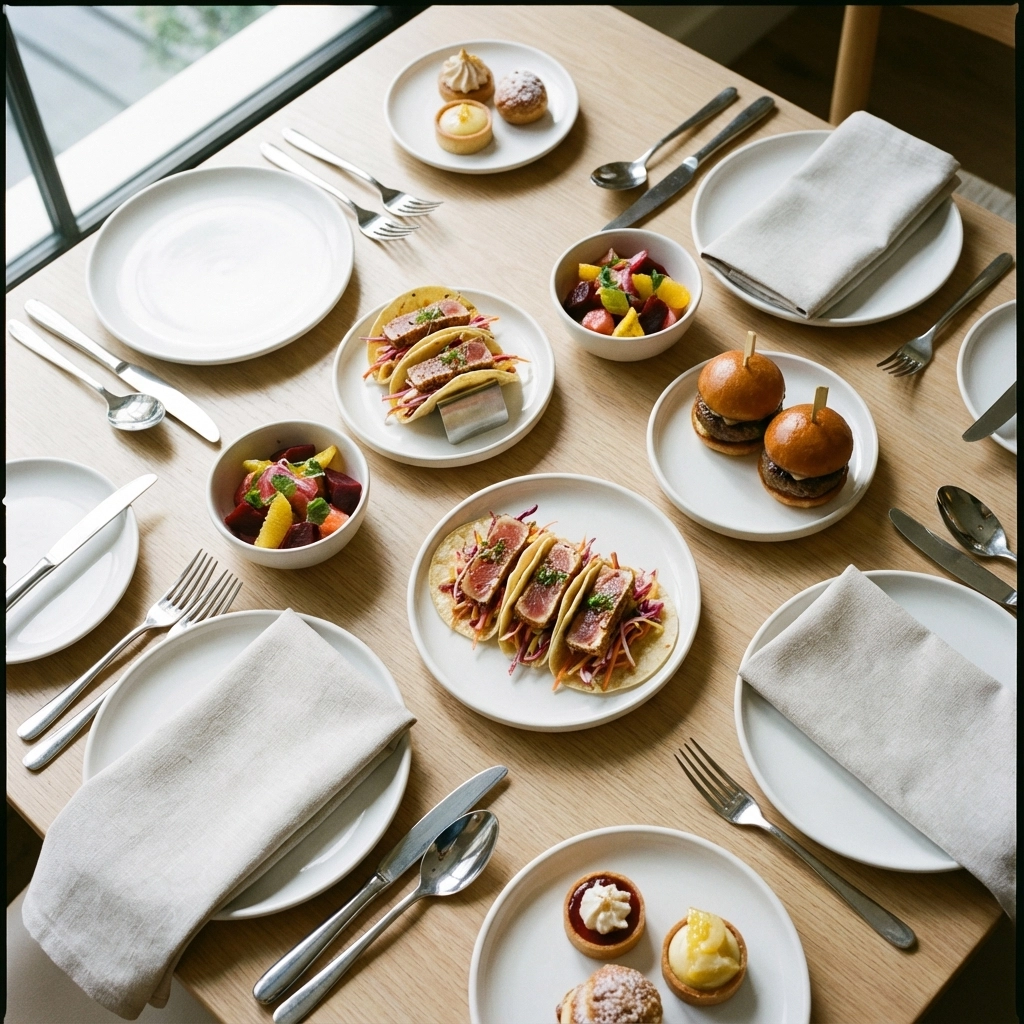
"Bites" emerged as the breakout menu category of 2025, and it's not just a trendy name change. This shift reflects two major forces reshaping how Americans eat: the surge in snacking culture and the increasing adoption of GLP-1 weight-loss medications that literally shrink appetites.
We've watched restaurant after restaurant adapt their menus to reflect these changing consumption patterns. Instead of fighting it, smart operators are embracing it. Smaller portions mean better food costs, faster table turns, and the ability to offer more variety without overwhelming kitchen operations.
The culinary trends lean heavily toward comfort and sustainability: think nostalgic comfort foods with cultural storytelling, farm-to-table transparency that actually means something, and waste-reduction initiatives that customers can see and appreciate. Chicken, Mexican, and coffee concepts have shown particularly strong performance, proving that flavor-forward, affordable options still resonate.
Menu engineering has become more crucial than ever. We're seeing successful operators focus on items that deliver perceived value while maintaining healthy margins. It's not about cutting corners: it's about strategic simplification that actually improves the customer experience.
The Great Penny Predicament
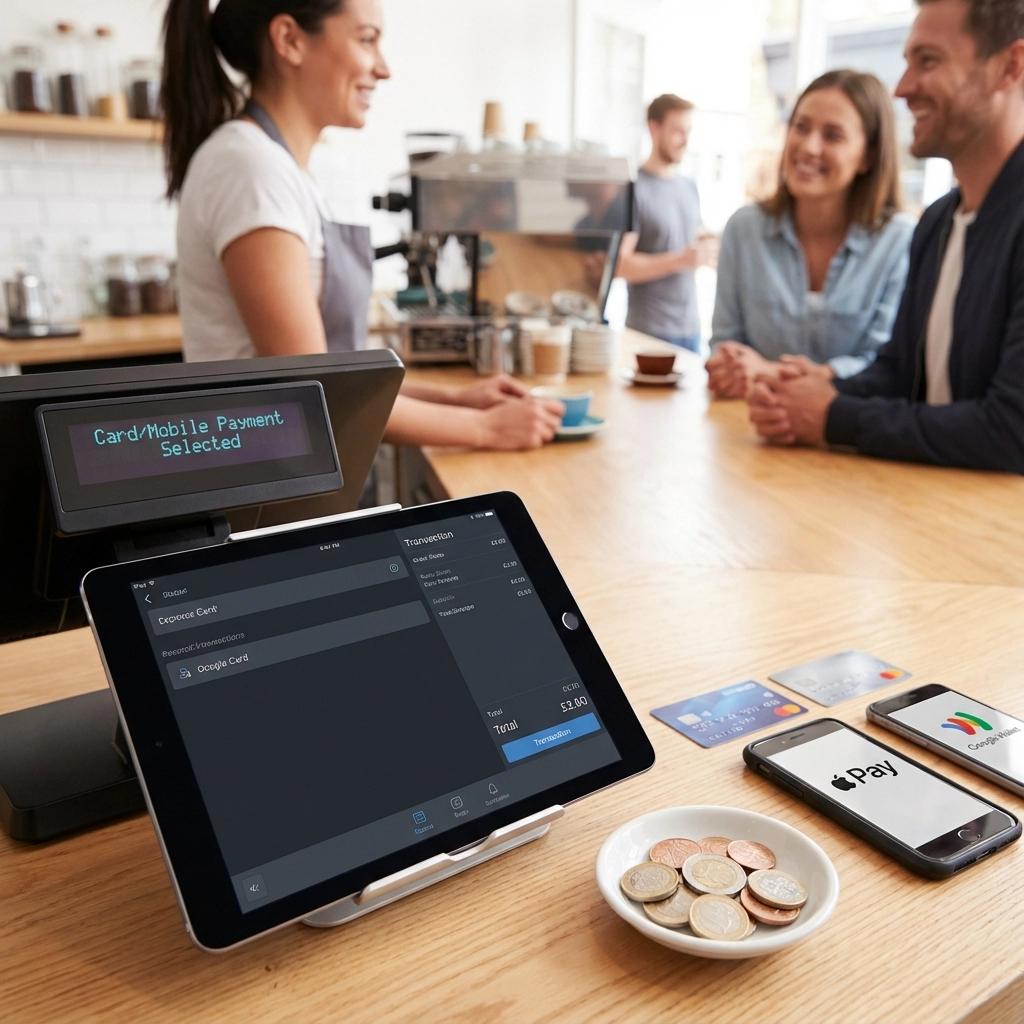
Here's something nobody saw coming: a genuine penny shortage that's forcing restaurants to completely rethink their payment processes. According to industry reports, the shortage has become so severe that the restaurant industry is demanding federal intervention to address what's becoming a legitimate operational challenge.
For restaurants that still handle significant cash transactions: think food trucks, quick-service locations in certain demographics, and establishments in tourist areas: this shortage creates daily headaches. Customers paying with cash often can't receive exact change, leading to awkward conversations about rounding up to the nearest nickel or managing store credit for penny differences.
Smart operators are turning this challenge into an opportunity. Some are encouraging customers to "round up for charity," converting the penny shortage into a customer engagement tool that supports local causes. Others are accelerating their transition to digital payments, using the penny shortage as a gentle nudge to move customers toward more efficient payment methods.
The shortage has also sparked creative pricing strategies. We're seeing more restaurants adopt pricing that eliminates the need for pennies altogether: $4.95 becomes $5.00, $12.99 becomes $13.00. It seems small, but these changes can actually improve perceived value while simplifying operations.
Technology Investment Accelerates
Despite economic headwinds, restaurant technology investment has actually accelerated in 2025. Operators are betting big on third-party delivery optimization, AI-powered demand forecasting, and automation tools that can boost revenue while reducing labor costs.
The most successful implementations we're seeing focus on customer experience enhancement rather than just cost cutting. Data analytics tools that help predict traffic patterns and optimize staffing levels are delivering real ROI, while AI-powered inventory management is helping restaurants reduce waste without compromising quality.
Subscription dining models are gaining serious traction. Panera's Unlimited Sips Club led the charge, but we're seeing creative adaptations across all segments. These models provide predictable revenue streams while building customer loyalty: exactly what operators need in an uncertain economy.
What Restaurant Owners Should Do Right Now
First, audit your value proposition ruthlessly. If you can't clearly articulate why a customer should choose you over the competition in terms of value (not just price), you need to fix that immediately. This might mean adjusting portion sizes, refining your menu mix, or completely rethinking your pricing strategy.
Second, embrace menu simplification strategically. Fewer items done exceptionally well will outperform a bloated menu every time. Focus on items that deliver high perceived value while maintaining healthy margins. And seriously consider adding a "bites" or small plates section: it's not just a trend; it's a fundamental shift in consumption patterns.
Third, accelerate your digital transformation. Whether it's payment processing, inventory management, or customer engagement, technology investments that improve efficiency and customer experience will pay dividends throughout 2026 and beyond.
Finally, consider this an opportunity to strengthen your financial foundation. Market disruptions create opportunities for well-positioned operators to gain market share while competitors struggle. Whether you're looking to expand, renovate, or simply improve cash flow, now might be the perfect time to explore creative financing solutions.
Industry Resilience Remains Strong
Despite all the challenges, the U.S. restaurant industry is projected to generate $1.5 trillion in sales in 2025: a 4% increase from 2024. The industry is also adding 200,000 net new jobs, reaching a workforce of 15.9 million. These aren't the numbers of a struggling industry; they're the numbers of an industry that's adapting and evolving.
Domestic tourism contributed nearly 24,000 foodservice jobs this year, providing crucial support for location-dependent establishments. The lesson? Restaurants that understand their customer base and adapt accordingly continue to thrive.
The operators who emerge stronger from this period will be those who view these challenges as opportunities for innovation rather than obstacles to overcome. Whether it's reimagining value propositions, embracing new menu formats, or turning payment processing challenges into customer engagement opportunities, success belongs to those who adapt quickly and strategically.
As we head into 2026, the restaurant landscape will likely look different than it did 12 months ago. But for operators who understand their numbers, know their customers, and aren't afraid to evolve, the opportunities have never been better.
SEO Keywords: restaurant consulting, restaurant investment, restaurant new business, restaurant growth, find money your restaurants, cost reduction strategies
Meta Description: December 2025 has been a wild ride for US restaurants: value wars, menu shrinkage, inflation-driven cost struggles, and a penny shortage. Here's what owners need to know (and what to do next).
Outbound Links:


