
The restaurant industry is shifting faster than a line cook during dinner rush. As we head into 2026, smart operators aren't just watching trends: they're positioning themselves ahead of the curve to capture opportunities their competitors will miss.
Having worked every position from busser to marketing director, we've seen how quickly the industry can pivot. The restaurants thriving in 2026 won't be the ones playing catch-up; they'll be the ones who spotted these five critical trends early and built their strategies around them.
1. Value Engineering Becomes Your Secret Weapon
The affordability crisis isn't going away: it's your new competitive reality. While Cracker Barrel struggles with declining traffic and Chick-fil-A operators voice concerns about profitability, the winners are those who've mastered the art of value engineering without sacrificing quality.
This isn't about slashing prices and hoping for the best. Smart operators are redesigning their entire cost structure:
– Menu engineering with surgical precision – We're seeing successful restaurants rebuild their core offerings around ingredients that deliver maximum perceived value while maintaining healthy margins
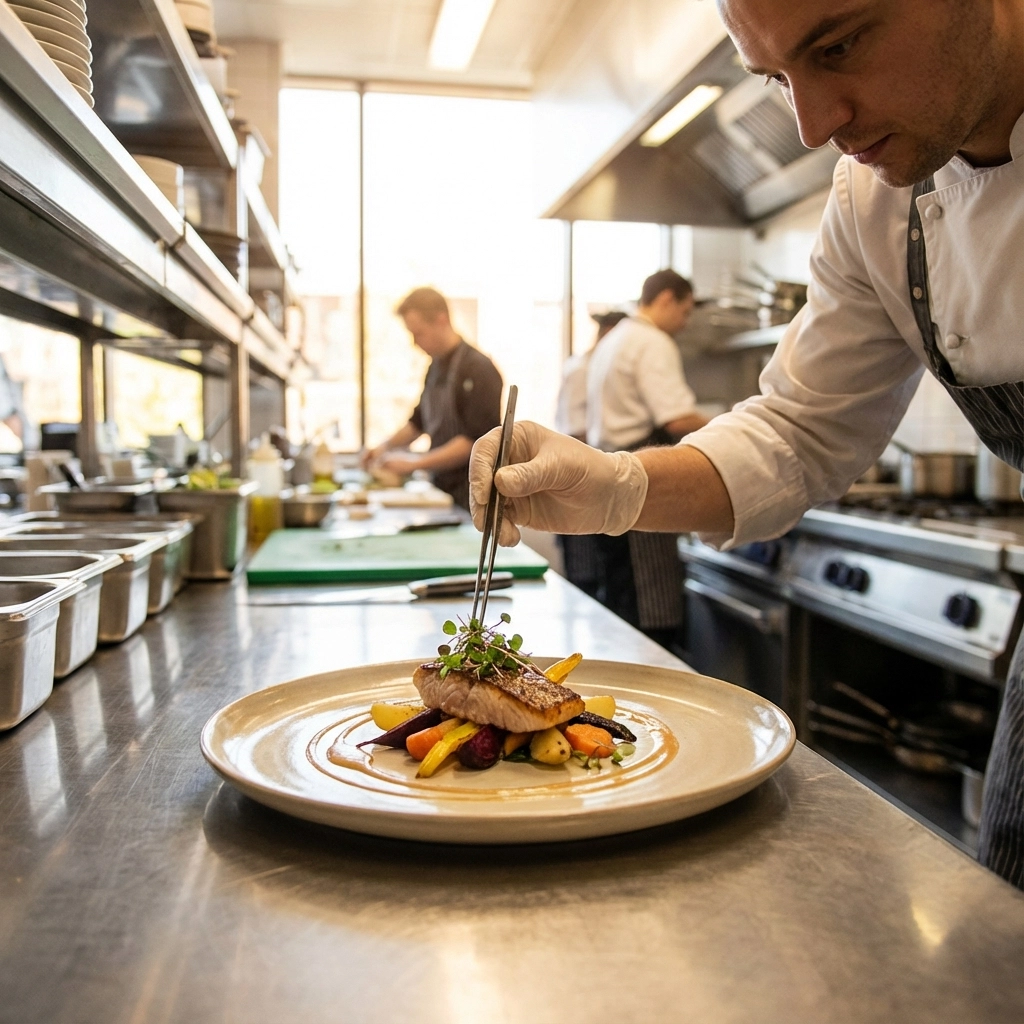
– Portion optimization strategies – Rather than cutting portion sizes, leading operators are restructuring plates to make smaller portions feel more satisfying through plating techniques and complementary sides
– Strategic price anchoring – Premium items that make your everyday offerings appear more reasonable, even when margins remain strong
The key insight? Consumers will pay for value, but they need to feel smart about their spending. Chipotle's continued expansion success proves that perceived value trumps low prices every time.
2. Labor Costs Will Make or Break Your Business
Labor shortages aren't a temporary inconvenience: they're the new operating environment. With wages climbing and available workers shrinking, the restaurants surviving 2026 are those who've fundamentally reimagined how work gets done.
We're seeing three winning approaches emerge:
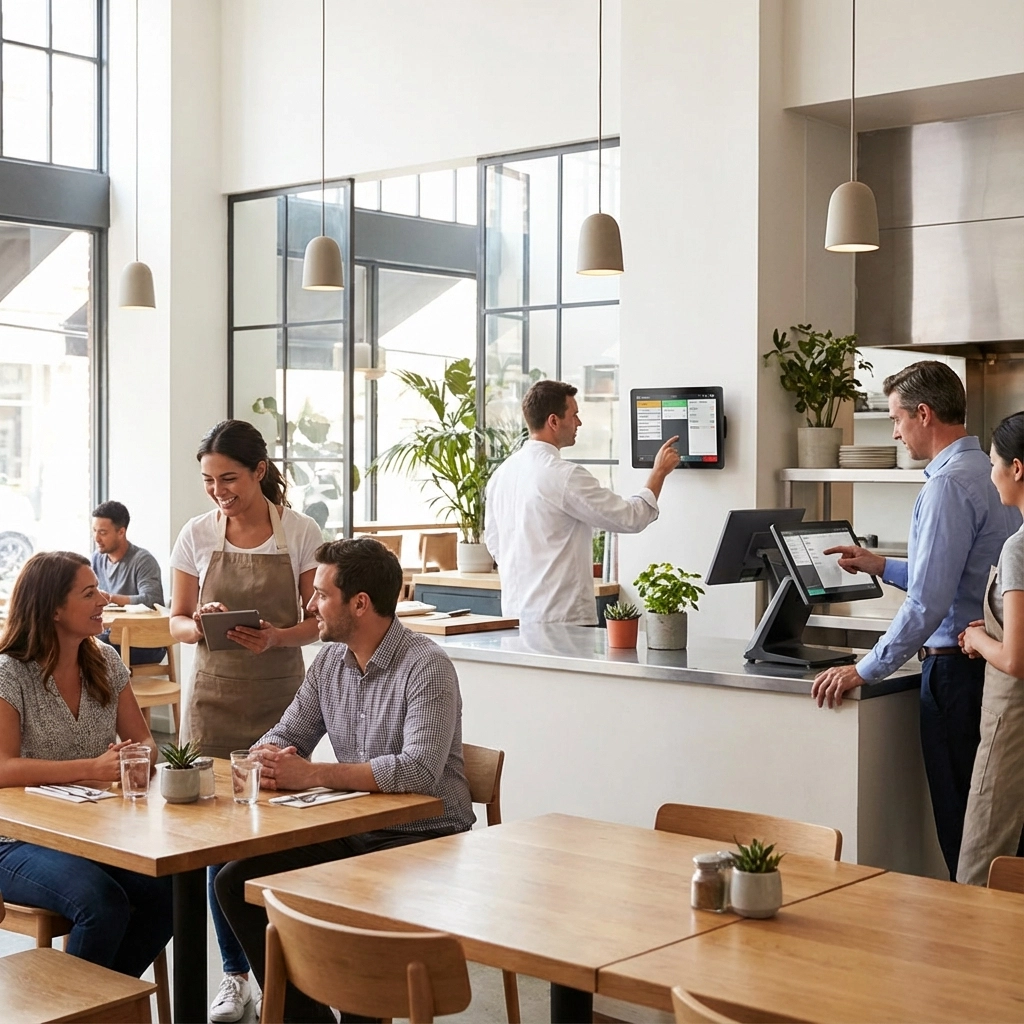
– Technology integration that actually works – Not flashy gadgets, but practical solutions like automated inventory systems, AI-powered scheduling that predicts busy periods, and kitchen display systems that eliminate paper tickets and reduce errors
– Cross-training becomes mandatory – Every team member needs multiple skills to maximize scheduling flexibility and reduce dependency on specific positions
– Retention strategies that go beyond wages – Flexible scheduling, clear advancement paths, and creating a culture where people actually want to work
The brutal truth? Restaurants treating labor costs as just another line item to minimize are setting themselves up for failure. The winners are investing in their teams as strategic assets.
3. Solo Dining Demand Creates New Revenue Streams
The solo dining trend isn't just changing who eats out: it's reshaping how restaurants make money. With single-person households growing and remote work normalizing solo meals, smart operators are capturing this underserved market.
Here's what we're seeing work:
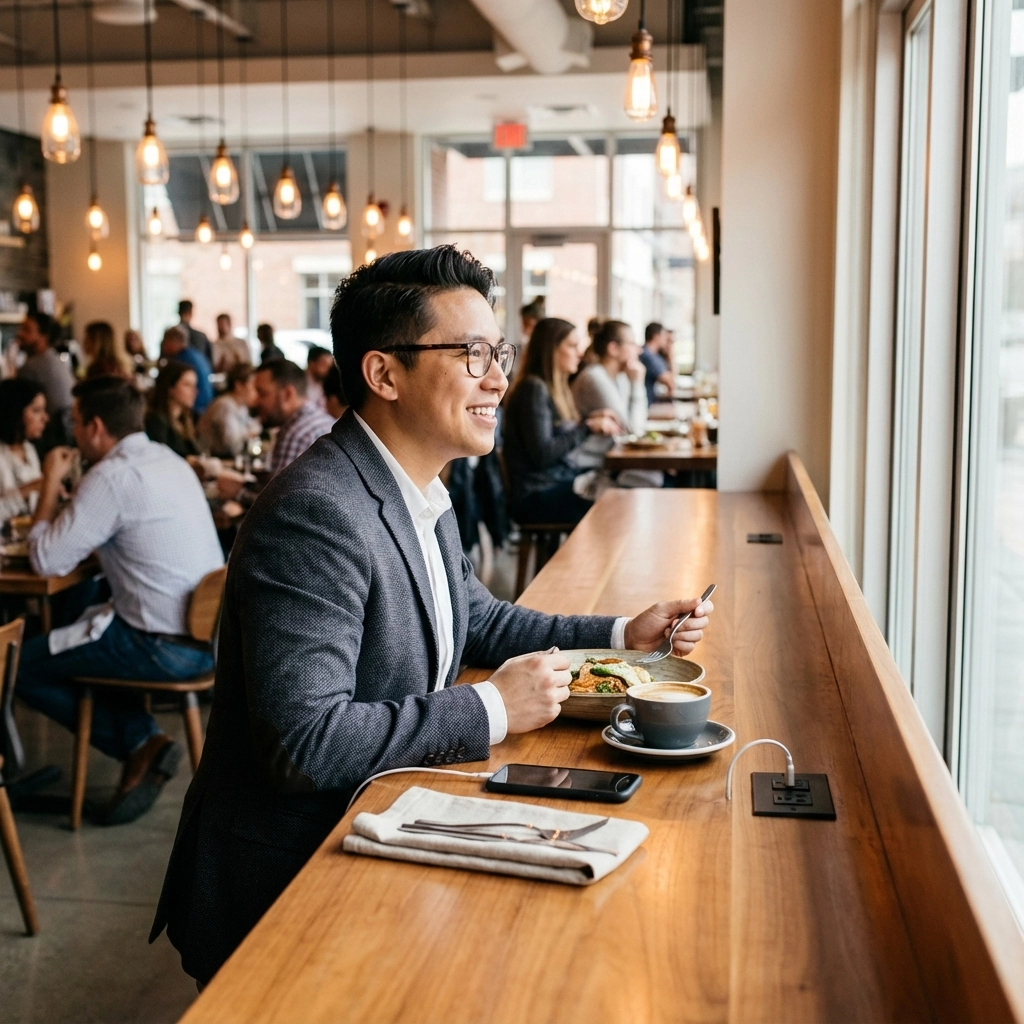
– Counter seating optimization – Converting dead space into profitable single-seat areas that turn faster than traditional tables
– Solo-friendly menu design – Smaller portions and shareable appetizers that don't make solo diners feel awkward or overpay
– Technology that enhances the solo experience – QR code ordering, entertainment options, and mobile payment systems that make dining alone comfortable
The revenue opportunity is massive. Solo diners often have higher per-person spending power and aren't constrained by group decision-making. They're also more likely to become regular customers when the experience is tailored to their needs.
4. Ghost Kitchens and Delivery-First Models Mature
The delivery wars are over: now it's about smart integration. While the pandemic-era rush into ghost kitchens has cooled, the operators succeeding in 2026 are those who've learned to use delivery strategically rather than as a desperate revenue grab.
The winning strategies we're tracking:
– Hybrid models that maximize kitchen utilization – Using existing kitchen space for delivery-only brands during off-peak hours to boost revenue per square foot
– Menu optimization for delivery – Items that travel well and maintain quality, with packaging that enhances rather than compromises the eating experience
– Data-driven market testing – Using delivery platforms as low-risk ways to test new concepts and menu items before committing to full restaurant rollouts
The key insight? Delivery isn't replacing dine-in: it's becoming another profit center for operators who understand how to make it work with their existing operations.
5. Health-Conscious Customization Drives Premium Pricing
The GLP-1 medication trend and increasing health consciousness are creating demand for transparent, customizable dining options. This isn't just about adding a few healthy options: it's about building flexibility into your entire menu structure.
Smart operators are capitalizing on this trend through:
– Ingredient transparency that builds trust – Clear labeling of calories, protein content, and allergen information that helps customers make confident choices
– Customizable protein and portion options – Allowing customers to adjust meals for their dietary needs while maintaining operational efficiency
– Premium positioning for clean ingredients – Using higher-quality ingredients as a competitive differentiator that justifies better margins
The financial opportunity is significant. Customers will pay premium prices for meals that align with their health goals and dietary restrictions. The challenge is executing this without creating operational complexity that kills profitability.
The Strategic Advantage: Acting Now
These trends aren't predictions: they're already happening. The restaurants that will dominate 2026 are making these adjustments now, while their competitors are still waiting to see what happens.
At Restaurant Finance Advisors, we work with operators who understand that staying ahead of industry trends isn't just about survival: it's about finding the hidden revenue streams that create lasting competitive advantages.
The question isn't whether these trends will impact your business. The question is whether you'll be positioned to capitalize on them or left scrambling to catch up.
Ready to turn these trends into profit opportunities? We help restaurant owners identify and capture the revenue streams they never knew existed. Because in an industry where margins matter and competition is fierce, the operators who act first are the ones who win.
Meta Description: Discover the top 5 restaurant industry trends for 2026 that smart owners are already capitalizing on. From value engineering to solo dining revenue streams, learn how to position your restaurant ahead of the competition.
Keywords: restaurant consulting, restaurant investment, restaurant new business, restaurant growth, find money your restaurants, restaurant trends 2026, restaurant industry analysis, restaurant profitability, restaurant technology, solo dining trend, ghost kitchen strategy, restaurant labor costs, value engineering restaurants
Outbound Links:


