

You know what really gets me? Restaurant bathrooms. I mean, here we are in 2026, we can order food from our phones, have robots flip our burgers, and somehow track every single french fry from farm to fryer, but we still can't figure out how to keep a bathroom decent for the people who are literally paying to keep our lights on.
I've worked in this business for decades – busser, server, cook, manager, even spent time as a brewery director (don't ask me how that happened). And in all that time, I've noticed something peculiar: we'll spend three hours debating whether the garnish should go on the left or right side of the plate, but nobody wants to talk about why the toilet paper dispenser has been empty since the Clinton administration.
The Great Restaurant Bathroom Conspiracy
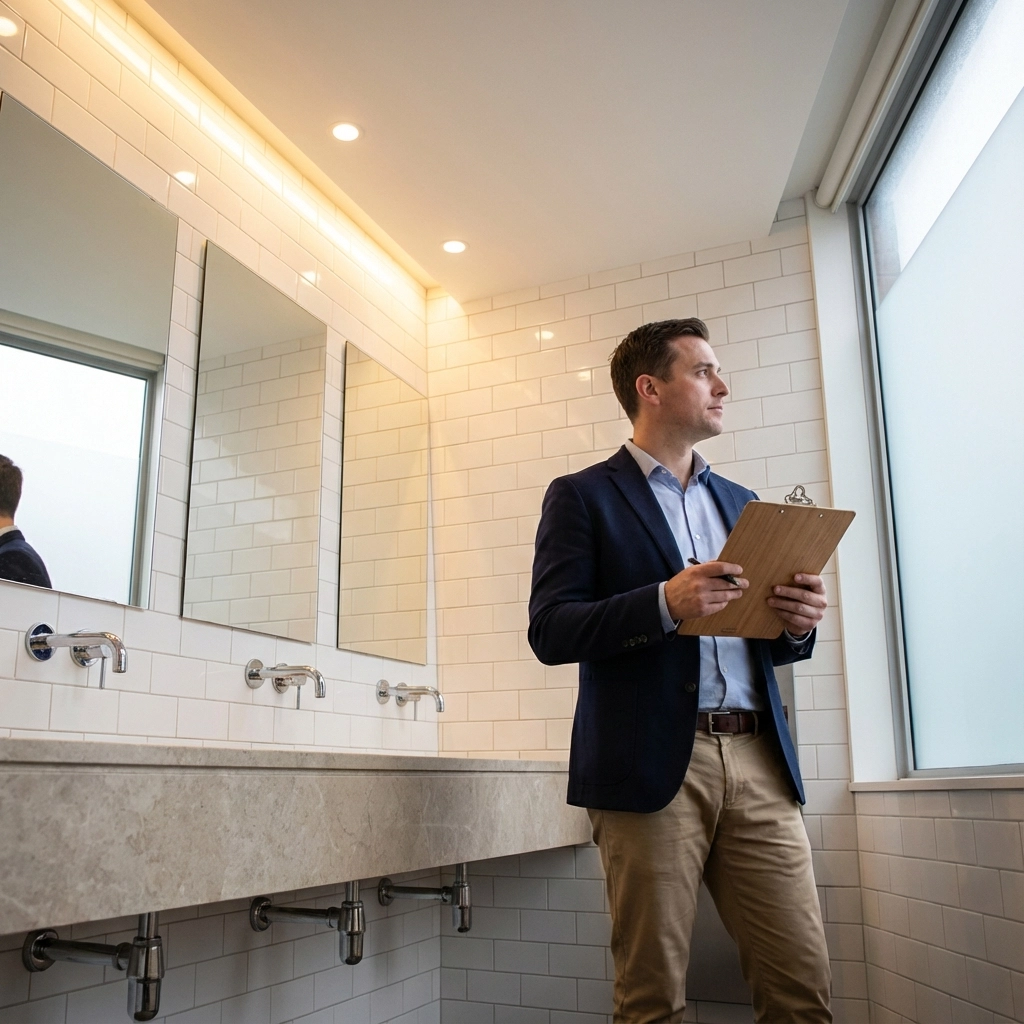
There's this unspoken rule in the restaurant industry that bathrooms are somehow separate from the dining experience. Like they exist in some parallel universe where normal business logic doesn't apply. We'll train servers for weeks on the difference between "medium" and "medium-well," but hand them a plunger and suddenly they're acting like you've asked them to perform heart surgery.
I was having lunch with a fellow restaurant consultant last month – nice place, good food, the works. But when I excused myself to use the facilities, I discovered what I can only describe as a crime scene. No soap, one working light bulb, and a smell that could strip paint. When I came back, my colleague asked how the food was. "Great," I said, "but I'm never eating here again."
That's when it hit me: 94% of customers won't return to a restaurant with dirty restrooms. Think about that for a minute. You can have the best chef in town, the most charming servers, and a wine list that would make a sommelier weep with joy, but if your bathroom looks like it belongs in a gas station from 1987, you've just kissed goodbye to nearly every customer who walks through your door.
The Economics of Ignoring the Obvious
Here's what really bothers me about this whole situation: it's not just about cleanliness – it's about money. Pure and simple. When 60% of customers leave immediately after encountering a dirty restroom, that's not a customer service problem, that's a revenue problem. That's money walking out the door faster than you can say "check, please."
And don't even get me started on the reviews. 89% of Americans would avoid restaurants based solely on negative restroom reviews. We live in an age where someone can destroy your business with three words: "Bathroom was gross." I've seen restaurants with James Beard Award-winning chefs get one-star reviews because someone couldn't find hand soap.

The math is simple, but somehow we keep ignoring it. A dirty restroom cuts customer retention by about 20%. Let's say you've got a restaurant that serves 200 customers a day, average check of $25. That's $5,000 in daily revenue. A 20% drop means you're losing $1,000 a day. Over a year, that's $365,000. For what? Because nobody wants to check if there's toilet paper in the stall?
The Psychology of Bathroom Judgment
But here's the real kicker – and this is where it gets truly ridiculous. 88% of people who encounter a dirty restroom believe it reflects poorly on the sanitation of the entire facility, including the kitchen. So you can have the most spotless kitchen in the state, follow every health code to the letter, and maintain food safety standards that would make the FDA weep with pride, but if your bathroom mirror has water spots, customers think your cooks are preparing food with dirty hands.
It's completely irrational, but that's human nature for you. People make these mental leaps all the time. Dirty bathroom equals dirty kitchen equals food poisoning equals never coming back and telling everyone they know to avoid your place like the plague.
I remember working as a manager at this family restaurant – nothing fancy, just good honest food. We had this one server who was obsessed with the bathroom. She'd check it every hour, clean it herself if she had to. The other staff thought she was crazy. But you know what? Our Yelp reviews always mentioned how clean our facilities were, and we had the highest return customer rate in the area. Coincidence? I think not.
The Legal Reality Nobody Wants to Face
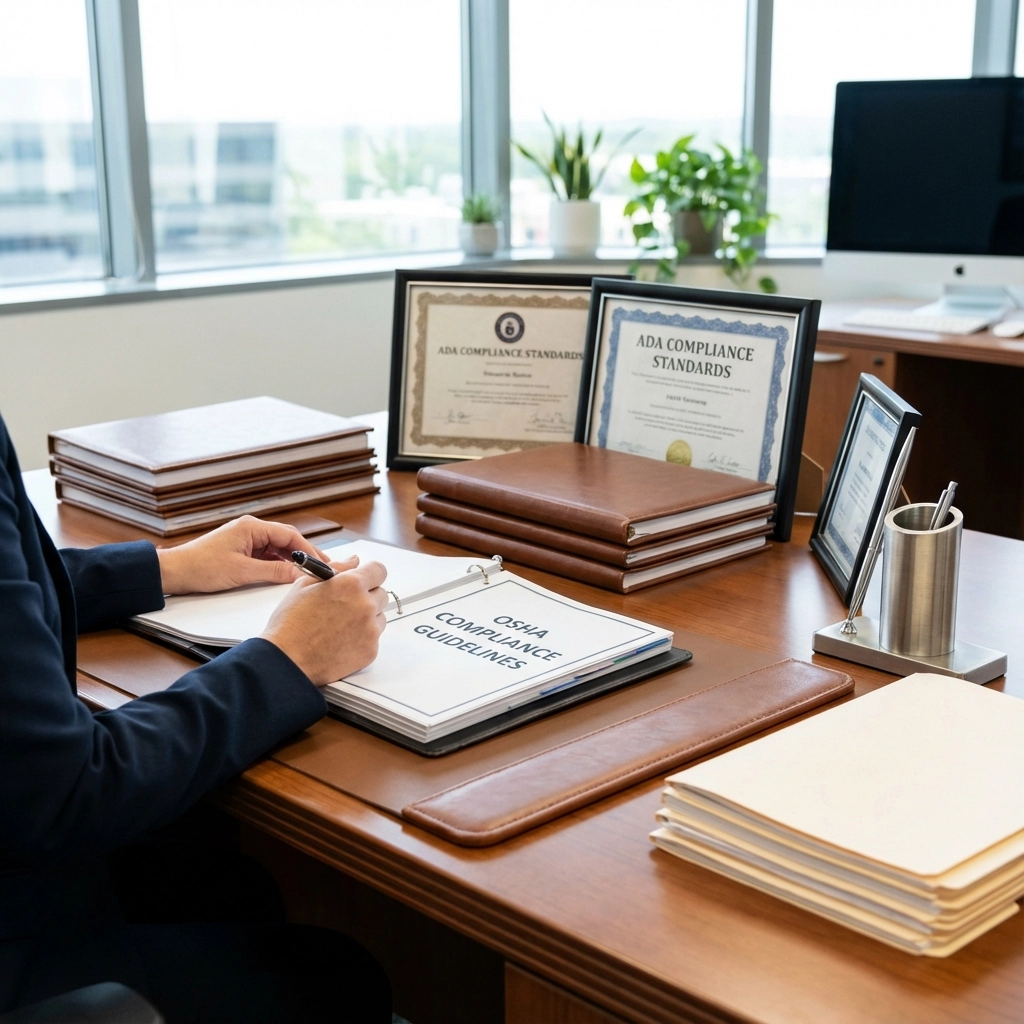
And then there's the legal stuff that keeps me up at night. OSHA doesn't mess around when it comes to restroom requirements. They want hot and cold running water, soap, and proper hand-drying facilities. Miss any of these, and you're looking at fines, warnings, maybe even temporary closure. The ADA has their own set of rules about accessibility that could shut you down faster than a health inspector finding mice in the walk-in.
I've seen restaurants get slapped with lawsuits because someone slipped on a wet floor caused by a leaky toilet. One lawsuit can cost more than maintaining clean bathrooms for a decade. But do we learn? Of course not. We just keep rolling the dice and hoping nobody notices the puddle by the urinal.
The Success Stories We Should Be Copying
You want to know who gets it right? Chick-fil-A. Love them or hate them, their bathrooms are consistently spotless. They train their staff specifically on restroom maintenance, and it shows in their customer loyalty numbers. Marriott hotels do the same thing – they understand that a clean bathroom is part of the overall brand experience.
Meanwhile, McDonald's has faced multiple lawsuits and negative publicity campaigns specifically about their restroom conditions. These are billion-dollar companies, and they're getting beaten up over toilet cleanliness. If it matters to them, maybe it should matter to us.
The Simple Solutions We Keep Ignoring
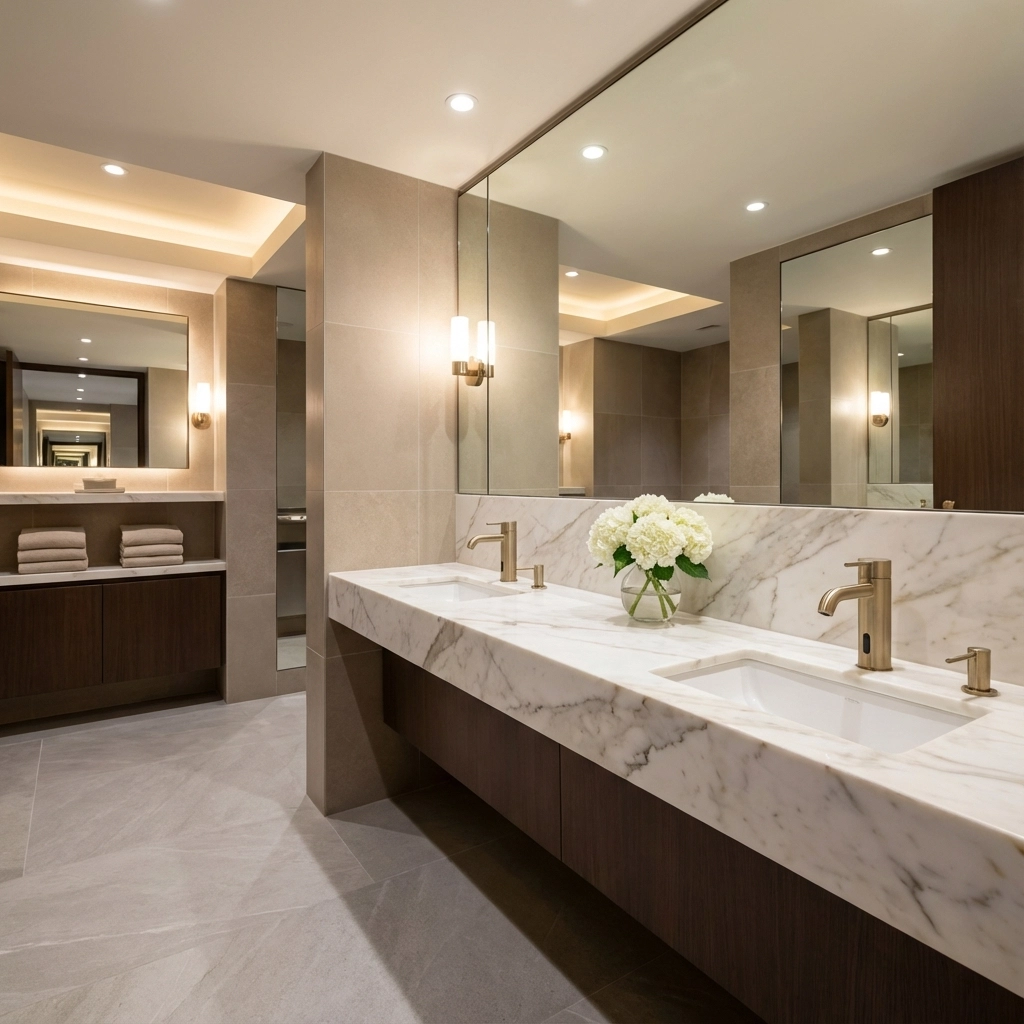
The funny thing is, fixing this isn't rocket science. Check the bathrooms every hour – not every shift, every hour. Stock supplies before you run out, not after. Fix leaks immediately, not when you get around to it. Train your staff that bathroom maintenance is everyone's job, not just the person who drew the short straw.
But somehow, we'd rather spend money on fancy new point-of-sale systems and Instagram-worthy lighting than invest in basic human dignity. We'll debate the thread count of our napkins but use single-ply toilet paper that feels like sandpaper.
The Money We're Leaving on the Table
Here's the part that really drives me crazy: maintaining clean bathrooms isn't just about preventing problems – it's about creating opportunities. A restaurant with consistently excellent restrooms stands out. People notice. They remember. They come back. They tell their friends.

I know a small café owner who turned his bathroom maintenance into a competitive advantage. He installed motion-sensor everything, added fresh flowers weekly, and even included reading materials. Customers started mentioning his restrooms in reviews as a reason to visit. His bathroom became a marketing tool.
Think about it: for the cost of some extra cleaning supplies and a little staff training, you can differentiate yourself from every competitor who's ignoring this obvious opportunity. You can turn a potential negative into a definitive positive. You can stop losing customers and start gaining them.
But here we are, still treating bathrooms like some unfortunate necessity instead of what they really are: the last impression your customers have before they decide whether to recommend your place to their friends or warn them to stay away.
And that, my friends, is money left on the table – one dirty toilet seat at a time.
Keywords: restaurant consulting, guest experience, restaurant operations, Andy Rooney blog, restaurant humor, find money your restaurants, restaurant bathroom maintenance, customer retention, restaurant management, hospitality industry
Meta Description: A humorous Andy Rooney-style take on restaurant bathroom problems and the surprising impact on customer loyalty, revenue, and business success. Why this overlooked issue costs restaurants millions.
Outbound Links:


