
You've cracked the code on one location. The numbers work, guests keep coming back, and you're finally sleeping more than four hours a night. Naturally, someone, your uncle, your accountant, that guy at the bar, says: "You should open another one!"
Here's what they don't tell you: scaling from one restaurant to multiple locations is where most operators either build generational wealth or give away everything they've worked for. The difference isn't luck. It's strategy, structure, and knowing exactly when to say "no" to the wrong money.
We've seen both outcomes hundreds of times. The operators who scale successfully don't just replicate their menu: they replicate their systems, protect their equity, and structure their growth around financial intelligence rather than ego. Let's break down exactly how to do it.
The Foundation: Why Most Multi-Unit Expansions Fail
Before you sign your second lease, understand this: your biggest competitor isn't the Italian place down the street: it's your own operational bandwidth.
I've worked every position in restaurants, from scraping plates as a busser to running P&Ls as a director. The skills that make you successful at one location: being everywhere at once, fixing problems on the fly, knowing every regular's name: become impossible to scale. Location two doesn't need you to expedite on Friday nights. It needs systems that work without you standing there.

Most operators expand too early, trying to replicate success before they've actually documented what creates it. Your profitability at location one might be 65% your recipes, 20% your manager's hustle, and 15% pure luck because you're across from a movie theater. Which parts can you actually duplicate?
Build these three pillars before you even think about location two:
– Documented profitability across different conditions – You've weathered slow seasons, staff turnover, and at least one local "crisis" (construction, competition, whatever) and still hit your targets
– Operational systems that someone else can execute – Every process lives in a manual, not just in your head or your best manager's muscle memory
– Financial clarity that proves unit economics work – Your EBITDA isn't masking problems through owner sweat equity or deferred maintenance
If you can't check all three boxes, you're not ready. And that's fine. Better to delay six months than dilute 30% of your business to private equity because location two burned through your capital.
Smart Money Moves: Funding Growth Without Selling Your Soul
Here's the uncomfortable truth about restaurant expansion: most operators give away ownership not because they need to, but because they don't know their other options.
Traditional bank financing for multi-unit growth exists, but it requires ironclad documentation and proven unit-level returns. Equipment financing, SBA loans, and strategic credit lines can fund 60-80% of expansion costs without touching equity: if you structure them correctly.
The capital stack we recommend for smart growth:
– Cash flow from location one (retained earnings) – Should fund 20-30% of expansion; proves you're generating actual profit, not just revenue
– Strategic debt instruments – SBA 7(a) loans, equipment financing, and lines of credit that preserve ownership while leveraging assets
– Vendor financing and landlord improvements – Your suppliers and landlords want you to succeed; negotiate terms that delay cash outlays during critical ramp-up periods
– Selective equity partners – Only if they bring strategic value beyond capital: real estate expertise, complementary brands, or operational horsepower you genuinely need
Every percentage point of equity you give away costs you exponentially more as you scale. At three locations, that 20% stake you sold for location two is now 20% of triple the cash flow. At ten locations? You've given away millions because you didn't explore debt options thoroughly enough.
We help operators find money inside their existing operations and structure financing that protects long-term value. Because restaurant consulting isn't just about growth: it's about profitable, sustainable growth that keeps you in control.
Building Systems That Actually Scale
Your secret sauce isn't actually secret, and it's definitely not just the sauce.
What made location one successful is your ability to maintain standards when you're slammed, recover from mistakes without losing guests, and keep your team engaged even during the third double of the week. Now you need to bottle that: not your marinara recipe, but the operational discipline that made your marinara consistent.
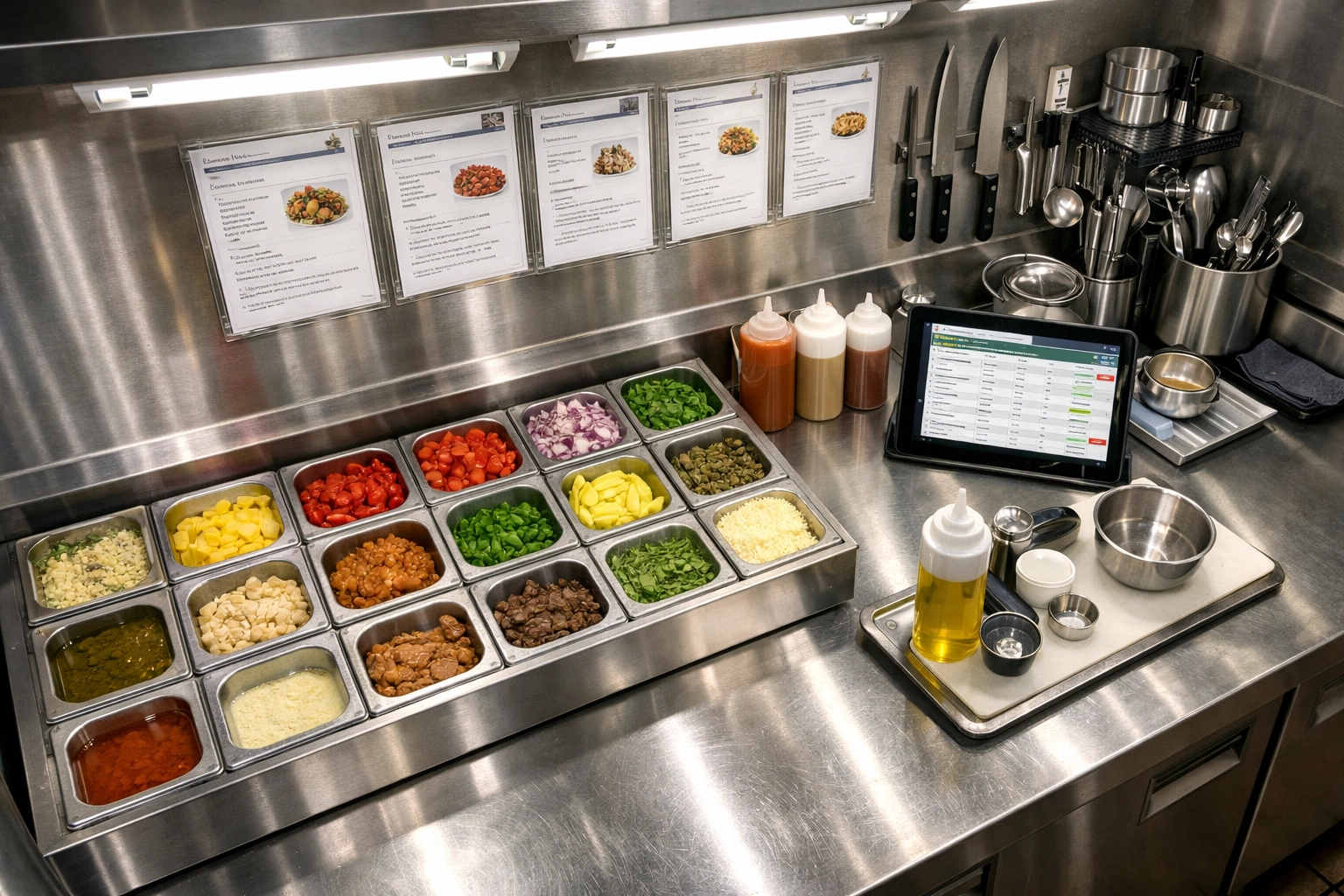
Technology infrastructure you need before location two:
– Cloud-based POS with real-time data sync – You should see every check, void, and inventory movement across all locations from your phone, without calling managers for updates
– Centralized scheduling and labor management – Consistent scheduling practices prevent the "we're short tonight" panic that kills margins
– Standardized recipe and inventory systems – Your line cooks at location two should produce the same yield and quality as location one, even though they've never met your opening chef
– Performance dashboards that actually get used – Daily sales, labor costs, food costs, and guest feedback in one place you review every morning
The operators who scale successfully spend less time in kitchens and more time looking at dashboards. Not because they don't care about food: because they've built systems that maintain quality without requiring their physical presence.
I spent years as a restaurant manager believing that "being there" was leadership. It's not. Leadership is creating conditions where excellence happens without you. That's what systems do.
Control vs. Speed: Choosing Your Growth Model
Every expansion model is fundamentally a trade-off between how fast you grow and how much control you maintain.
Company-owned units give you maximum control and maximum returns: but they also cap your growth rate to your available capital and operational bandwidth. Franchising accelerates growth dramatically but introduces complexity, quality risks, and revenue sharing.
Area development agreements work beautifully if you find the right partner: someone with capital, operational chops, and hunger to build alongside you. They commit to opening multiple locations in a territory on a timeline, giving you market penetration without diluting ownership. The risk? You're betting heavily on one operator's execution.
Master franchise arrangements enable explosive growth by appointing regional developers who recruit and support sub-franchisees. This model demands exceptional systems and training protocols because you're now managing managers of managers. Quality control becomes exponentially harder, but market penetration becomes exponentially faster.

For most operators in the three-to-ten unit range, strategic company ownership with selective partnerships delivers optimal results. Own your flagship and highest-performing markets. Partner carefully in secondary markets where local expertise matters. Maintain brand control while accessing strategic capital and operational leverage.
The model matters less than matching it to your actual capabilities and capital situation. We help operators assess their realistic growth trajectory and structure accordingly: because restaurant investment decisions made on ego rather than analysis tend to blow up around unit four.
Protecting Your Brand (and Your Bank Account)
Consistency is what scales. Creativity is what got you here. Most operators confuse the two.
Your signature burger doesn't need a "location two twist." It needs to taste exactly like location one's burger, every single time, even when your opening chef is on vacation and the new guy is working sauté.
Centralized brand systems that protect quality at scale:
– Pre-approved marketing templates and campaigns – Local adaptation is fine; brand dilution is not
– Standardized vendor relationships and purchasing power – Collective volume across units should reduce costs 10-15%, not create vendor chaos
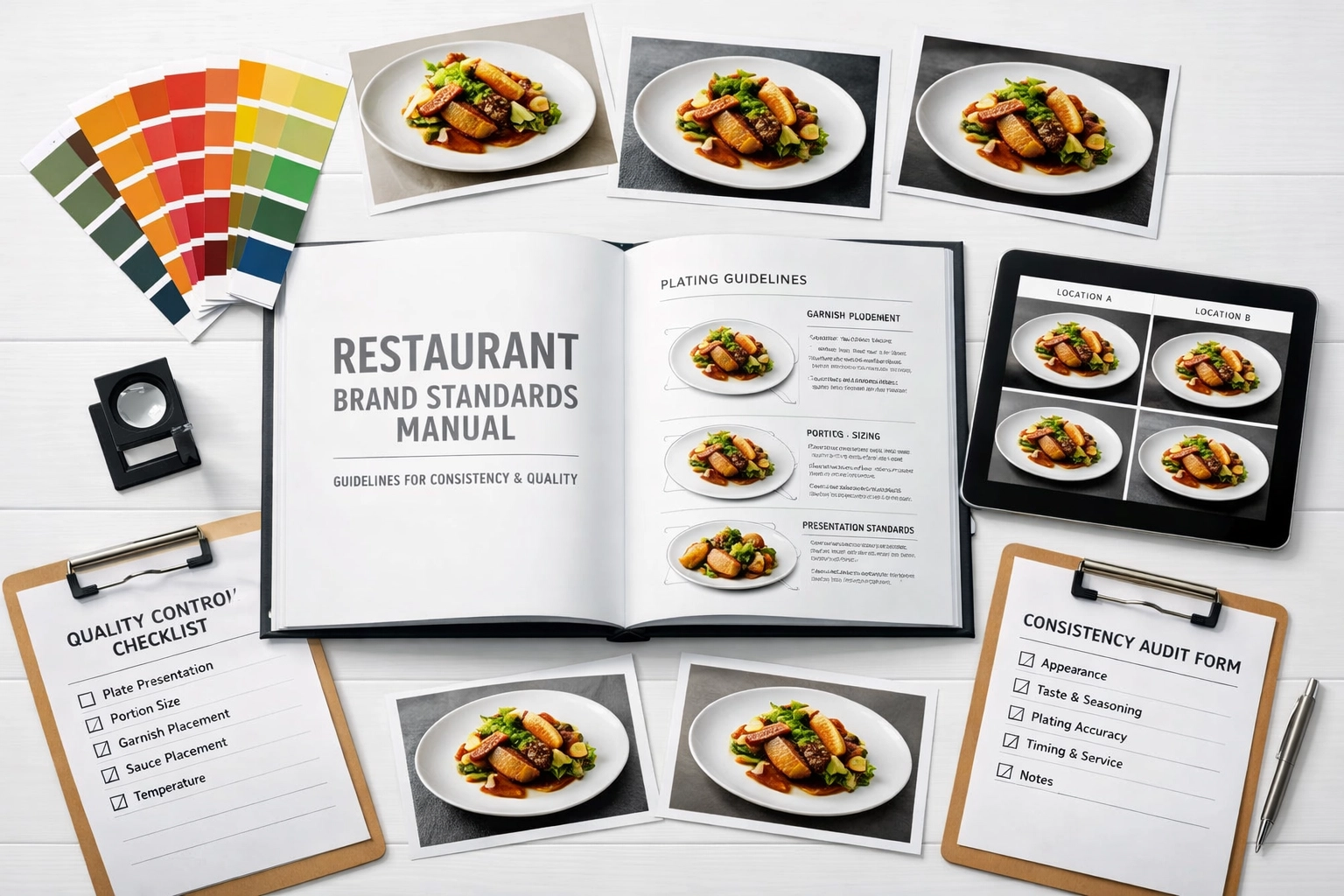
– Field support structure with regular evaluations – Monthly visits, standardized scorecards, and immediate intervention protocols when units drift off-brand
– Training programs that prepare managers for multi-unit leadership – Your best single-unit manager often makes a terrible multi-unit supervisor without proper development
The biggest mistake we see? Operators who allow "entrepreneurial freedom" at each location because they don't want to micromanage. That's not empowerment: it's abdication. Your guests expect consistent experiences. Your investors expect consistent returns. Neither happens accidentally.
The Real Work Begins After Location Two
Here's what nobody tells you about restaurant growth: getting to three units is exponentially harder than getting to two, and getting to five is exponentially harder than three.
At one location, you're an operator. At two, you're managing. At three-plus, you need to become a system builder, people developer, and financial strategist: or hire executives who are. The skills that got you here won't get you there.
Strategic focus areas for sustainable multi-unit success:
– Leadership bench development – Identify and develop your next layer of management continuously, not when you desperately need them
– Mentorship programs between units – Your successful multi-unit operators should coach newer ones, creating accountability partnerships
– Advisory councils with franchisee representation – If you're franchising, include operator perspectives in system-wide decisions to maintain buy-in
– Long-range planning sessions – Block quarterly time for system-wide strategic work, not just firefighting operational crises
The mental shift from operator to CEO is brutal. I remember my first week running marketing for a multi-unit concept after years in operations. Suddenly I couldn't fix problems by jumping on the line during dinner rush. I had to trust systems, trust people, and trust that my strategic work would compound over time.
That's what restaurant new business development actually means: building infrastructure that generates consistent returns without constant intervention. It's less exciting than opening day, but exponentially more valuable.
Your Next Move
Scaling successfully isn't about having the best food or the coolest concept. It's about having financial clarity, operational systems, and strategic partners who understand restaurant economics at scale.
The operators who build generational wealth do three things consistently: they protect their equity fiercely, they invest in systems before they're "ready," and they partner with advisors who've seen every possible expansion scenario: both the successes and the spectacular failures.
You don't have to figure this out alone. Whether you're evaluating location two or optimizing locations three through eight, strategic guidance prevents expensive mistakes and unlocks hidden opportunities in your existing operations.
Visit us at www.restaurantfinanceadvisors.com to learn more about maximizing your revenue and book a call today to start making more money. We'll show you exactly how to scale without giving away the house: because your concept deserves to grow, and you deserve to own it.
Connect with our CEO Robert Ancill on LinkedIn to stay updated on restaurant finance strategies and industry insights.
Target Keywords: restaurant consulting, restaurant investment, restaurant new business, restaurant growth, find money your restaurants
Meta Description: Scaling your restaurant concept requires more than just good food. Explore strategic financial solutions to grow without equity dilution.
Sources:


