

Your restaurant is hemorrhaging money right now. Not in some dramatic, lights-flickering-off kind of way, but in the slow, silent drip of operational inefficiencies, menu mispricing, and labor waste that most operators never see until it's too late. The good news? That money isn't gone. It's just hiding.
Welcome to 2026, where the restaurant industry isn't about building more units anymore, it's about making the units you have actually work. As Nation's Restaurant News has been reporting, we're living through what insiders are calling the "Maturation Moment." Growth for growth's sake is dead. Profitable, efficient operations are the new gold standard.
At Restaurant Finance Advisors, we've spent years helping operators find the hidden goldmine sitting right under their noses. Today, we're pulling back the curtain on exactly where your money is hiding, and how to get it back.
The 2026 Maturation Moment: Why This Year Is Different
The restaurant industry is growing up, and it's about time. After years of aggressive expansion, major chains are actually closing underperforming locations to focus on profitability. According to GBQ Partners, operators are shifting from a "build it and they will come" mentality to a "make what we have work better" approach.
This isn't retreat, it's strategy.
The new FDA traceability requirements that kicked in this month are adding compliance costs, and the updated Dietary Guidelines are pushing menu reformulation. Meanwhile, labor costs continue climbing, and commodity prices remain volatile.
Here's the thing: operators who view these challenges as expenses are missing the point. Every single one of these pressures is an opportunity to find inefficiencies you didn't know existed.
Your Menu Is Lying to You: The Art of Menu Engineering
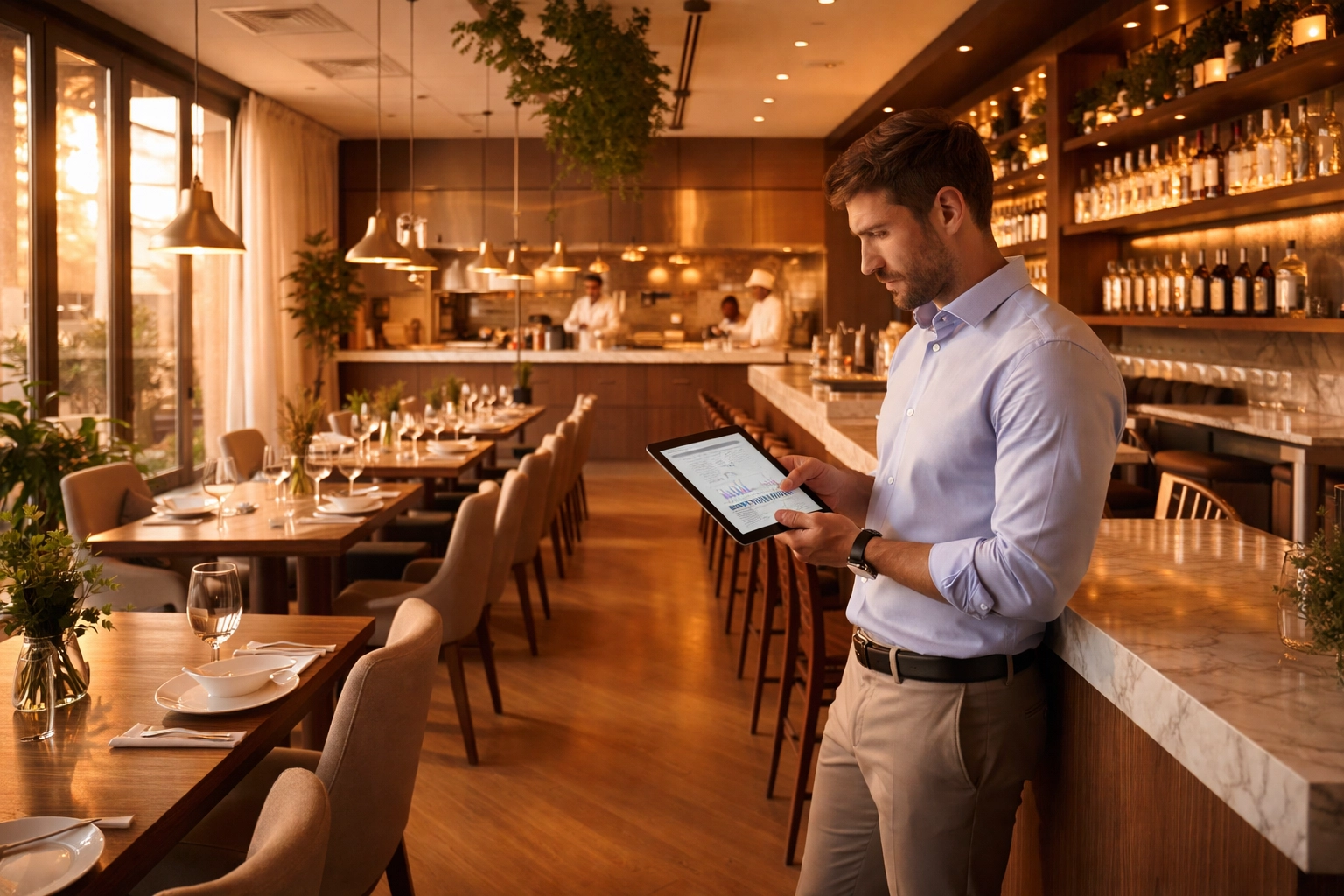
That best-selling burger? It might be killing your margins. Having worked every position from busser to Director of Marketing, I can tell you that most operators confuse popularity with profitability, and it's costing them thousands every month.
Here's how we categorize menu items:
– Stars – High profit, high popularity. These are your workhorses. Promote them relentlessly through server recommendations and prime menu real estate.
– Puzzles – High profit, low popularity. These are your hidden gems. They're profitable but nobody's ordering them. Fix this with better descriptions, photos, and strategic server suggestions.
– Cows – Low profit, high popularity. Everyone loves them, but they're dragging down your margins. Time to optimize portions, renegotiate ingredient costs, or slightly adjust pricing.
– Dogs – Low profit, low popularity. Remove them immediately. Seriously. That artisanal quinoa bowl nobody orders? Gone.
The real magic happens when you dig into your Puzzles. Push them through specific pairings, instead of "Do you want fries?" train your servers to say, "Our truffle parmesan fries pair perfectly with that burger." This single technique can boost conversion rates by up to 30% and increase revenue by 10-15% per table.
And here's a psychological trick that actually works: remove the dollar signs from your prices. Studies show guests focus on the food instead of the cost, which subtly increases spending. It sounds ridiculous until you see the numbers.
Labor Inefficiencies: The Silent Profit Killer
Your labor cost isn't just about wages, it's about minutes. Every wasted minute is money walking out the door.
As someone who's worked the line during a Friday night rush, I can tell you that operational bottlenecks don't just stress out your kitchen, they destroy your table turnover. If food takes more than 20 minutes to leave the pass during peak hours, you've got a problem that's hitting your bottom line harder than you realize.
Here's where to look for labor leaks:
– Cross-training gaps – Every staff member should be proficient in at least two critical roles per shift. Single-point failures during rushes lead to service breakdowns and lost revenue.
– Payment processing delays – Tableside payment devices or QR code payments can shave 5-10 minutes off table turnover. Multiply that by 50 tables on a Saturday night.
– Pre-bussing failures – Train servers to remove empty plates promptly. It signals meal conclusion and naturally guides guests toward payment. Sounds small, but it compounds fast.
– Time theft tracking – Start measuring minutes removed per process weekly, just like you track food costs. Set goals. Celebrate wins.
McKinsey's research on restaurant operations confirms that AI and automation are shifting from experimental features to operational infrastructure. The operators winning in 2026 are using technology to identify bottlenecks before they notice them, and asking questions they wouldn't have thought to ask.
Inventory Waste: FIFO Isn't Just a Suggestion
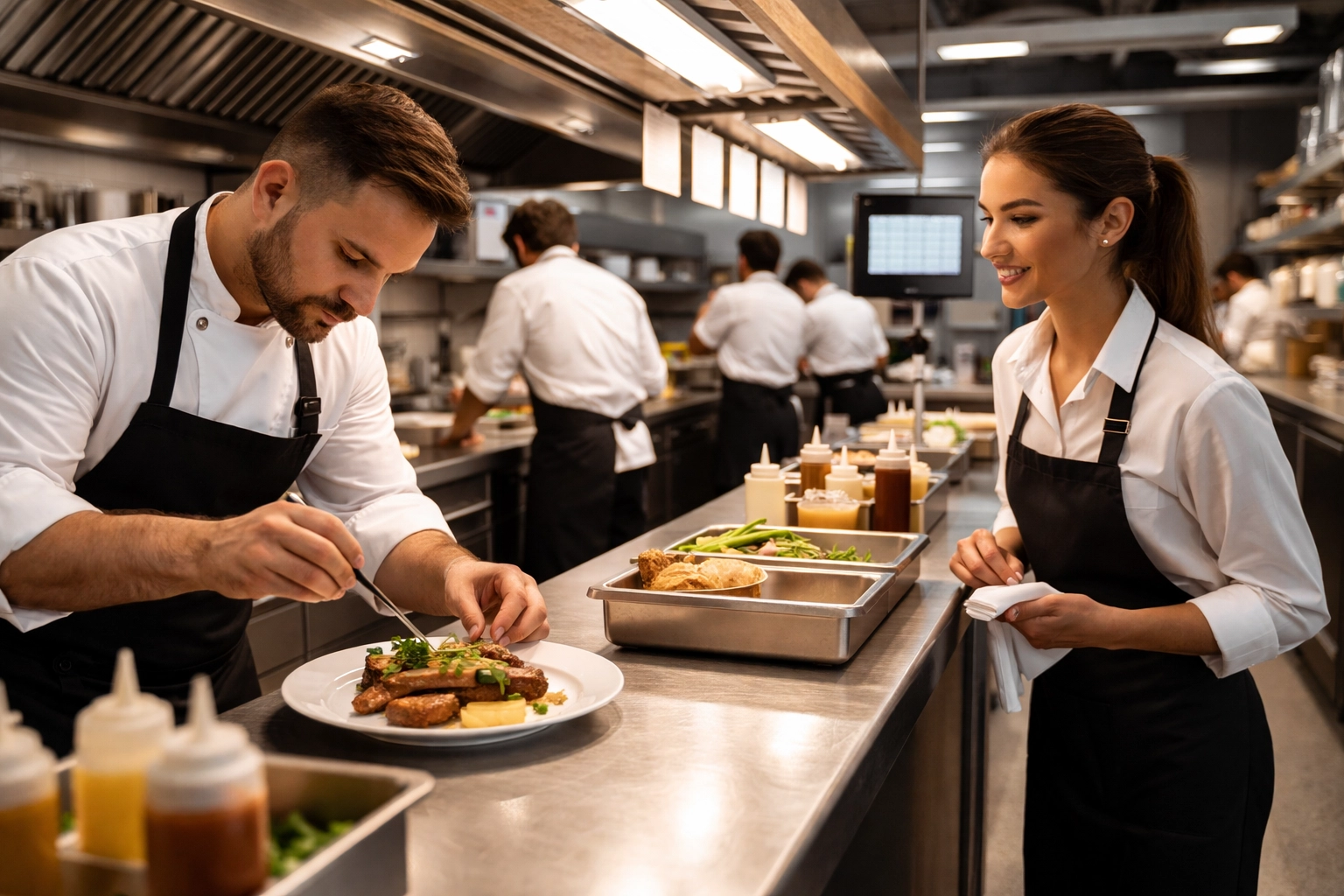
Spoilage is profit rotting in your walk-in cooler. The new FDA traceability rules aren't just compliance headaches, they're forcing operators to finally get serious about inventory management.
Strict FIFO (First In, First Out) implementation isn't optional anymore. Neither are standardized portion sizes. Every inconsistent scoop of mashed potatoes is a cost variance you're absorbing without realizing it.
Here's a truth bomb from my days managing inventory: most operators have no idea what's actually expiring in their coolers until it's too late. The FDA's new requirements are actually a gift, they're forcing the kind of tracking discipline that separates profitable restaurants from struggling ones.
– Implement daily inventory audits – Yes, daily. It takes 15 minutes and saves thousands.
– Track waste by category – Proteins, produce, dairy. Know where your money is spoiling.
– Adjust ordering frequency – More frequent, smaller orders often reduce waste more than the delivery fees cost.
Dynamic Pricing: Airlines Figured This Out Decades Ago
If your Saturday dinner is fully booked, why are you still running happy hour discounts? Airlines have maximized profit through demand-based pricing forever. Restaurants are finally catching up.
Time-based pricing isn't about gouging customers: it's about matching price to demand:
– Remove discounts during peak periods – If you're turning away reservations, you don't need promotions pulling down your check average.
– Create "Early Bird" specials for slow periods – Tuesday at 4pm is never going to be Saturday at 8pm. Price accordingly and cover your fixed costs.
– Use seasonal ingredients strategically – They're cheaper AND taste better. Double win for your margins.

The RFA Difference: Risk-Free Turnaround in Two Weeks
Here's where we come in. At Restaurant Finance Advisors, we don't just identify problems: we fund the solutions.
Our F&B credit funding model means you're not taking on traditional debt to fix operational issues. We partner with operators to implement Revenue Growth Management (RGM) strategies that deliver measurable results within two weeks: not two quarters.
We've helped operators across the country:
– Identify and plug revenue leaks – Using data-driven menu engineering and labor optimization
– Navigate FDA compliance – Turning regulatory requirements into operational advantages
– Access growth capital – Without the traditional barriers that keep good operators stuck
The 2026 Maturation Moment isn't about surviving: it's about thriving. The operators who embrace efficiency, leverage data, and partner with experts who understand restaurant finance are the ones who'll dominate the next decade.
Industry veterans like those featured on LinkedIn's restaurant finance community understand this shift. The question isn't whether your restaurant is leaving money on the table. The question is how much: and how fast you can recover it.
Stop Leaving Money on the Table
The hidden goldmine in your restaurant isn't hidden because it's hard to find. It's hidden because nobody's looking. Menu engineering, labor optimization, inventory management, dynamic pricing: these aren't revolutionary concepts. They're proven techniques that most operators simply haven't implemented.
At Restaurant Finance Advisors, we're not just consultants: we're partners in your growth. We bring the funding, the expertise, and the urgency to help you find the money your restaurant is leaving on the table.
Ready to stop the bleeding and start building? Let's talk.
Keywords: restaurant consulting, restaurant investment, restaurant new business, restaurant growth, find money your restaurants
Meta Description: Stop leaving money on the table. Our 2026 Deep-Dive reveals the hidden revenue leaks in your restaurant and how to plug them.
Outbound Links:


