

The restaurant industry just got handed the biggest tax advantage in decades and most operators are leaving money on the table by not understanding how to maximize it.
While everyone’s talking about “2026 tax breaks,” the real game-changer actually kicked in on January 19, 2025, when Congress permanently restored 100% bonus depreciation. This isn’t just another accounting trick – it’s a strategic weapon that forward-thinking restaurant owners are using to fund aggressive expansion while their competitors struggle with traditional financing.
The 100% Bonus Depreciation Goldmine: What Changed Everything
Here’s what happened that most restaurant owners missed: The previous trajectory had bonus depreciation dropping from 80% in 2023 to 60% in 2024, then down to 40% in 2025, 20% in 2026, and completely eliminated by 2027. That death spiral just got permanently reversed.
Now, qualifying restaurant equipment and improvements purchased and placed in service after January 19, 2025, can be immediately expensed at 100% in the year you install them. This means:
– New kitchen equipment – that $150,000 commercial oven system becomes a $150,000 tax deduction the moment it’s operational
– Restaurant buildouts – qualifying improvements like specialized lighting, flooring, and HVAC systems get immediate write-offs
– Technology investments – POS systems, kitchen display systems, and back-office hardware qualify for instant expensing
– Furniture and fixtures – dining room furniture, bar equipment, and guest-facing improvements
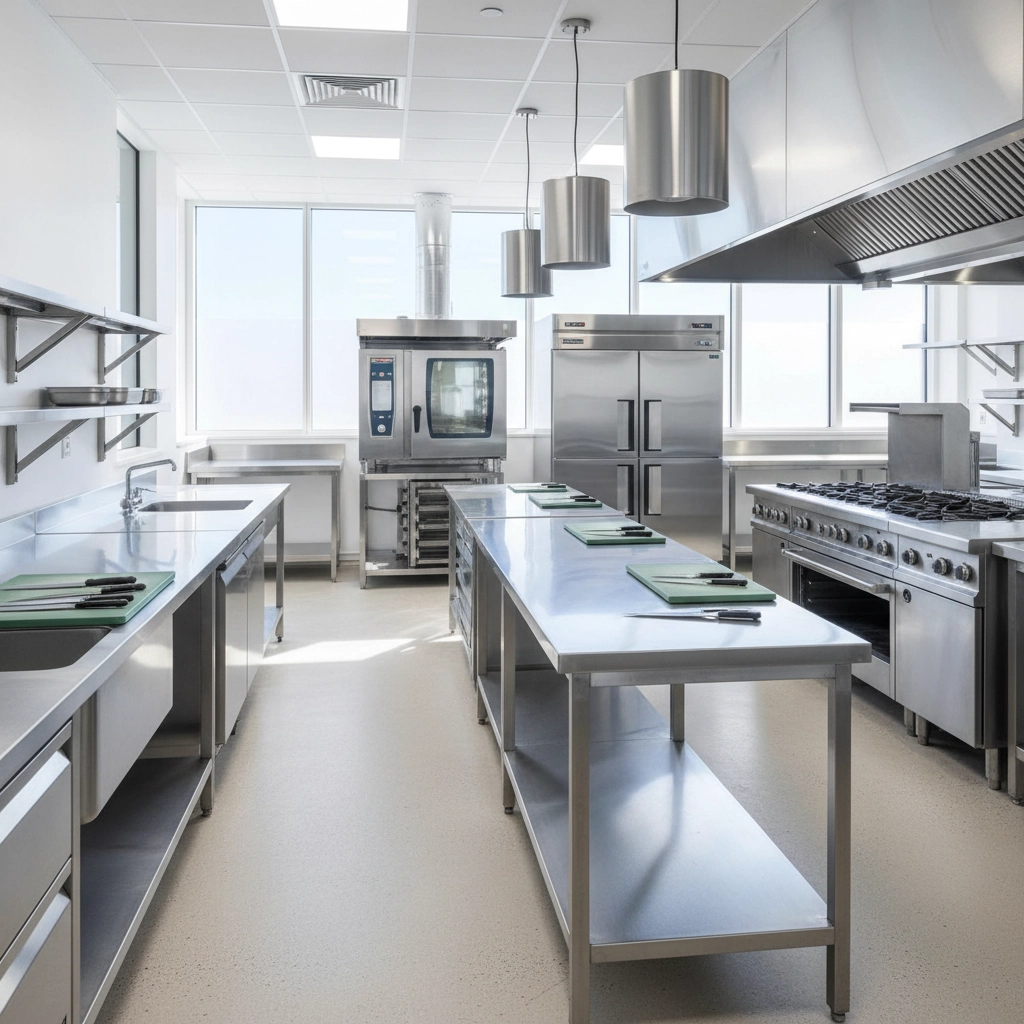
The catch? Both acquisition AND installation must happen after January 19, 2025. Having a contract signed in December 2024 but installing in March 2025 disqualifies you from the 100% treatment.
How Smart Restaurant Operators Are Gaming This System
We’re seeing three distinct strategies emerge from operators who understand this opportunity:
Strategy 1: The Capital Acceleration Play
Successful multi-unit operators are front-loading their expansion timelines to maximize immediate deductions. Instead of spreading equipment purchases across multiple years, they’re concentrating investments into single tax years when profits are strong.
Real-world example: A client with four profitable locations used bonus depreciation to outfit two new stores simultaneously in 2025, creating $400,000 in immediate deductions that offset their strongest profit year. The tax savings? Enough to fund the third location’s working capital without touching their credit line.
Strategy 2: The Cost Segregation Multiplier
The smartest operators are pairing bonus depreciation with cost segregation studies, breaking down building costs into shorter-lived components that qualify for immediate expensing. This layered approach can turn a $500,000 renovation into $300,000+ in current-year deductions.
According to restaurant development expert Danny Meyer’s recent LinkedIn post, “The operators who understand cost segregation combined with bonus depreciation are essentially getting their renovations partially funded by the IRS.”
Strategy 3: The Cash Flow Optimization Game
Strategic timing becomes everything. Operators with strong 2025 profits are maximizing deductions in high-income years, while those with tighter margins are staging purchases to smooth deductions across optimal tax brackets.
Section 179: Your Backup Quarterback
While bonus depreciation gets the headlines, Section 179 expensing received its own upgrade – the cap increased to $2.5 million with phase-out beginning at $4 million, indexed for inflation starting in 2026.
The strategic difference:
– 100% Bonus Depreciation = front-loaded deductions when profits are strong, no annual limits
– Section 179 = more flexibility for smaller investments, subject to annual purchase and deduction limits
Smart operators use Section 179 for targeted equipment purchases while saving bonus depreciation for major buildouts and expansion projects.

Equipment That Qualifies (And What Doesn’t)
Qualifying restaurant assets include:
– Commercial kitchen equipment (ovens, fryers, refrigeration, prep equipment)
– Point-of-sale and ordering systems
– Bar equipment and beverage systems
– Dining room furniture and fixtures
– Specialized lighting and sound systems
– Back-office technology and hardware
– Property improvements with recovery periods of 20 years or less
What doesn’t qualify:
– Real estate and building structures
– Assets placed in service before January 19, 2025
– Equipment with recovery periods exceeding 20 years
– Personal use assets
The Expansion Multiplier Effect
Here’s where this gets powerful for growth-focused operators: Instead of financing expansion through traditional loans, operators are using tax savings to self-fund growth.
Consider this scenario: A profitable restaurant group spends $800,000 on equipment and qualifying improvements across two new locations in 2025. At a 30% combined tax rate, that’s $240,000 in immediate tax savings – enough to cover most of the working capital for a third location.
Tom Colicchio recently shared on LinkedIn that “The operators expanding right now aren’t just thinking about revenue – they’re thinking about how tax strategy funds the next location.”
Strategic Implementation: Your Action Plan
Phase 1: Audit Your Current Plans
– Review your 2025-2026 capital expenditure plans
– Identify equipment and improvements that qualify for bonus depreciation
– Calculate potential tax savings at your current rate
Phase 2: Timing Optimization
– Coordinate with your accountant to model deduction timing
– Consider accelerating planned 2026 purchases into late 2025
– Evaluate whether taking full deductions creates unintended consequences
Phase 3: Documentation and Compliance
– Maintain detailed records of acquisition dates (contract execution dates matter)
– Document installation and “placed in service” dates
– Consider optional elections that allow phased write-offs if needed
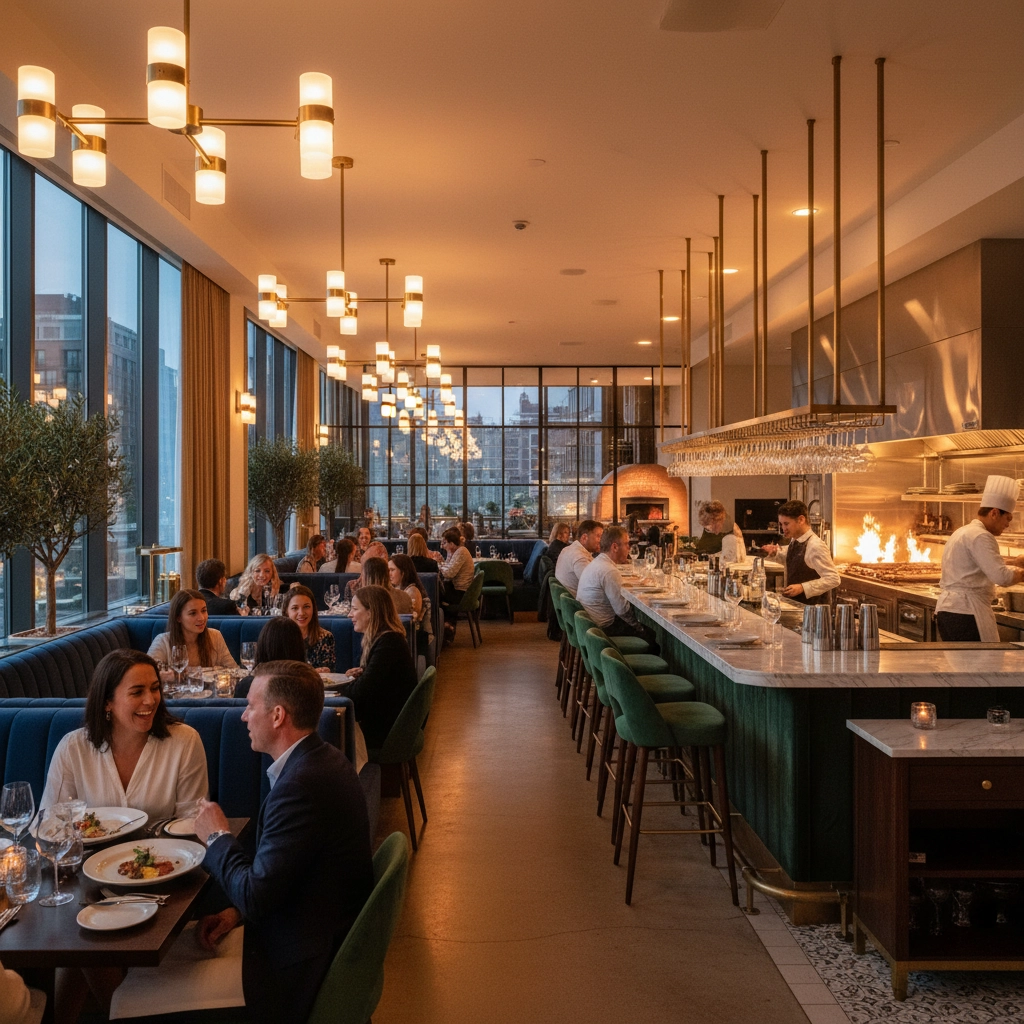
Industry-Specific Considerations
For franchisees: Coordinate with franchisors on approved equipment lists and installation timelines to maximize qualifying purchases while maintaining brand standards.
For independent operators: Focus on equipment that provides both immediate tax benefits and long-term operational efficiency gains.
For multi-unit groups: Develop standardized equipment packages that qualify for bonus depreciation while creating economies of scale across locations.
Common Mistakes That Cost Money
– Missing the “placed in service” deadline – equipment must be operational, not just delivered
– Ignoring cost segregation opportunities – leaving qualified building components under traditional depreciation schedules
– Poor timing coordination – taking massive deductions in low-income years instead of high-profit years
– Inadequate documentation – failing to properly track acquisition and installation dates
The Bottom Line: This Window Won’t Stay Open Forever
While bonus depreciation is now permanent, optimal utilization requires strategic timing and expert guidance. The operators expanding aggressively in 2025-2026 aren’t just riding market trends – they’re leveraging tax strategy as a competitive weapon.
The question isn’t whether your competitors will figure this out – it’s whether you’ll implement it first. Restaurant Finance Advisors specializes in helping restaurant operators maximize these opportunities while maintaining compliance and optimizing cash flow.
Ready to turn tax strategy into expansion capital? The equipment you’re planning to buy anyway can become the funding source for your next location. That’s not accounting magic – that’s strategic restaurant finance.
Keywords: restaurant tax breaks 2026, 100% bonus depreciation restaurants, restaurant equipment tax deduction, Section 179 restaurant equipment, restaurant expansion financing, cost segregation restaurants, restaurant tax strategy, bonus depreciation 2025
Meta Description: Learn how smart restaurant owners are using 100% bonus depreciation and 2025 tax breaks to fund expansion. Expert strategies for maximizing restaurant equipment deductions and accelerating growth through strategic tax planning.
Outbound Links:


