

The restaurant landscape of 2026 isn't for the faint of heart – it's for the strategically minded operators who understand that survival requires more than just keeping the lights on. After spending two decades working every position from busser to director of marketing, I've watched countless restaurants rise, fall, and occasionally rise again. What separates the winners from the cautionary tales isn't luck or location – it's strategic execution combined with financial intelligence.
The bifurcation is real: high-performing restaurants are pulling away from the pack while struggling concepts get left behind. According to Modern Restaurant Management, successful operators are focusing on five key areas that will define success in the coming year. But here's what they don't tell you – executing these strategies requires capital, operational precision, and the kind of veteran wisdom that only comes from understanding every moving part of this business.
Strategic Pivoting: From Traffic to Frequency
The fundamental shift happening right now is moving from chasing one-time customers to building genuine loyalty engines. Among consumers spending more at restaurants, 31% cite ordering more frequently as their primary reason – a massive jump from just 18% in 2024. This isn't about discounting your way to bankruptcy; it's about treating incremental frequency as pure profit.
The Loyalty Revolution
Building repeat frequency means designing systems that move customers from once-a-week visitors to twice-a-week regulars. This requires investment in technology platforms that actually work, not the cheap solutions that crash during dinner rush. We're talking about integrated POS systems, loyalty programs that don't require PhD-level navigation, and mobile ordering that doesn't make customers want to throw their phones.

The Gen Z and Millennial Factor cannot be ignored. Over 20% of these younger diners plan to increase their restaurant visits in 2026, compared to just 8% of Boomers. These aren't the coupon-clipping customers of yesteryear – they expect speed, accuracy, personalization, and Instagram-worthy experiences. Most importantly, 77% order delivery weekly, making your digital presence as critical as your physical location.
Menu Engineering for the Digital Age
Stop treating your digital menu like an afterthought. Every placement, every photo, every description should strategically guide customers toward high-margin items while building traffic to your owned channels instead of third-party platforms. This means applying classical menu engineering principles across all touchpoints – from QR codes to mobile apps to delivery platforms.
The strategic pivot also means understanding that your competition isn't just other restaurants. You're competing with grocery stores, meal kits, and the $12 sandwich someone can grab at their office building. Your value proposition needs to be crystal clear and consistently delivered.
Smart Money Moves: Beyond Traditional Bank Loans
Here's something most restaurant consultants won't tell you: traditional bank loans are increasingly irrelevant for modern restaurant growth. Banks want collateral, personal guarantees, and financial projections that assume everything goes perfectly. Reality check – nothing in restaurants goes perfectly.
Alternative Funding Strategies
Revenue-based financing has emerged as a game-changer for multi-unit expansion. Instead of fixed monthly payments that don't care if you have a slow February, these structures align payment schedules with actual cash flow. Companies like Capchase and others are specifically targeting restaurant operators who understand their numbers but need flexible capital.
Equipment financing through specialized restaurant lenders often provides better terms than traditional banks, especially for kitchen upgrades and technology implementations. The key is working with lenders who understand that a new POS system or automated inventory management can actually improve cash flow rather than just adding debt.

Strategic partnerships with suppliers can unlock capital without traditional lending. Progressive suppliers are offering extended payment terms, equipment leasing programs, and even revenue-sharing arrangements for operators with proven track records.
The McDonald's Pricing Reality Check
McDonald's new global franchising standards for 2026 send a clear message: value is king, and every operator needs a compelling offer. When the biggest player in the game is implementing stricter price controls to combat those viral $20 Big Mac posts, it signals that the price inflation party is over.
According to Restaurant.org, menu prices are still rising at 3.7% year-over-year, but the fever is breaking. Smart operators are using strategic pricing rather than blanket increases – protecting premium items where customers show price tolerance while creating aggressive value bundles for price-sensitive segments.
Veteran Wisdom: Operational Excellence Over Expansion
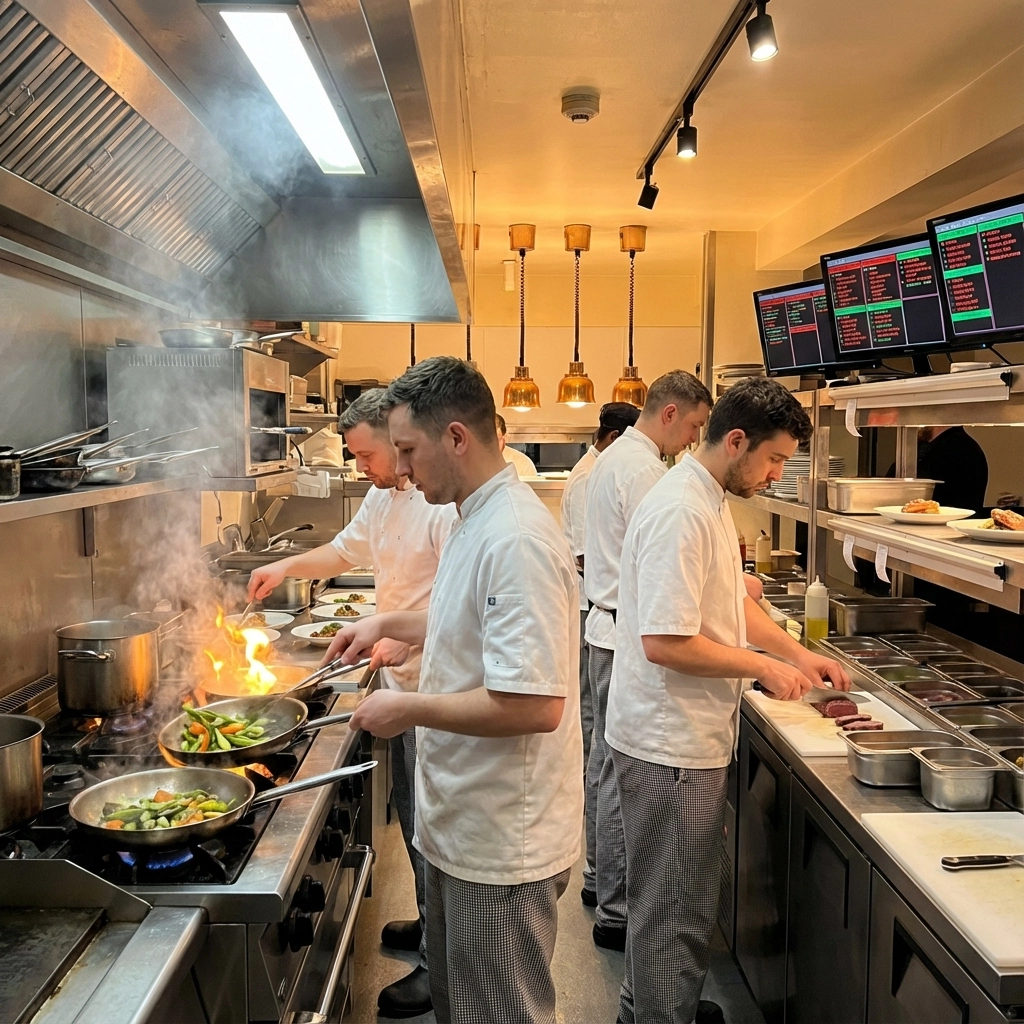
Every veteran operator I know has learned this lesson the hard way: operational excellence beats expansion every single time. Panera's CEO recently admitted they lost focus on core operational aspects like order accuracy while chasing technology trends. Golden Corral succeeded by restraining price increases below competitors while reinforcing value through other methods.
The Technology Trap
Don't let shiny technology distract from fundamental operations. I've watched operators spend six figures on AI-powered scheduling systems while their kitchen still can't consistently execute a medium-rare burger. The National Restaurant Association reports that over 35% of operators are implementing digital hiring tools, but technology only amplifies existing operational strengths or weaknesses.
The real veteran move? Master your fundamentals first, then layer in technology that enhances rather than replaces human excellence. AI-powered applicant tracking systems work brilliantly when you already have clear job descriptions, competitive compensation packages, and retention strategies that make people want to stay.
The Labor Evolution
Hiring isn't just brutal – it's fundamentally different. Gen Z workers bring fresh ideas and higher expectations. They want flexible scheduling, growth opportunities, and managers who actually manage rather than micromanage. This requires investment in training systems, communication tools, and leadership development that most operators skimp on because they can't see the immediate ROI.
The operators winning the labor game are treating staff retention like customer retention – investing in loyalty programs, recognition systems, and career pathing that keeps top performers engaged. When your best server costs $3,000 to replace (recruiting, training, lost productivity), investing $500 in retention programs becomes a no-brainer.
Future-Proofing Through Financial Intelligence
The restaurants thriving in 2026 will be those that treat financial management as a core competency, not an afterthought. This means real-time P&L monitoring, cash flow forecasting that actually predicts problems before they happen, and margin analysis that goes deeper than food cost percentages.
Building Antifragile Operations
Antifragile restaurants don't just survive disruption – they get stronger from it. This requires multiple revenue streams, flexible cost structures, and operational systems that can scale up or down quickly. The operators building this resilience are investing in:
– Cross-training programs that ensure any team member can handle multiple positions during staffing shortages
– Flexible menu systems that can pivot based on ingredient availability and cost fluctuations
– Technology infrastructure that supports both dine-in and off-premise operations without requiring separate systems
– Financial dashboards that provide daily visibility into unit economics and cash flow projections

The M&A Opportunity
Smart operators are positioning themselves for acquisition opportunities as weaker concepts fail. This requires maintaining clean financials, documented systems, and the kind of operational excellence that makes you an attractive target or acquisition partner. The restaurant investment landscape is hungry for well-run, scalable concepts that understand their unit economics.
For operators considering expansion, asset-light growth strategies are becoming increasingly attractive. This means franchising, licensing, ghost kitchens, and partnership models that minimize capital requirements while maximizing market penetration.
The Strategic Integration Advantage
The restaurants that will dominate 2026 understand that every operational decision connects to financial performance. This integration starts with understanding that your recipe management system should connect to your inventory management, which should connect to your scheduling system, which should connect to your financial reporting.
Modern operators are building what we call "integrated intelligence" – systems that automatically adjust ordering based on forecasted sales, optimize staff scheduling based on predicted traffic patterns, and flag margin erosion before it impacts monthly P&L statements.
This level of operational sophistication requires initial investment, but it's the difference between playing defense and playing offense. When you can predict rather than react, you can capture opportunities that reactive operators miss entirely.
The restaurant business has always been about execution under pressure. What's changed is that the pressure is constant, and the margin for error has shrunk dramatically. The operators who understand this reality and invest accordingly will find 2026 to be a year of unprecedented opportunity rather than just another survival challenge.
Ready to transform your restaurant operations and unlock hidden growth opportunities? Contact Restaurant Finance Advisors to discover how strategic financial planning and operational excellence can position your concept for sustainable expansion in 2026 and beyond.
Meta Description:
Master the 2026 restaurant growth strategies with expert insights on strategic pivoting, alternative funding beyond bank loans, operational excellence, and veteran wisdom for multi-unit expansion and sustainable profitability.
SEO Keywords:
restaurant consulting, restaurant investment, restaurant new business, restaurant growth, find money your restaurants, multi-unit expansion, restaurant financing, operational excellence, menu engineering, restaurant technology, alternative funding, restaurant strategy


