
The restaurant industry is entering its most challenging, and most opportunistic, year in decades. While headlines scream about tariffs, labor shortages, and inflation, we're witnessing smart operators not just survive but thrive by mastering five critical areas that separate winners from casualties.
After working every position from busser to director of marketing across multiple restaurant concepts, we've seen firsthand how the most successful operators approach uncertainty: they don't just react to market changes, they anticipate them and turn challenges into competitive advantages.
The 2025 Restaurant Battlefield: Understanding the New Rules
Macro-Economic Headwinds Creating Hidden Opportunities
The restaurant industry is navigating a perfect storm of external pressures that's reshaping how successful operators think about growth and profitability. Tariffs on imported goods are driving food costs up 12-18% across key categories, while inflation continues pressuring both ingredient costs and consumer spending power.
But here's what most operators miss: these challenges are creating massive opportunities for restaurants that adapt quickly. We're seeing independent operators gain market share from chain competitors who can't pivot as rapidly, and smart owners are discovering new revenue streams that didn't exist two years ago.
The penny shortage, yes, that's a real thing affecting restaurants: exemplifies how even small operational details can impact your bottom line. Cash-handling costs are rising, pushing more operators toward digital payment solutions that actually improve efficiency while reducing transaction costs.
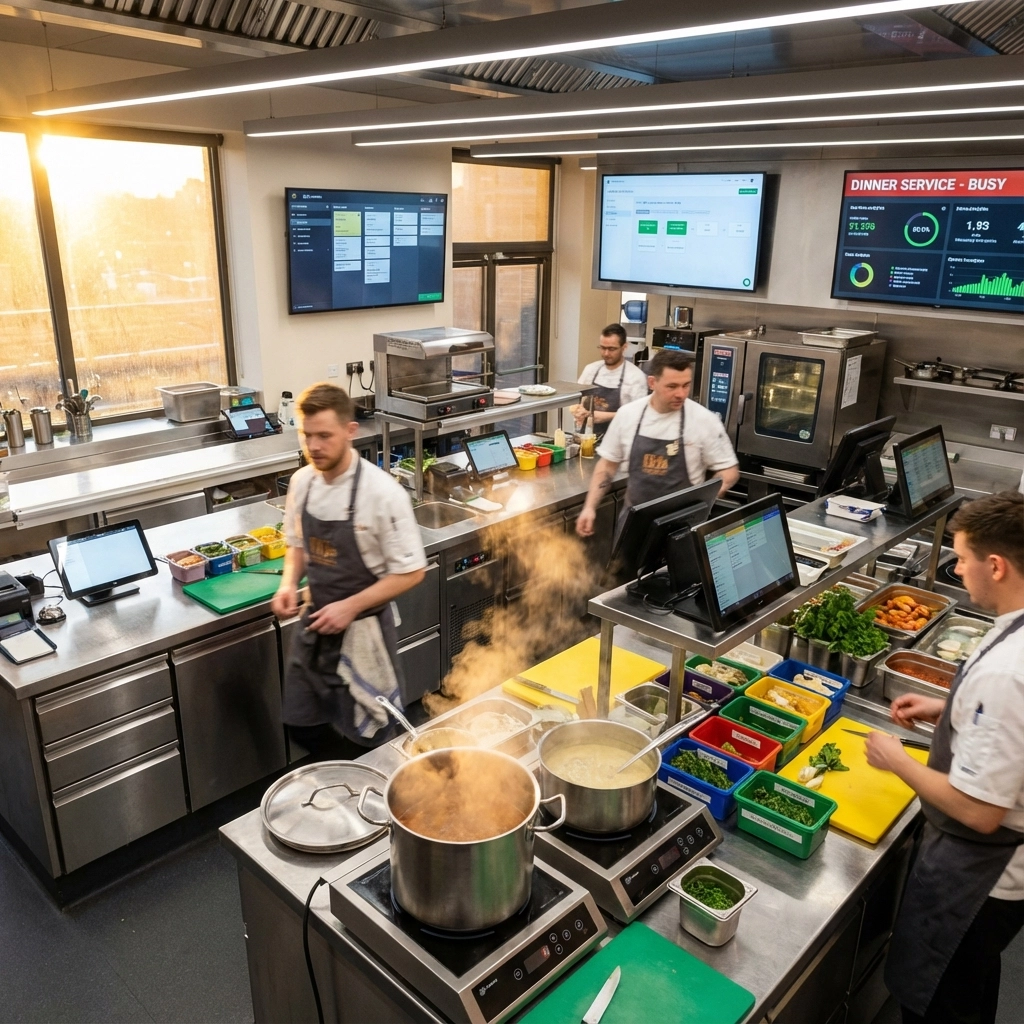
– Inflation-Proof Revenue Strategies – Focus on menu items with stable ingredient costs and high perceived value rather than fighting price wars
– Supply Chain Diversification – Develop relationships with 2-3 suppliers per category to avoid single-source dependency
– Dynamic Pricing Models – Implement technology that adjusts pricing based on demand, seasonality, and cost fluctuations
– Cash Flow Optimization – Negotiate payment terms that align with your revenue cycles rather than accepting standard industry terms
The Funding Revolution: Beyond Traditional Bank Loans
Traditional restaurant financing is dead. Revenue-based financing, equipment leasing partnerships, and alternative lending platforms are providing capital faster and with more flexible terms than conventional banks ever offered.
We're tracking restaurant-specific funding models that align repayment with cash flow patterns, making expansion more predictable and less risky. The operators winning in 2025 understand that funding strategy is operational strategy: how you finance growth directly impacts your ability to execute.
Smart operators are also leveraging technology partnerships where vendors provide equipment or software in exchange for revenue sharing, reducing upfront capital requirements while aligning vendor success with restaurant performance.
Financial Resilience: The Profit-First Approach to Restaurant Growth
Building Antifragile Restaurant Finances
The most successful restaurant operators in 2025 are implementing what we call "antifragile" financial systems: structures that actually get stronger under stress rather than just surviving it.
Profit allocation before expense allocation transforms how restaurants handle cash flow. Instead of hoping profit remains after paying expenses, successful operators allocate profit percentages immediately upon revenue receipt, forcing more disciplined spending decisions and ensuring consistent profitability regardless of sales fluctuations.
This approach requires rethinking traditional restaurant accounting. Rather than monthly P&L reviews, antifragile operators monitor daily profit allocation, weekly cash flow projections, and monthly strategic adjustments that keep finances ahead of market changes.

– Separate Profit Accounts – Automatically transfer 10-15% of daily revenue to profit-only accounts that remain untouched for operations
– Expense Category Limits – Set maximum percentages for food costs (28-32%), labor (25-30%), and overhead (15-20%) that trigger automatic reviews when exceeded
– Emergency Fund Protocols – Maintain 90-day operating expense reserves in easily accessible accounts separate from working capital
– Revenue Diversification Tracking – Monitor revenue streams to ensure no single source exceeds 40% of total income
The New Economics of Restaurant Expansion
Expansion strategies that worked in 2019 will bankrupt you in 2025. Ghost kitchens, franchise partnerships, and revenue-sharing joint ventures are providing growth opportunities with significantly lower capital requirements and faster payback periods.
We're seeing successful operators launch secondary revenue streams: catering operations, retail product lines, and subscription dining programs: that provide steady cash flow while building brand awareness for their core restaurant operations.
The key insight: expansion isn't about opening more locations: it's about maximizing revenue per square foot and per customer relationship across all possible touchpoints.
Operational Excellence: Cost Reduction That Increases Revenue
The Counter-Intuitive Approach to Cost Management
Traditional cost-cutting destroys restaurant businesses. Strategic cost optimization focuses on eliminating waste while investing in areas that directly improve customer experience and employee retention.
The operators thriving in 2025 understand that labor costs aren't too high: labor productivity is too low. Rather than cutting staff, they're investing in training, technology, and systems that make each team member more valuable and more productive.
Menu engineering in 2025 requires real-time data analysis that most operators still ignore. Successful restaurants track not just food cost percentages but speed of preparation, customer satisfaction scores, and repeat ordering patterns for every menu item.
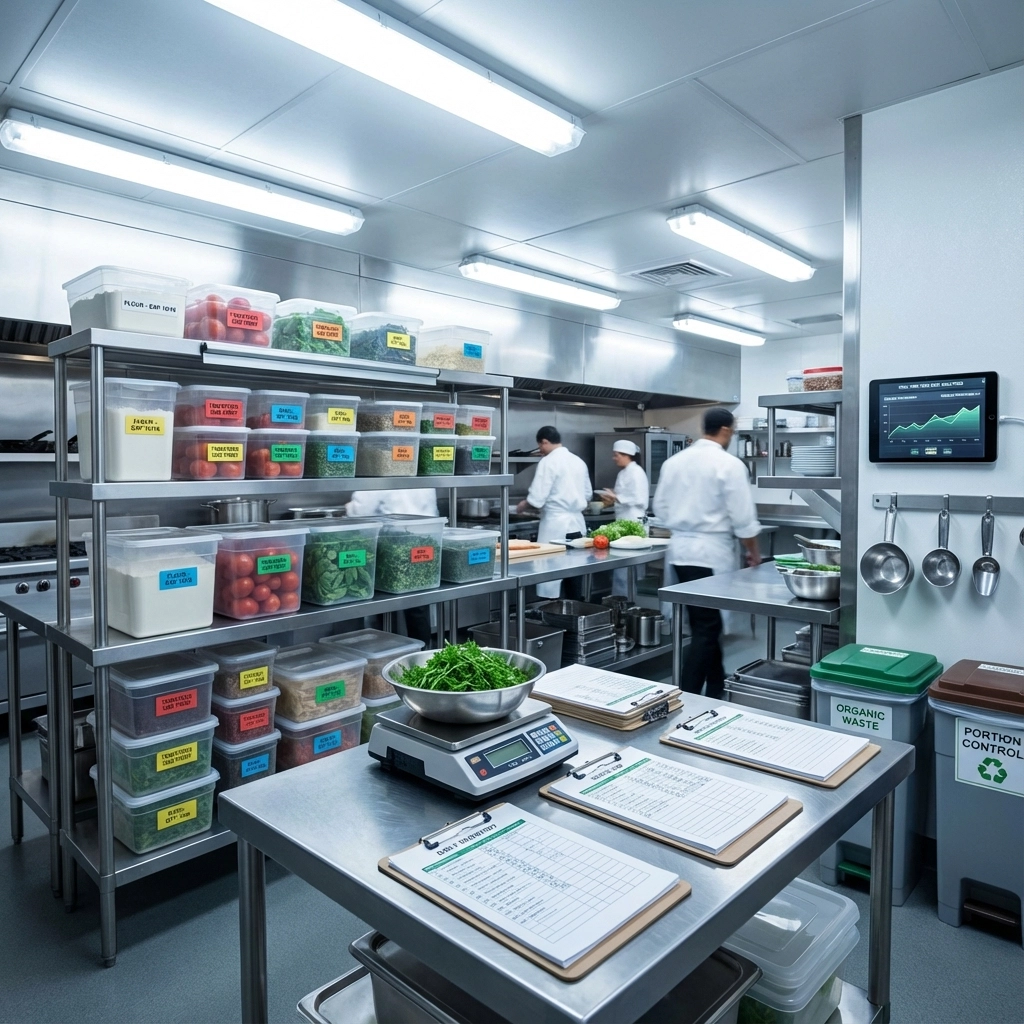
– Productivity-Based Labor Scheduling – Schedule based on revenue per labor hour rather than traditional coverage models
– Waste Elimination Systems – Implement daily tracking for food waste, energy usage, and supply consumption with weekly optimization reviews
– Cross-Training Investment – Train every team member in at least two positions to maximize scheduling flexibility and reduce overtime costs
– Technology ROI Tracking – Measure productivity improvements from every technology investment with specific metrics and monthly reviews
Supply Chain Optimization for Volatile Markets
Supply chain management is becoming a core competitive advantage rather than just an operational necessity. Successful operators are building direct relationships with local producers while maintaining backup suppliers for consistency.
The restaurants winning in 2025 have moved beyond simple vendor negotiations to collaborative partnerships where suppliers help optimize menu planning, seasonal offerings, and inventory management for mutual benefit.
Inventory management technology is finally mature enough to provide real-time insights that prevent both waste and stockouts while optimizing working capital allocation.
Technology Leadership: Building Your Competitive Moat
The Tech Stack That Actually Matters
Restaurant technology in 2025 isn't about having the newest gadgets: it's about creating integrated systems that improve both customer experience and operational efficiency simultaneously.
The most successful operators focus on three technology priorities: payment processing that reduces friction, kitchen management that improves speed and consistency, and customer relationship management that drives repeat business.
AI integration is moving beyond buzzword status into practical applications like inventory forecasting, staff scheduling optimization, and personalized marketing that actually increases revenue rather than just reducing costs.
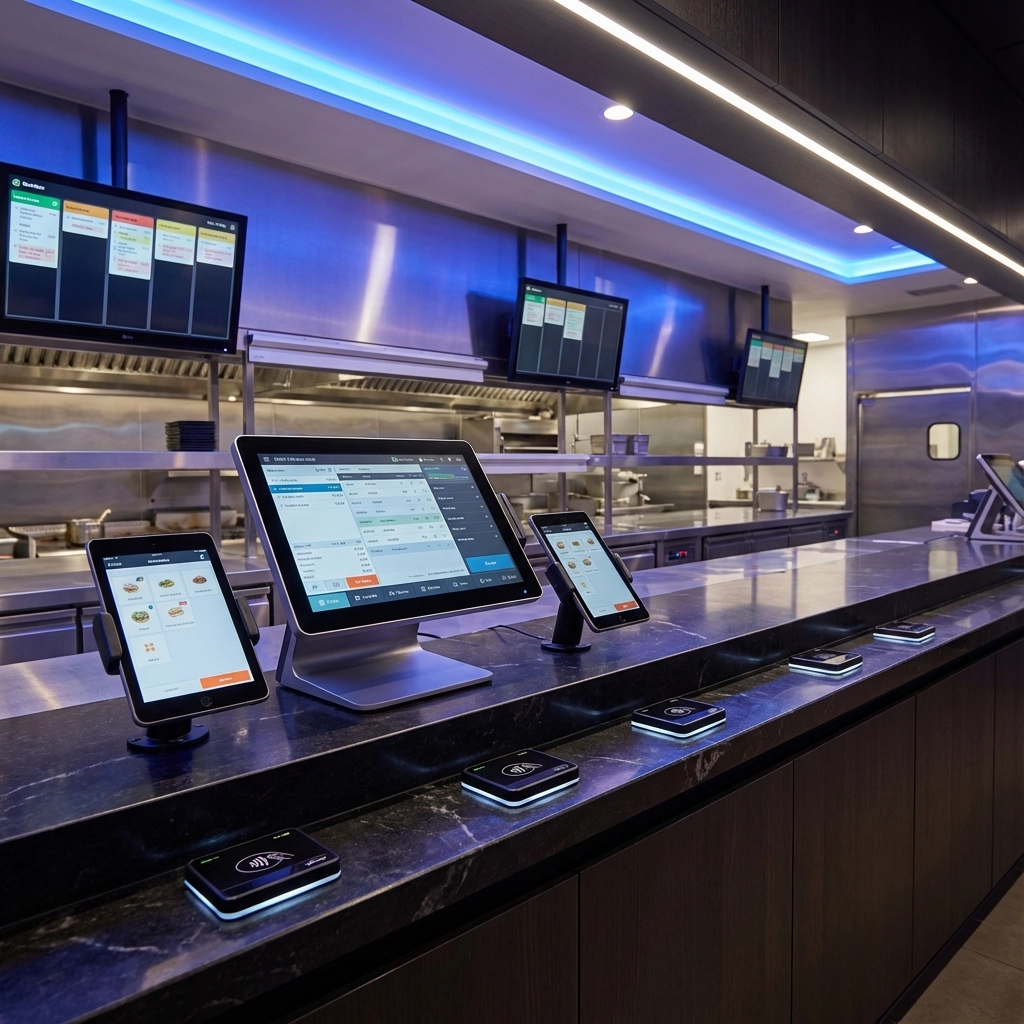
– Integrated POS Ecosystems – Choose systems that connect payment processing, inventory management, and customer data in real-time
– Kitchen Display Optimization – Implement technology that reduces ticket times while improving order accuracy and kitchen communication
– Customer Data Utilization – Use ordering history to create personalized promotions and menu recommendations that increase average ticket size
– Automated Reporting Systems – Set up daily, weekly, and monthly reports that identify trends before they become problems
Competing Against Delivery-Only Brands
Ghost kitchens and delivery-only concepts are permanent fixtures in the restaurant landscape, but they're also creating opportunities for smart traditional operators to differentiate themselves.
The experience economy gives traditional restaurants advantages that delivery-only brands can't replicate: community building, special occasion dining, and the social aspects of eating out that remain important to most consumers.
Successful traditional operators are leveraging their physical presence to create omnichannel experiences that combine in-person dining with delivery, catering, and retail opportunities that ghost kitchens simply cannot offer.
Consumer Behavior Evolution: Meeting Customers Where They Are
The Rise of Solo Dining and Customization Culture
Consumer dining patterns have permanently shifted toward solo dining experiences and highly customized food preferences that require operational flexibility most restaurants haven't developed.
Solo diners now represent 25-30% of weekday traffic for many successful restaurants, but most operators haven't optimized their spaces, service models, or menu offerings for this growing segment.
Customization expectations from younger consumers require menu flexibility and kitchen systems that can handle modifications without destroying efficiency or profit margins.
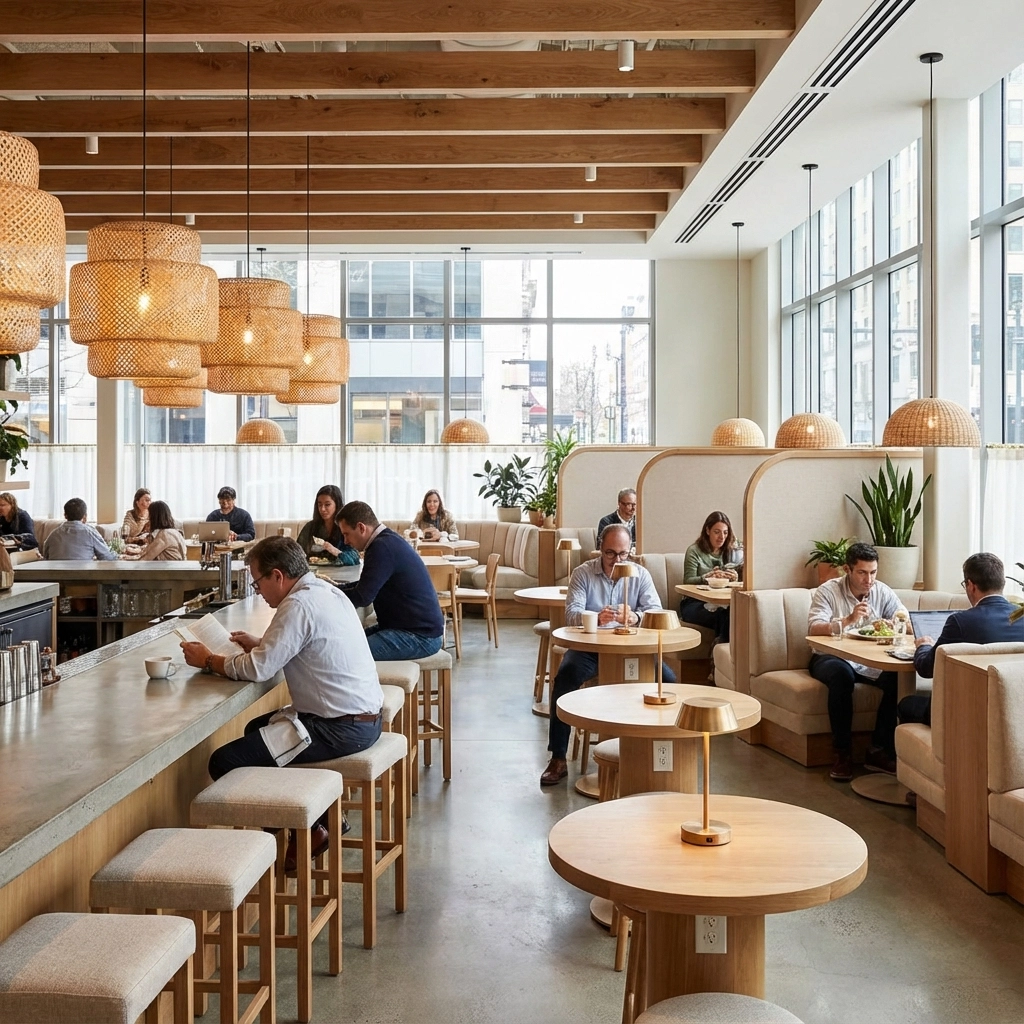
– Solo-Friendly Space Design – Create comfortable seating options for individual diners that don't feel awkward or isolated
– Customization-Capable Kitchen Systems – Design prep and cooking processes that accommodate modifications without slowing overall service
– Digital Ordering Integration – Implement systems that allow customers to customize orders easily while maintaining kitchen efficiency
– Community Building Programs – Create events and experiences that turn solo diners into regular customers and brand ambassadors
The Affordability Challenge and Value Perception
Price sensitivity is at all-time highs, but customers aren't just looking for cheap food: they're seeking perceived value that justifies their dining investment.
The restaurants succeeding in 2025 have mastered value engineering: creating menu items and experiences that feel premium while maintaining affordable price points through smart ingredient sourcing and preparation techniques.
Subscription dining models and loyalty programs are providing predictable revenue while giving customers better value than traditional discount-based promotions.
Labor and Supply Chain Mastery: Turning Shortages into Advantages
The Great Labor Transformation
The labor shortage isn't just about wages: it's about creating work environments that attract and retain quality team members in a fundamentally changed employment landscape.
Successful operators in 2025 offer flexible scheduling, clear advancement pathways, and compensation structures that reward performance rather than just tenure. They've also discovered that investing in employee experience directly correlates with improved customer satisfaction and financial performance.
Cross-training and skill development aren't just operational necessities: they're employee retention strategies that reduce turnover costs while improving service quality and operational flexibility.
– Flexible Scheduling Technology – Implement systems that allow team members to trade shifts and request time off easily
– Performance-Based Compensation – Create pay structures that reward productivity, customer satisfaction, and skill development
– Professional Development Programs – Offer training opportunities that help team members advance within your organization or develop transferable skills
– Employee Experience Measurement – Track employee satisfaction alongside customer satisfaction and financial metrics
Supply Chain Resilience Strategies
Supply chain disruptions are the new normal, requiring diversified sourcing strategies and flexible menu planning that can adapt to ingredient availability and price fluctuations.
The operators thriving despite supply challenges have built relationships with multiple suppliers, developed menu items with ingredient substitution capabilities, and implemented inventory management systems that predict and prevent stockouts.
Local sourcing partnerships provide supply chain stability while creating marketing opportunities and community connections that differentiate restaurants from chain competitors.
Your 2025 Restaurant Survival Toolkit
Weekly Operational Checklist
Monday: Financial Health Check
– Review weekend sales performance and cash flow
– Analyze food cost percentages by category
– Update 13-week cash flow projections
– Review upcoming payment obligations
Tuesday: Staff and Service Optimization
– Conduct team member check-ins and address concerns
– Review customer feedback from previous week
– Update training schedules and skill development plans
– Analyze labor productivity metrics
Wednesday: Menu and Marketing Analysis
– Review menu item performance and profitability
– Update seasonal offerings based on ingredient availability
– Analyze customer ordering patterns and preferences
– Plan promotional campaigns for upcoming period
Thursday: Technology and Systems Review
– Check all technology systems for optimal performance
– Review online reviews and social media engagement
– Update digital menu pricing and availability
– Analyze delivery platform performance
Friday: Competitive Intelligence and Planning
– Research competitor activities and pricing changes
– Review local market conditions and opportunities
– Update strategic plans based on performance data
– Prepare for upcoming week's execution
Monthly Strategic Assessment
Financial Performance Deep Dive
– Compare actual results to budget and projections
– Identify trends in revenue, costs, and profitability
– Review funding needs and growth opportunities
– Update annual financial forecasts
Operational Efficiency Analysis
– Evaluate kitchen productivity and service speed
– Review inventory management and waste reduction
– Assess technology ROI and system effectiveness
– Analyze staff retention and development progress
Market Position Evaluation
– Research industry trends and competitive landscape
– Review customer satisfaction and loyalty metrics
– Assess marketing effectiveness and brand strength
– Identify new revenue opportunities and partnerships
Conclusion: Your Competitive Advantage Starts Now
The restaurants that will dominate 2025 aren't the ones with the biggest budgets or the most locations: they're the ones that master these five critical areas while their competitors are still reacting to yesterday's challenges.
We've seen countless operators transform their businesses by implementing these strategies systematically rather than trying to change everything at once. The key is starting with financial resilience, building operational excellence, and then layering in technology and customer experience improvements that create sustainable competitive advantages.
The opportunity in front of restaurant operators right now is unprecedented. Market disruption is creating space for innovative operators to gain market share, build stronger customer relationships, and develop more profitable business models than ever before.
Your survival: and success: in 2025 depends on how quickly you can implement these strategies while your competitors are still hoping things return to "normal." The new normal rewards preparation, flexibility, and strategic thinking over reactive management and wishful thinking.
Ready to transform your restaurant's financial future? Visit Restaurant Finance Advisors to discover how we help restaurant operators implement these survival strategies and build businesses that thrive regardless of market conditions.
SEO Keywords: restaurant survival strategies 2025, restaurant funding alternatives, restaurant cost reduction, restaurant technology integration, restaurant labor shortage solutions, restaurant supply chain management, restaurant financial planning, restaurant competitive advantage, restaurant growth strategies, restaurant inflation management
Meta Description: Master the 2025 restaurant survival playbook with proven strategies for securing funding, reducing costs, leveraging technology, and building competitive advantages in an uncertain market. Expert insights for restaurant owners.
Outbound Links:


