

You ever notice how every restaurant, no matter how fancy or humble, has that one dish they're absolutely convinced will change your life? They call it their "signature dish," and it's always positioned right there at the top of the menu like it's running for president. I've been in this business long enough, from washing dishes to running marketing campaigns, to know that the more special something claims to be, the more likely you are to regret ordering it.
The Signature Dish Syndrome: When Special Means Spectacular Failure
We've all seen them: the "Chef's Famous Lemon-Wasabi Ribeye with Truffle Foam" or the "Artisanal Duck Confit Spring Rolls with Pomegranate Reduction." These menu items read like someone threw a culinary dictionary into a blender and hit the "pretentious" setting. And here's what really gets me, every single time a customer orders one of these masterpieces, the kitchen staff exchanges that look. You know the one. It's the same expression you'd have if someone asked you to explain cryptocurrency to your grandmother.
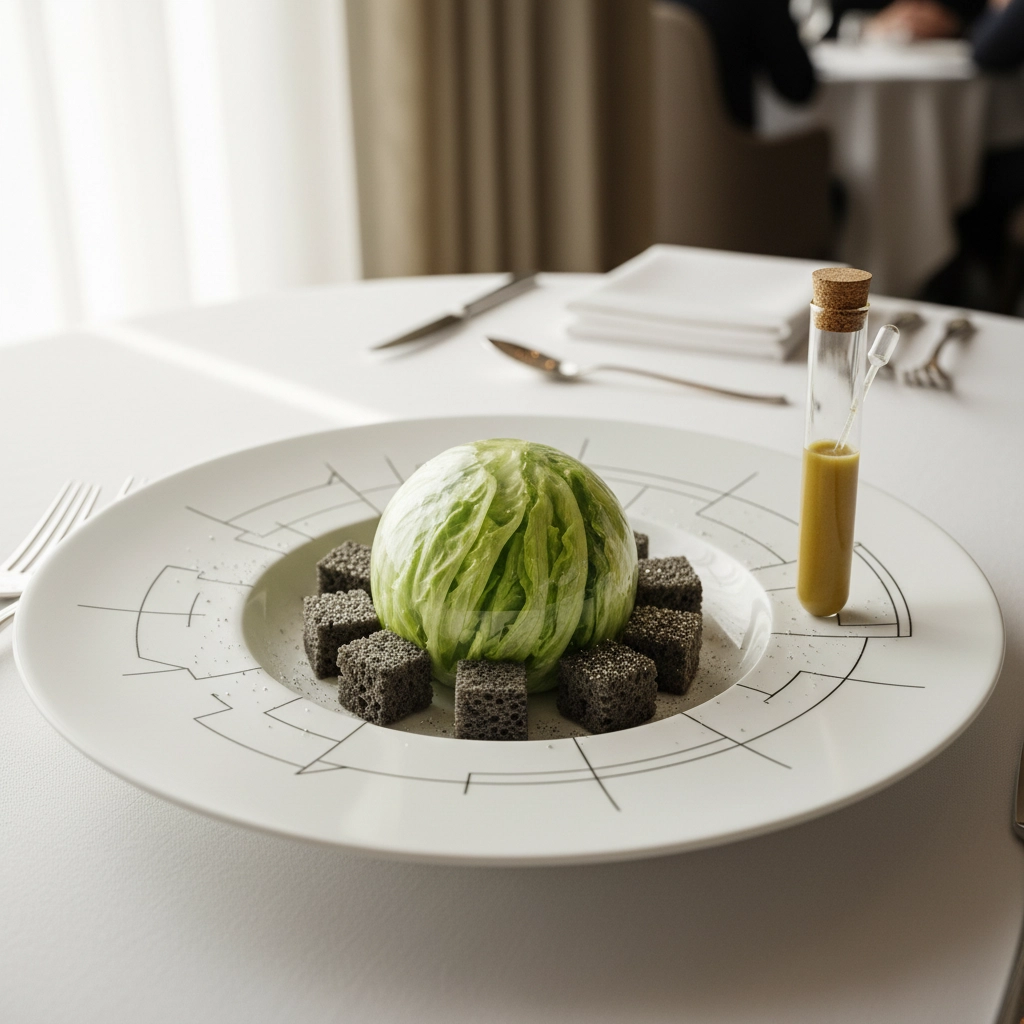
I remember working as a line cook when our chef introduced his signature "Deconstructed Caesar Salad Sphere." It was literally a ball of lettuce wrapped in some kind of edible film, served with croutons arranged like a architectural blueprint and dressing that came in a test tube. The poor servers had to explain this thing fifteen times a shift, and I watched grown adults stare at their plates wondering if they'd accidentally ordered a science experiment.
The truth about signature dishes is they're usually signature for all the wrong reasons:
– Kitchen Complexity – They require seventeen different techniques that slow down service and confuse new staff
– Ingredient Obscurity – They feature components that cost more than most people's car payments and taste like expensive grass
– Presentation Drama – They arrive at your table looking like modern art installations that nobody wants to disturb, let alone eat
– Customer Confusion – They leave diners wondering if they should eat it, photograph it, or call a food critic
The best signature dishes I've ever encountered were the ones that didn't announce themselves. The burger joint that makes their patties fresh every morning. The pizza place where the dough recipe hasn't changed since 1953. These places don't need to convince you their food is special, it just is.
The Great Bay Leaf Mystery: Nature's Most Overrated Seasoning
Now, let's talk about bay leaves. If you've ever worked in a kitchen, you know there's an unwritten rule: every soup, stew, or sauce must contain at least one bay leaf. Nobody questions this. Nobody explains it. It's just there, floating around like a culinary life preserver that nobody actually wants to grab.
I've been cooking professionally for years, and I still can't tell you what bay leaves actually do. They're supposedly "aromatic," but if you've ever accidentally bitten into one, you'll discover they taste like someone tried to make cardboard more interesting and failed. Yet every recipe calls for them, and every chef swears by them.
The bay leaf phenomenon perfectly captures everything absurd about restaurant culture:
– Tradition Without Reason – We do it because that's how it's always been done, even though nobody remembers why
– The Emperor's New Clothes Effect – Everyone pretends they can taste the difference, but remove them from a dish and see if anyone notices
– Kitchen Theater – Adding bay leaves makes cooks feel like they're performing some ancient culinary ritual
– Customer Mystique – Diners see that leaf in their soup and think, "Ah yes, this place knows what they're doing"
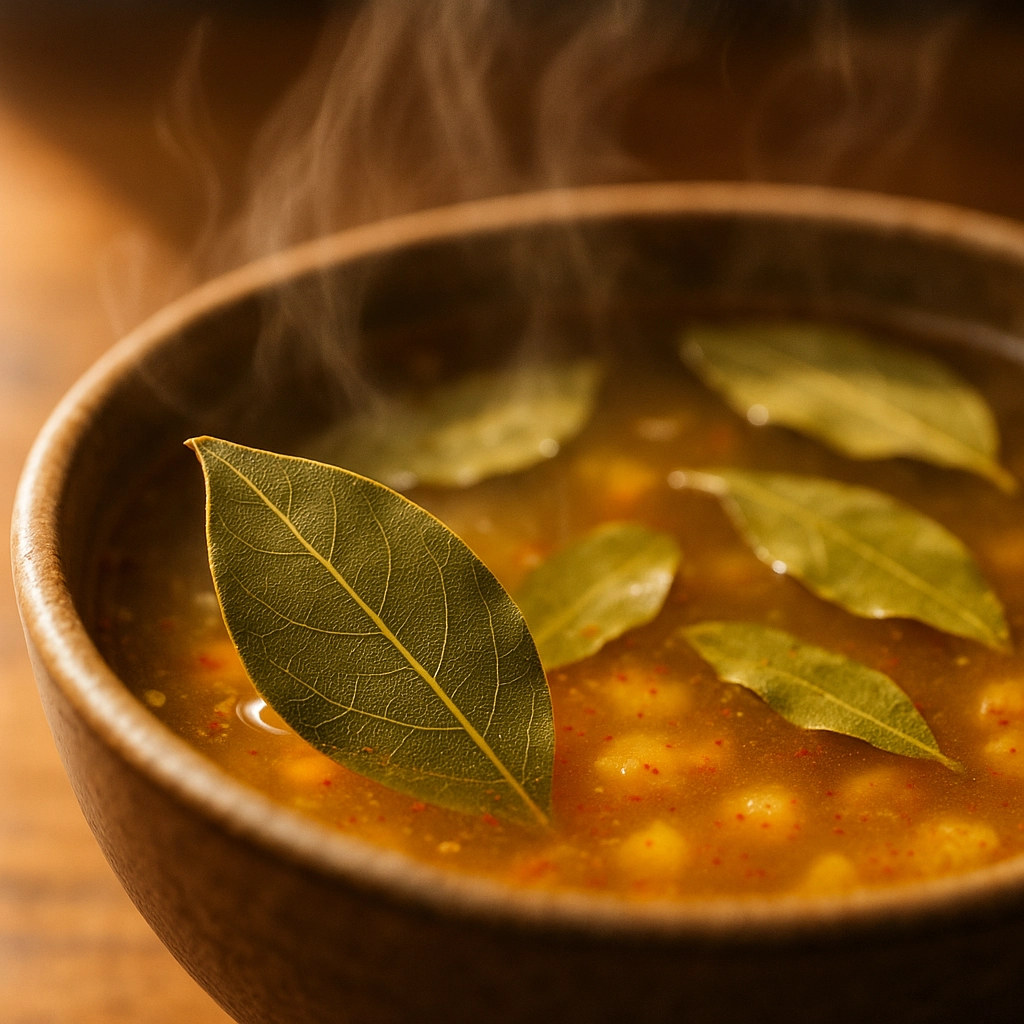
The real genius of bay leaves isn't their flavor: it's their marketing. They're the only ingredient that comes with a built-in warning label: "Remove before serving." It's like selling someone a car and saying, "Just remember to take out the engine before you drive it."
I once worked at a place where the chef was absolutely militant about bay leaves. Two per pot, removed after exactly forty-five minutes of simmering. One day, we ran out of bay leaves during a busy dinner rush. Did anyone notice? Did the customers revolt? Did the soup taste any different? Of course not. But you can bet that chef sent someone on an emergency bay leaf run like we were missing a crucial ingredient for life-saving surgery.
Microgreens: When Garnish Gets Delusions of Grandeur
And then we have microgreens. These little sprouts that look like they were harvested from a fairy garden and cost about as much as premium gasoline. Somewhere along the way, someone decided that regular lettuce was too pedestrian, too common, too… big. So they invented vegetables for people who think regular vegetables are showing off.
Microgreens are the participation trophy of the vegetable world. They sit on top of your entrée like they're doing you a favor, adding approximately zero nutritional value and negative-ten flavor impact. But restaurants love them because they can charge an extra eight dollars for what essentially amounts to expensive grass clippings.
Here's what microgreens have taught us about modern dining:
– Size Doesn't Matter – Except when it comes to markup. The smaller the green, the bigger the profit margin
– Presentation Over Substance – A plate looks "elevated" with microgreens, even if the food underneath tastes like cafeteria special
– Instagram Appeal – They photograph beautifully, which is apparently more important than tasting good
– Kitchen Convenience – They require no cooking skills whatsoever: just sprinkle and charge extra
I remember the first time I encountered microgreens. I was working as a server, and the chef explained that these tiny leaves would "brighten the dish with peppery notes and visual interest." I thought, "You know what would brighten this dish? Salt. You know what would add visual interest? Food that actually looks appetizing."
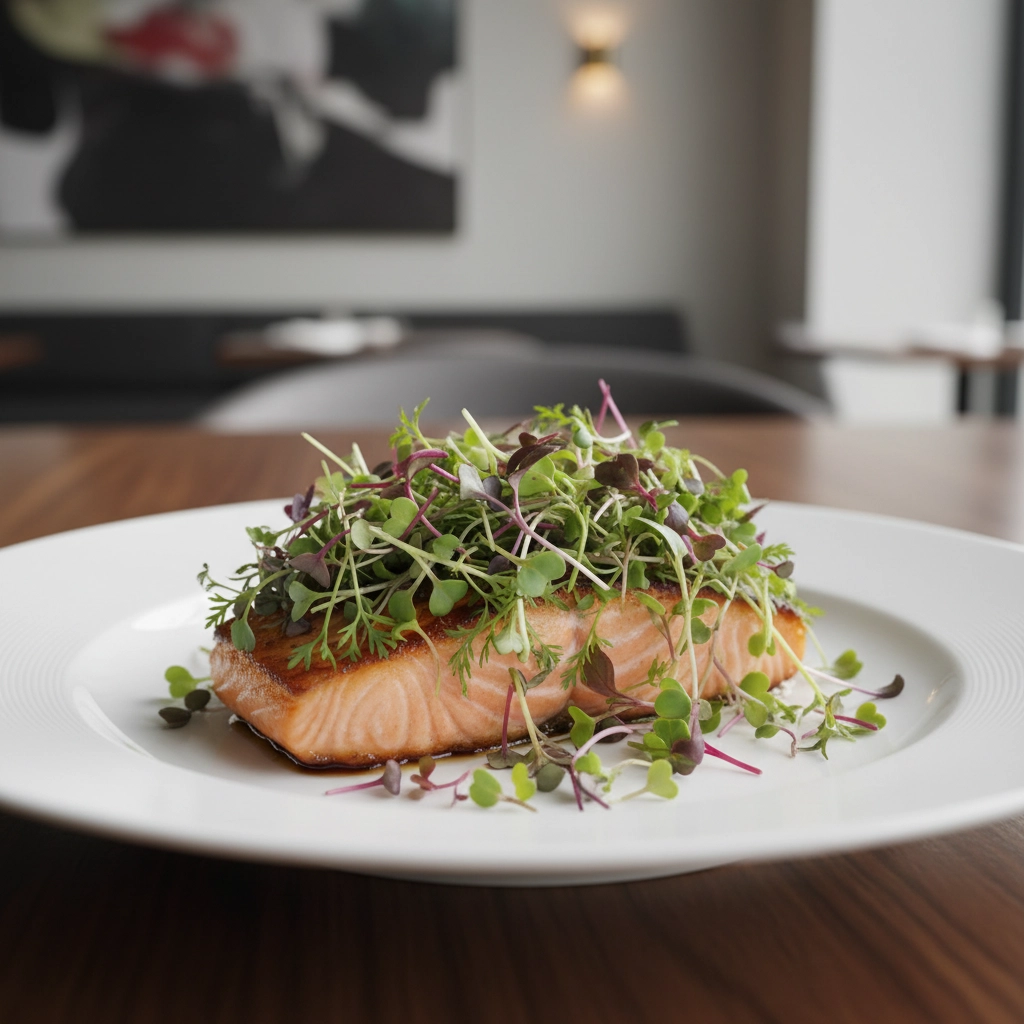
But customers ate it up, literally and figuratively. They'd Instagram their microgreen-topped meals with captions like "Farm to table excellence" and "Elevated dining experience." Meanwhile, I'm thinking these "farms" must be about the size of a window box, and the only thing elevated here is the check total.
The microgreen trend perfectly encapsulates everything wrong with modern restaurant culture: we've convinced people that smaller, more expensive, and less substantial somehow equals better. It's like the culinary equivalent of selling someone half a sandwich for twice the price and calling it "artisanal portion control."
The Real Recipe for Restaurant Success
After working every position from busser to director of marketing, I've learned that the best restaurants don't rely on gimmicks. They don't need signature dishes that require a manual to understand. They don't hide behind mysterious bay leaves or charge premium prices for baby vegetables. They focus on what actually matters: good food, fair prices, and honest service.
The most successful places I've worked understood a simple truth: customers want to enjoy their meal, not decode it. They want food that tastes good, service that doesn't make them feel stupid, and prices that don't require a second mortgage.
Our most profitable restaurants typically follow these principles:
– Simple Excellence – Master the basics before attempting molecular gastronomy
– Clear Communication – If a server needs a flowchart to explain a dish, it's too complicated
– Value Proposition – Charge for quality, not complexity
– Customer Comfort – Make dining enjoyable, not intimidating
The signature dish that really matters isn't the one with the fanciest name or the most exotic ingredients. It's the one customers order again and again, the one they recommend to friends, the one that keeps them coming back even when trendy new places open down the street.
So here's to all the restaurants out there serving honest food without the theatrical nonsense. Here's to the places where "signature" means "consistently good" instead of "confusingly overpriced." And here's to finally admitting what we all know: those bay leaves aren't fooling anyone, but that's okay: we're all in on the joke now.
Remember, in the restaurant business, the best signature is your reputation for serving food people actually want to eat. Everything else is just expensive garnish.
Keywords: restaurant anecdotes, Andy Rooney quotes, funny restaurant stories, signature dish humor, bay leaf in food, microgreens, restaurant industry insights, dining experience, menu engineering, restaurant marketing
Meta Description: An Andy Rooney-inspired take on restaurant culture's biggest absurdities: overpriced signature dishes, mysterious bay leaves, and pretentious microgreens. Honest insights from industry veterans.
Outbound Links:


