
December 2025 feels like a restaurant industry fever dream. While most operators are counting down to New Year's Eve service and praying their point-of-sale systems don't crash, the big chains are making moves that'll reshape how we think about restaurant growth, operational control, and brand identity.
We're witnessing seismic shifts that range from brilliant to catastrophic – and if you're an independent operator, these stories aren't just entertainment. They're a masterclass in what works, what doesn't, and where the money actually lives in this business.
Chipotle Hits 4,000 Units: The Growth Machine That Actually Works
Speed, Scale, and the Science of Chipotlanes
Chipotle just opened its 4,000th restaurant in Manhattan, Kansas – and before you roll your eyes at another chain milestone, consider this: they've grown from 2,300 locations in 2017 to 4,000 today. That's 1,700 new units in eight years, with their sights set on 7,000 North American locations.
The real story isn't the numbers – it's how they're doing it. Chipotle cracked the code on operational efficiency without sacrificing the brand experience. Their "Chipotlane" drive-thru concept now accounts for the majority of new builds, and here's why that matters for your restaurant growth strategy:
– Digital integration drives real revenue: Chipotlanes process digital orders 40% faster than traditional counter service
– Labor optimization scales profit margins: Dedicated digital fulfillment reduces front-of-house staffing needs while maintaining throughput
– Site selection becomes more flexible: Drive-thru capability opens suburban and highway locations previously off-limits
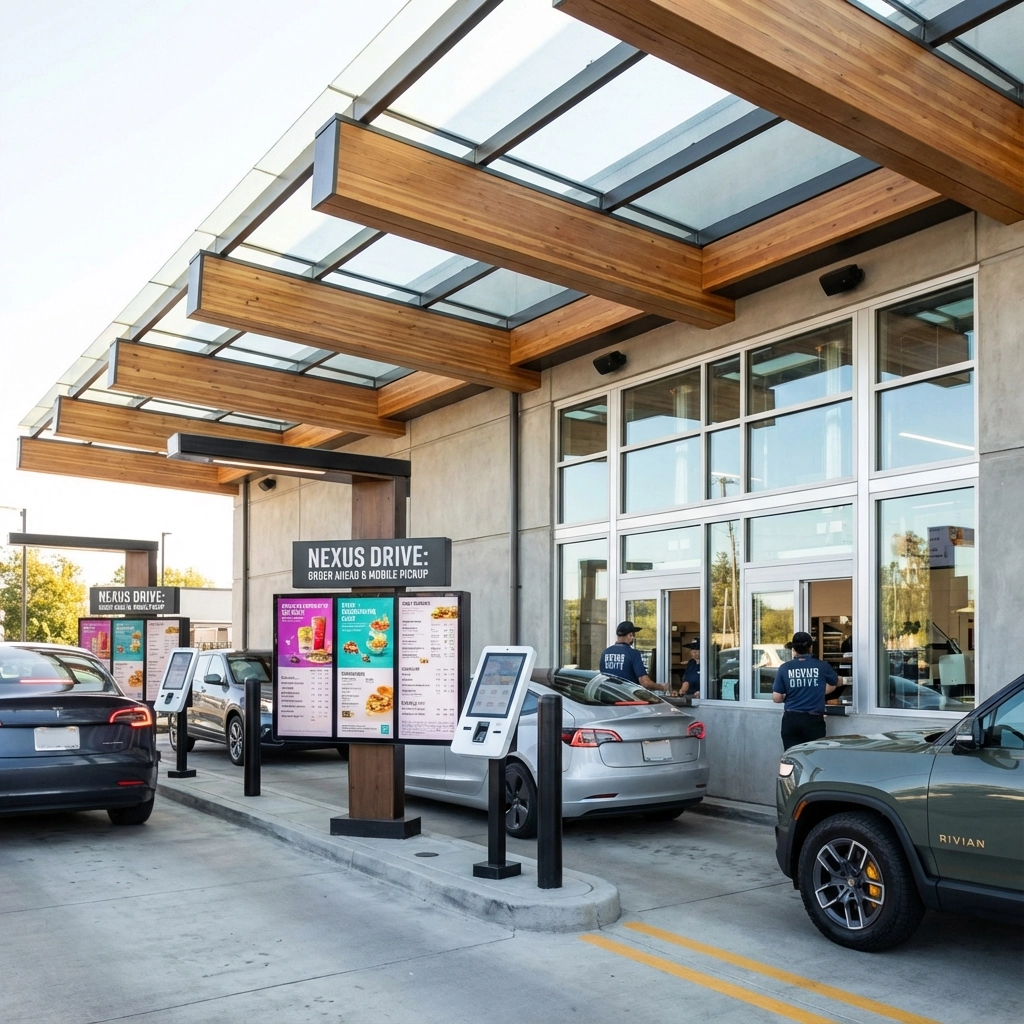
The takeaway for independent operators? Growth isn't just about opening more locations – it's about systemizing operations so efficiently that each new unit becomes a profit multiplier rather than a management headache. We've seen clients implement similar digital-first workflows that boost per-location revenue by 15-25% within six months.
Chick-fil-A's Ownership Revolution: When Licensed Becomes Local
The Death of the Traditional Franchise Model
Chick-fil-A is quietly revolutionizing restaurant ownership by converting their nontraditional licensed locations – think college campuses, hospitals, airports – to a true owner/operator model. This isn't just a corporate restructure; it's a complete reimagining of how restaurant investment and local engagement work.
Under the old system, these locations operated as licensed units with minimal local ownership stake. Now, Chick-fil-A is handing operational control and profit-sharing directly to on-site operators. Here's why this matters:
– Local ownership drives performance: Operators with skin in the game consistently outperform managed locations by 20-30%
– Community connection becomes competitive advantage: Hospital and campus locations now have advocates who live and work in those environments
– Investment barriers drop dramatically: New operators can access prime real estate without traditional franchise fees
For restaurant consulting purposes, this signals a massive shift in how we approach restaurant new business development. The franchise model that dominated for decades is giving way to partnership structures that prioritize local expertise over corporate control.
Cracker Barrel's Logo Catastrophe: When Branding Goes Broke
How a Design Change Tanked Revenue Forecasts
Meanwhile, Cracker Barrel proves that sometimes the smallest changes create the biggest disasters. After introducing a new logo design, customer traffic fell so dramatically that the company had to cut its revenue forecast for the quarter.
This isn't just about design preferences – it's about understanding your customer base at a molecular level. Cracker Barrel's demographic skews older, values tradition, and interprets change as betrayal. The logo refresh, however well-intentioned, sent a message that the brand was abandoning its core identity.
– Brand consistency drives customer loyalty: Long-established restaurants live or die on customer expectations
– Market research prevents expensive mistakes: A $50,000 customer survey could have saved millions in lost revenue
– Incremental change outperforms radical overhauls: Evolution beats revolution when dealing with traditional customer bases
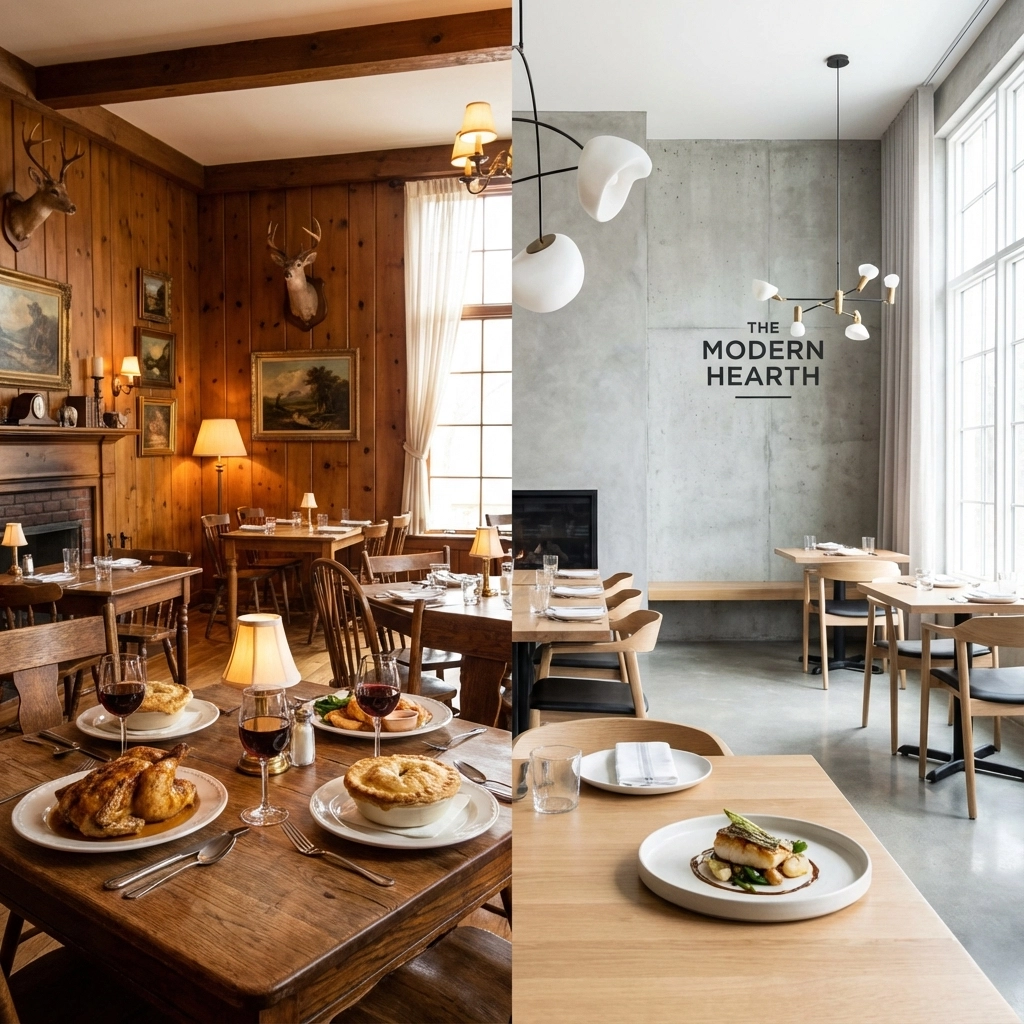
The lesson for independent operators is brutal but clear: Know your customers better than they know themselves. When we work with established restaurants on rebranding initiatives, we always recommend testing changes with core customers before rolling out company-wide.
The Penny Problem and Solo Diners: Micro-Trends with Macro Impact
Small Changes, Big Revenue Implications
Two seemingly minor trends are reshaping restaurant economics in unexpected ways. The National Restaurant Association is still addressing coin shortages – yes, in 2025 – while solo dining emerges as a major revenue driver as group traffic continues declining.
The penny shortage forces operational efficiency improvements that many restaurants should have implemented years ago:
– Digital payment adoption accelerates: Cash-optional operations reduce transaction time and theft risk
– Labor allocation shifts to value-add activities: Less time counting change means more time building customer relationships
– Pricing strategy simplifies: Round-number pricing reduces cognitive friction and speeds ordering
Solo diners represent the industry's fastest-growing segment, and smart operators are redesigning spaces and marketing specifically for single guests:
– Counter seating generates higher per-square-foot revenue: Solo diners spend more per person and turn tables faster
– Menu engineering targets individual portions: Right-sized offerings reduce waste and increase perceived value
– Marketing shifts from group experiences to personal indulgence: "Treat yourself" messaging outperforms "bring friends" campaigns
What Independent Operators Can Learn Right Now
Actionable Intelligence from Chain-Scale Experiments
These stories aren't just restaurant industry gossip – they're expensive market research conducted at scale. Here's how to find money your restaurants already have by applying these lessons:
– Systematize operations before expanding: Chipotle's growth model only works because they perfected efficiency first
– Consider partnership models over traditional hiring: Chick-fil-A's ownership shift reduces management overhead while increasing local investment
– Test all changes with core customers: Cracker Barrel's logo disaster was entirely preventable with proper market research
– Optimize for solo diners: Counter seating and individual-friendly menu items generate higher margins than group-focused layouts
– Embrace payment technology: The coin shortage pushes restaurants toward more efficient transaction processing
Restaurant consulting isn't about fixing what's broken – it's about identifying opportunities that already exist within your current operations. Every week, we see independent operators unlock 10-15% revenue increases simply by applying proven strategies that chains spent millions developing.
The End-of-Days Verdict
Survival Strategies for 2025 and Beyond
As we close out 2025, the restaurant landscape looks nothing like it did five years ago. The operators who thrive understand that restaurant growth comes from operational excellence, not just location expansion. They know that restaurant investment means putting money behind systems and people, not just equipment and real estate.
The chain examples prove that the fundamentals still matter: understand your customers, systematize your operations, and never underestimate the power of local ownership and investment. Whether you're running a single location or planning expansion, these principles determine success or failure.
We've spent years helping independent operators compete with chain-scale efficiency while maintaining local character. The strategies that work aren't complicated – they're just consistently applied. Chipotle's growth, Chick-fil-A's ownership innovation, and even Cracker Barrel's branding mistake all reinforce the same truth: restaurants succeed when they align operations with customer expectations and market realities.
The real end-of-days scenario isn't economic collapse or labor shortages. It's continuing to operate the same way while expecting different results. The money is there – in your current operations, your existing customer base, and your local market. You just have to be smart enough to find it.
Keywords: restaurant consulting, restaurant investment, restaurant new business, restaurant growth, find money your restaurants, restaurant operations, franchise models, digital ordering, solo dining trends, restaurant branding, operational efficiency, restaurant revenue optimization
Meta Description: December 2025 restaurant news reveals major shifts in growth strategy, ownership models, and customer behavior. Learn what Chipotle's 4,000th store, Chick-fil-A's ownership revolution, and Cracker Barrel's branding disaster mean for independent operators.
Outbound Links:


