
The restaurant apocalypse isn't coming, it's already here. December 2025 has delivered a cascade of industry upheavals that would make even the most battle-tested operators reach for the antacids. From franchise giants completely rewriting their playbooks to penny shortages forcing cash register rewrites, this month feels like the industry's equivalent of locusts descending on Egypt.
We've seen empires rise and fall faster than a Friday night ticket rail, but December 2025 hits different. The signs aren't subtle whispers, they're alarm bells screaming that the restaurant game as we know it is fundamentally shifting. Here's your survival guide to the five horsemen of the restaurant apocalypse currently galloping through your P&L.
Sign #1: Chick-fil-A Abandons Sacred Franchise Gospel
The chicken empire just torched its own rulebook. Chick-fil-A announced it's transitioning nontraditional locations, think college campuses, hospitals, and airports, from their traditional licensing model to a true owner/operator structure. This isn't a tweak; it's a complete philosophical flip.
For decades, Chick-fil-A's licensing model was gospel. Operators paid a fraction of typical franchise fees but gave up significant control and profit-sharing. Now they're handing the keys back to local operators, letting them run units independently and keep more profits.
Why this matters: When the most successful QSR franchise in America abandons a core business principle, it signals massive economic pressure. Chick-fil-A wouldn't make this move unless their current model was bleeding talent or underperforming. If they can't make licensing work in 2025's labor market, what does that say about traditional franchise structures?
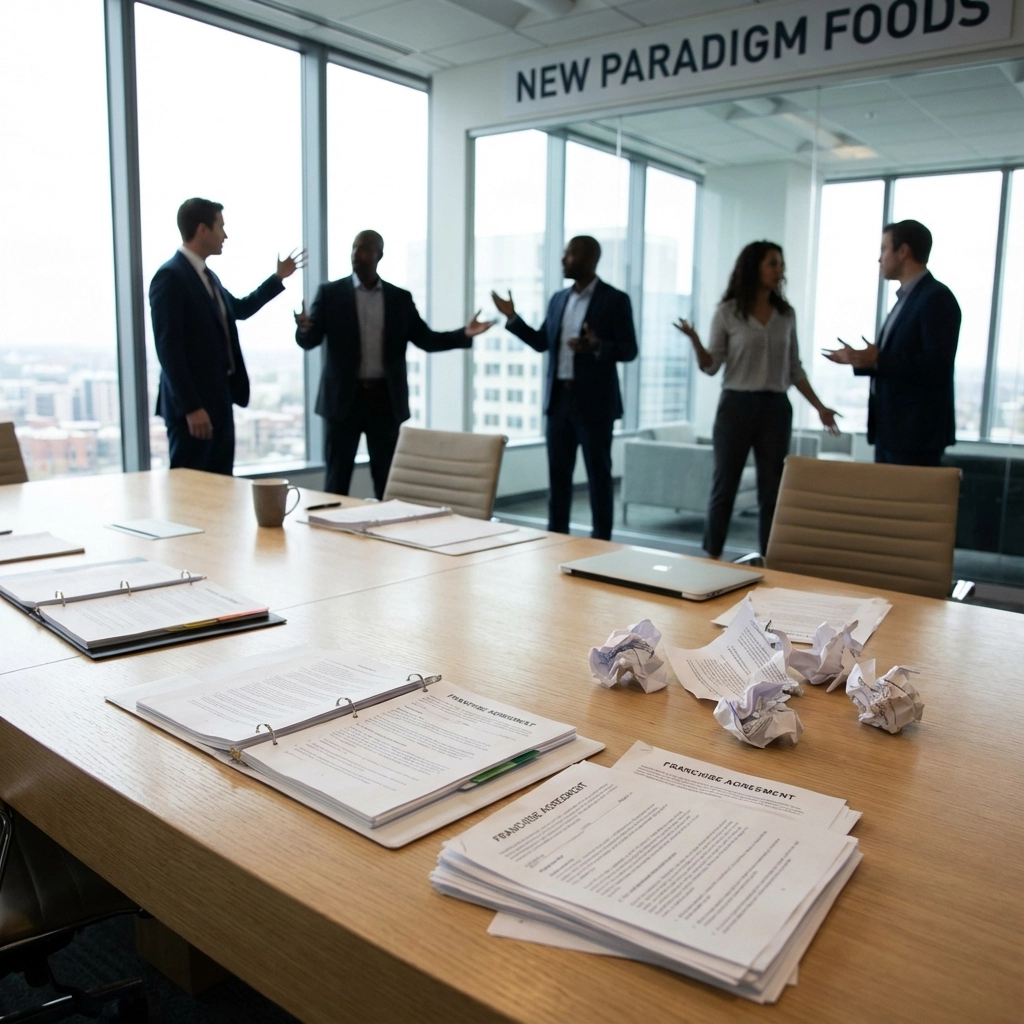
The lesson: Rigid operational models are cracking under modern pressures. Flexibility isn't just nice-to-have anymore, it's survival.
Sign #2: Chipotle's 4,000-Store Milestone Masks Industry Desperation
Chipotle just opened its 4,000th location in Manhattan, Kansas, aiming for 7,000 North American units. They've grown 70% since 2017, adding 1,700 locations while doubling down on "Chipotlanes" and efficiency tech. The milestone sounds triumphant, but dig deeper and it reveals something darker.
While Chipotle expands, the broader industry is contracting. Same-store sales across the industry cooled to just +1.1% year-over-year in September 2025, with traffic sliding -1.5%. Chipotle's growth isn't just success, it's market consolidation. They're eating everyone else's lunch while smaller operators close doors.
The brutal truth: Expansion during an industry downturn isn't optimism, it's conquest. Chipotle is picking up prime real estate and market share from failing competitors. Their 7,000-unit goal isn't ambitious; it's predatory.
The lesson: Scale wins wars. If you can't grow, you're eventually getting absorbed or eliminated.
Sign #3: Cracker Barrel's Logo Apocalypse Proves Branding Still Matters
Sometimes the smallest changes trigger the biggest disasters. Cracker Barrel slashed its revenue forecast after traffic plummeted following their controversial logo redesign. A simple branding refresh, something that should be routine, turned into a revenue-killing catastrophe.
This isn't just about aesthetics. Cracker Barrel's core demographic doesn't want change; they want consistency. The logo change felt like betrayal to customers who view the brand as a sanctuary from modern chaos. When your business model depends on nostalgia and comfort, evolution becomes revolution.
The deeper crisis: Consumer loyalty is more fragile than ever. In 2025's economic uncertainty, customers cling to familiar brands for emotional stability. Mess with that stability, and they'll punish you financially.
The lesson: Brand changes in uncertain times are playing Russian roulette with customer relationships. Sometimes staying exactly the same is the most radical strategy.
Sign #4: The Great Penny Shortage Signals System-Wide Breakdown
Yes, we're rationing pennies in 2025. The National Restaurant Association is actively seeking solutions to widespread penny shortages affecting operators nationwide. When the industry's primary trade organization has to problem-solve coin availability, you know we've entered bizarro world.
This isn't just an operational hiccup: it's a symptom of deeper systemic stress. Supply chains are still fragile, consumer payment habits have shifted, and even basic currency circulation is disrupted. Restaurants are scrambling to adjust POS systems and train staff on coin-shortage protocols.
The absurd reality: After surviving a global pandemic, labor shortages, and inflation spikes, operators are now battling Abraham Lincoln's profile on copper. The penny shortage feels like the universe's cruel joke, but it's disrupting real operations and customer experiences daily.
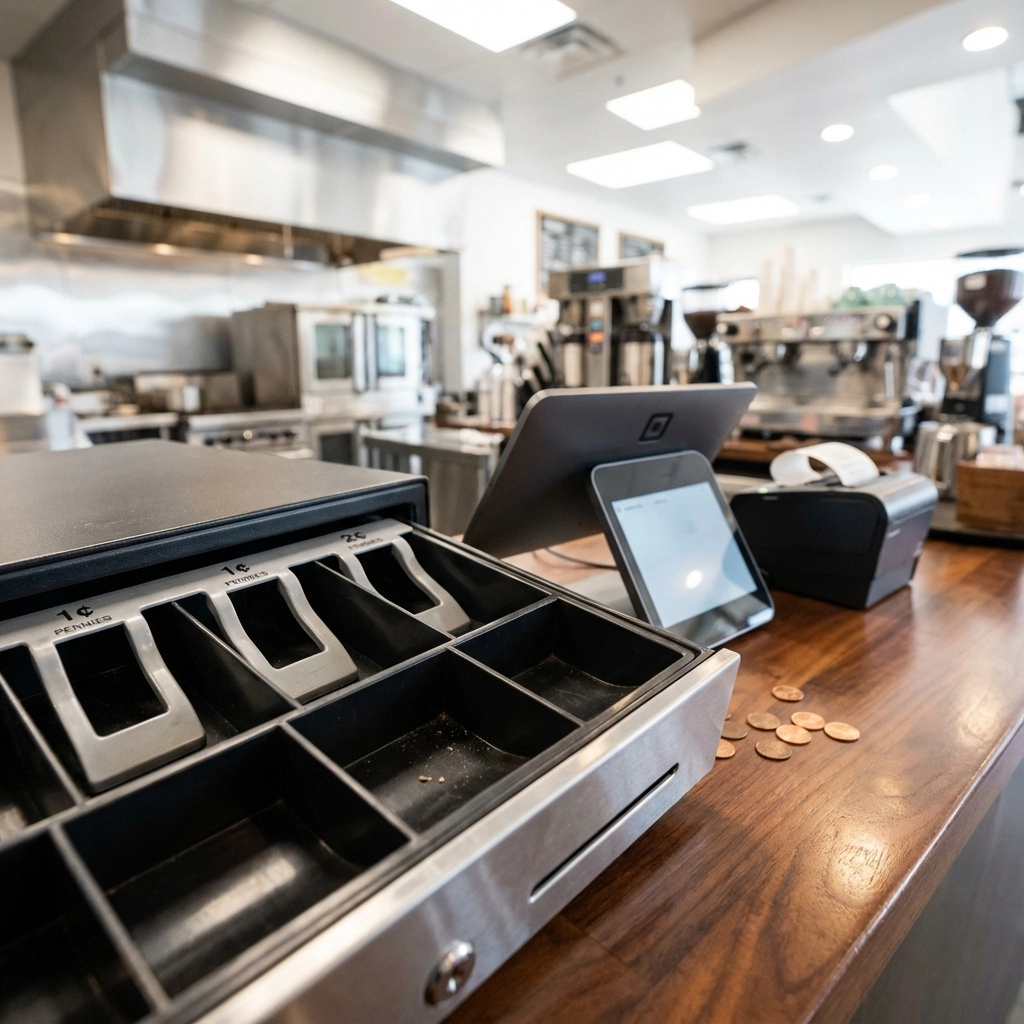
The lesson: Prepare for disruptions in the most mundane systems. If pennies can become scarce, nothing is guaranteed.
Sign #5: Solo Diners Become Economic Lifeline as Groups Disappear
The lone wolf diner is saving restaurants. Solo dining surged as a key revenue source as group traffic continues declining. Single guests aren't just filling seats: they're spending meaningful money while families and friend groups stay home.
This shift reflects profound social and economic changes. Group dining requires coordination, higher spending, and social energy that 2025's stressed consumers can't sustain. Solo diners offer restaurants predictable, lower-maintenance revenue without the complexity of large party management.
Forward-thinking operators are redesigning floor plans, adjusting marketing strategies, and creating solo-friendly experiences. Bar seating is premium real estate again. Counter service areas are expanding. The social dining experience that built the industry is being replaced by efficient, individual consumption.
The cultural earthquake: Restaurants built their identity on bringing people together. Now success means optimizing for separation. We're witnessing the atomization of dining culture in real-time.
The lesson: Adapt your concept to serve individuals, not just groups. The solo economy isn't a trend: it's the new foundation.
What Restaurant Owners Must Do RIGHT NOW
The apocalypse demands immediate action. These five signs aren't isolated incidents: they're interconnected symptoms of an industry transformation that won't wait for your comfort level.
– Embrace operational flexibility immediately: Rigid systems are cracking everywhere. Build adaptability into your model before circumstances force it.
– Focus on individual-optimized experiences: Design for solo diners, streamline for efficiency, and stop assuming groups will return to pre-2025 levels.
– Protect your brand identity fiercely: In uncertain times, consistency becomes currency. Don't change what customers rely on for comfort.
– Prepare for supply chain weirdness: If pennies can become scarce, any operational input can be disrupted. Build redundancy and alternatives.
– Study the winners ruthlessly: Companies like Chipotle aren't just succeeding: they're consolidating market share. Learn from their playbook or risk becoming their lunch.
The restaurant industry's end-of-days isn't about extinction: it's about evolution under extreme pressure. The operators who recognize these signs and adapt quickly will inherit the market share of those who don't.
Connect with us on LinkedIn for weekly insights on navigating industry disruption, or visit restaurantfinanceadvisors.com to discuss your adaptation strategy. In times like these, the right guidance isn't just valuable; it's survival insurance.
Keywords: restaurant industry trends 2025, Chick-fil-A franchise model, Chipotle expansion strategy, Cracker Barrel branding crisis, restaurant penny shortage, solo dining trends, restaurant apocalypse, food service disruption, restaurant consulting, hospitality industry changes
Meta Description: December 2025 brings five apocalyptic signs reshaping restaurants: Chick-fil-A abandons licensing, Chipotle's predatory expansion, Cracker Barrel's branding disaster, penny shortages, and solo dining dominance. Survival strategies inside.


