
Your restaurant is bleeding money right now. Not from some dramatic heist or embezzling manager, though I've seen both in my years working everything from busser to Director of Marketing, but from the quiet, everyday inefficiencies that most operators have learned to accept as "just how it is."
Here's the thing: 2026 isn't giving any of us a break. Inflation continues to squeeze commodity prices, labor costs keep climbing, and your guests still expect the same quality at prices they grumble about on Yelp. Raising menu prices again? That's a game of chicken nobody wins.
The good news? We've found that most restaurants are sitting on 2–6% in recoverable margin hiding in plain sight. No revenue increase required, just better execution of what you're already doing.
Let's dig into five operational wins that will help you find money your restaurant is already losing.
1. Stop Throwing Profits in the Trash: Master Food Waste Reduction
Food waste isn't just an environmental issue, it's your profit margin walking out the back door in garbage bags.
I still remember my first kitchen manager job, watching prep cooks trim filet mignons like they were being paid by the pound of scraps. Every gram of waste is money you've already spent that will never come back. Industry data shows restaurants can recover 2–6% margin improvement through systematic waste reduction alone.
Here's how we help operators attack this:
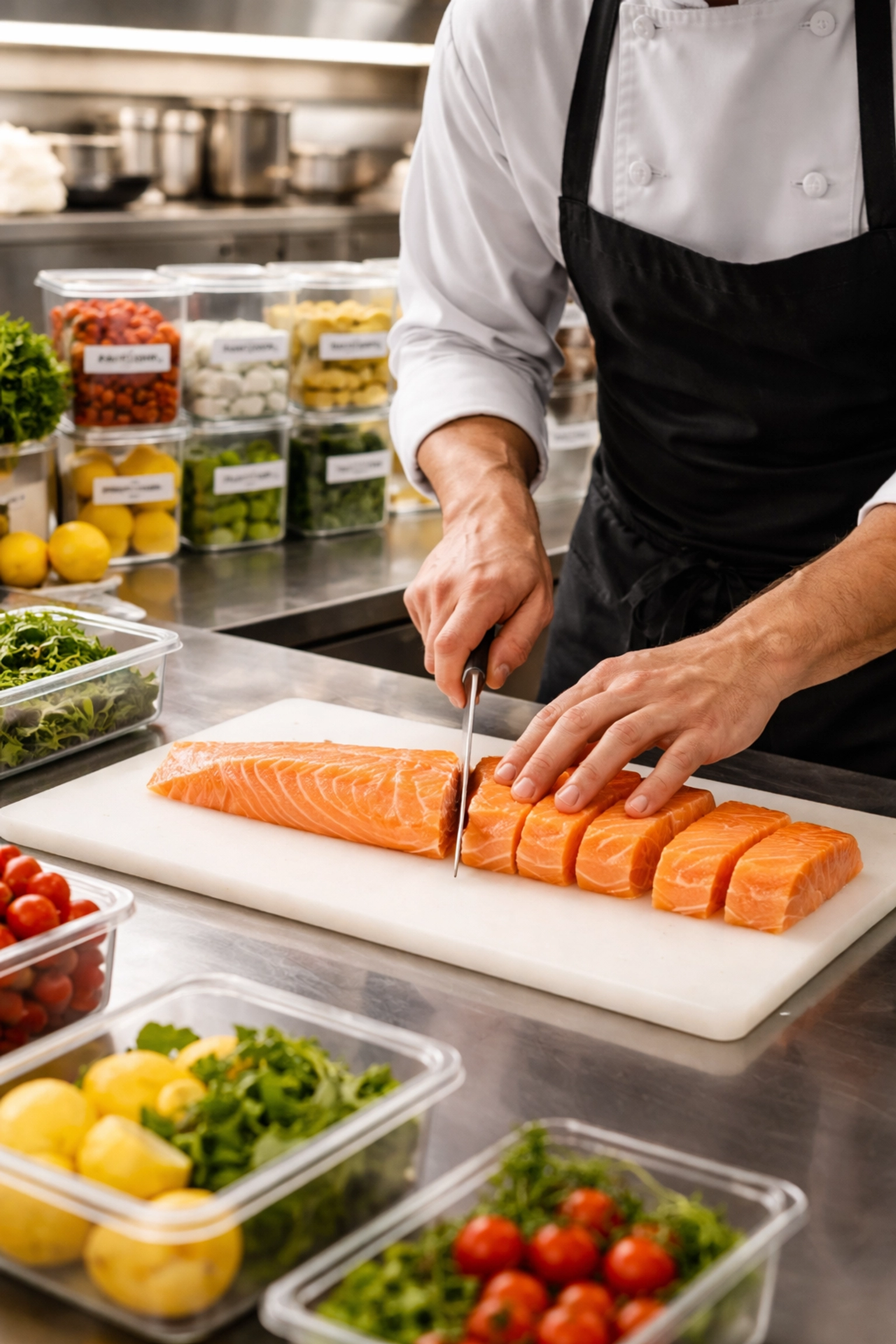
– Implement standardized portion control guides – Your line cooks shouldn't be eyeballing protein portions. Create visual guides with actual weights, and train religiously.
– Deploy FIFO storage systems – First In, First Out isn't revolutionary, but it's shocking how many walk-ins are organized like a teenager's bedroom.
– Track waste daily – What gets measured gets managed. A simple waste log reveals patterns faster than any consultant ever could.
– Repurpose trims creatively – Those vegetable ends become stock. Those protein trims become staff meal or specials. Your creativity here directly impacts your food cost percentage.
The restaurants we work with at Restaurant Finance Advisors typically see this as the fastest win, often within weeks of implementation.
2. Engineer Your Menu Like a Profit Machine
Most restaurants don't have a menu problem, they have a profit mix problem.
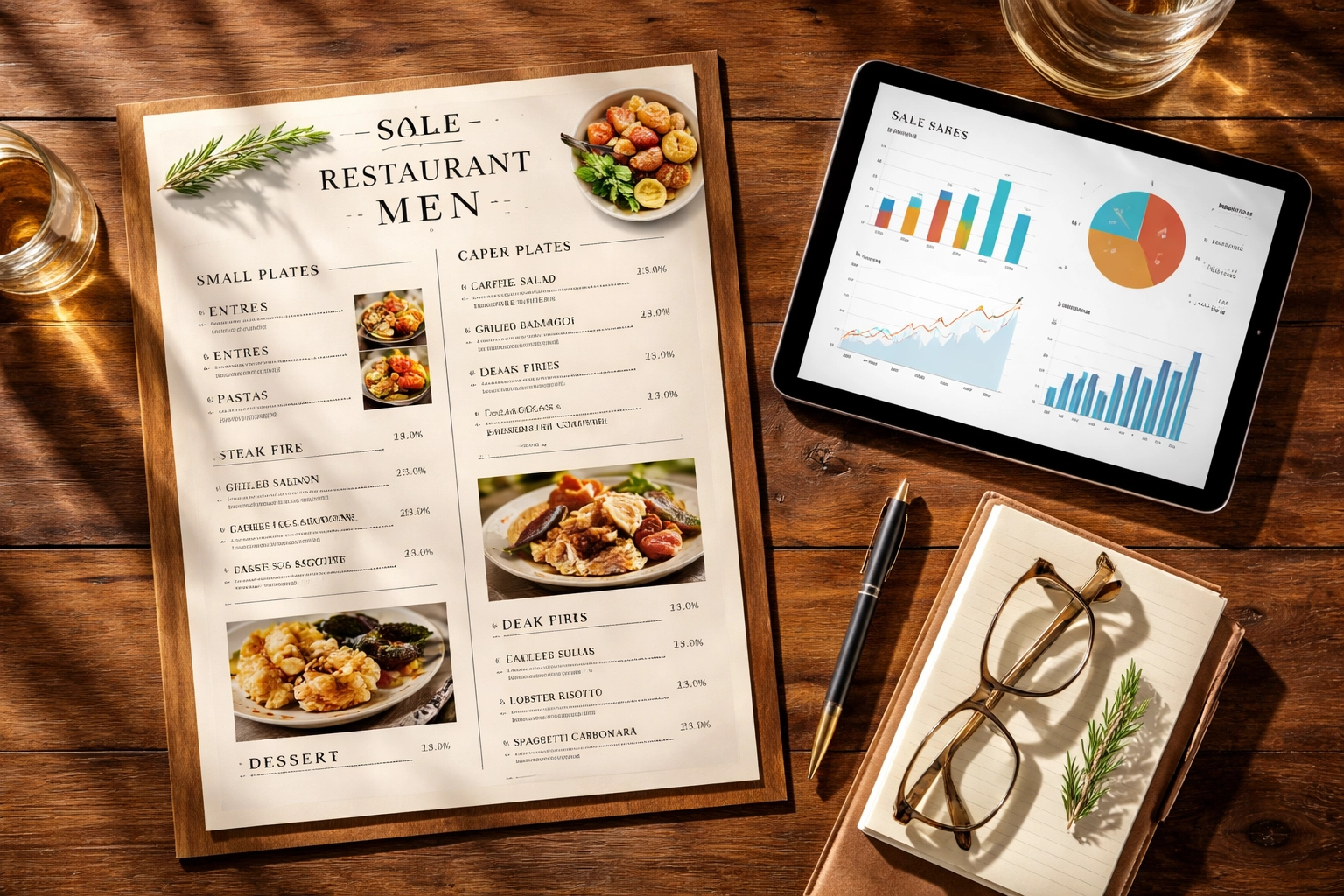
Menu engineering sounds fancy, but it's really just understanding which dishes make you money and which ones are charity work. As David Scott Peters often teaches, every menu item falls into one of four categories:
– Stars – High popularity, high profit. These are your golden children. Feature them prominently.
– Plowhorses – Popular but low margin. Your guests love them, but they're killing your food cost. Time for recipe re-engineering or strategic price adjustments.
– Puzzles – High profit but low popularity. Great margins, but nobody's ordering them. Better menu placement or server training can unlock hidden gold here.
– Dogs – Low popularity, low profit. Why are these still on your menu? Seriously, why?
Restaurants using modern menu engineering typically add 2–5% to their bottom line within months. Place high-margin items in the "hot zones" (top right corner gets the most eyeball attention, it's science, not opinion), use descriptive language that elevates perceived value, and stop letting underperformers take up valuable real estate.
Your menu isn't a historical document. It's a living, breathing profit tool.
3. Schedule Smarter, Not Harder: Labor Optimization
Labor is your largest controllable cost, yet most operators schedule like they're throwing darts blindfolded.
I've worked under managers who scheduled based on "gut feel" and others who used actual sales data. Guess which restaurants were profitable? Labor scheduling platforms like 7shifts and Toast have made this easier than ever, but the fundamentals still matter:
– Roster based on historical sales data – Your Tuesday lunch doesn't need the same coverage as Saturday dinner. Match labor to actual demand patterns.
– Cross-train relentlessly – A server who can expo, a cook who can prep, a host who can bus, flexibility reduces the need for redundant staffing.
– Eliminate overtime through better planning – Overtime isn't a badge of honor; it's a sign of scheduling failure. Plan your week, not just your day.
– Leverage technology for guest-facing tasks – QR code menus and counter ordering aren't about replacing hospitality, they're about freeing your team to provide better service where it matters.
Even small reductions in inefficient scheduling compound dramatically across weekly payroll. A 2% labor cost reduction on a $2M annual revenue restaurant? That's $40,000 back in your pocket.
4. Consolidate Vendors and Control Purchasing
Fewer vendors mean stronger negotiating power, and fewer invoices giving you heartburn.
Here's a confession: early in my career, I thought having multiple vendors for the same category meant I was "keeping them honest." In reality, I was just diluting my purchasing power and creating chaos in receiving.
Smart operators know the vendor relationship game:
– Compare supplier price lists weekly – Monthly reviews mean you're catching problems 30 days too late. Make this a non-negotiable routine.
– Implement order guides – Stop letting line cooks order on impulse. Create standardized guides that prevent the "oh, we're out of this" emergency orders that always cost 40% more.
– Use forecast-based ordering – Your POS has sales data. Use it to predict what you'll need instead of guessing and over-ordering "just in case."
– Build genuine supplier partnerships – Transparent communication and reliable payment history unlock better pricing and priority service when supply chains get weird (and they always do).
These changes directly attack your largest controllable cost after labor. Every dollar saved here drops straight to the bottom line.
5. Turn Tables Faster Without Rushing Guests
Serving more customers with the same footprint increases revenue without increasing fixed costs.
Table turnover optimization isn't about hustling guests out the door: it's about eliminating the dead time they don't even notice. Nobody wants to wait longer for their check or sit at a dirty table, so fixing these issues actually improves the guest experience.
– Deploy handheld or tablet ordering systems – Orders hit the kitchen faster, and servers spend less time running back and forth to terminals.
– Streamline front-of-house workflows – Watch your service flow during a busy shift. Where are the bottlenecks? Address them ruthlessly.
– Offer express lunch menus – Business diners want speed. Give them a curated, fast-executing menu option and they'll love you for it.
– Optimize your seating layout – Sometimes the solution is as simple as reconfiguring tables to increase covers without cramping guests.
– Position prep stations strategically – Speed of service often starts in the kitchen. Make sure your layout supports quick, consistent execution.
Faster table turns recover money through better utilization of assets you're already paying for: rent, utilities, insurance. It's restaurant growth without restaurant investment in new locations.
The Bottom Line: Small Wins Create Big Results
Even a 1–2% increase in profit margin can dramatically improve your restaurant's long-term sustainability and cash flow. These aren't theoretical concepts: they're operational realities we help restaurants implement every day.
At Restaurant Finance Advisors, our approach is simple: risk-free, results-based turnarounds. We don't get paid unless you see real improvement. That's how confident we are in these strategies: and how committed we are to being your partner, not just another consultant collecting fees while your restaurant struggles.
2026 is challenging, but it's also full of opportunity for operators willing to look inward before looking for the next shiny solution. The money is there. Let's go find it together.
Keywords: restaurant consulting, restaurant investment, restaurant new business, restaurant growth, find money your restaurants, food cost analysis, menu engineering, restaurant automation
Meta Description: Stop leaking profits in 2026. Learn 5 practical operational strategies to protect your restaurant margins and find hidden revenue without raising prices.
Outbound Links:


