
The days of scribbling orders on grease-stained tickets and running credit cards through ancient terminals are officially over. Well, mostly, I've seen some holdouts that make me wonder if they're running a restaurant or a museum exhibit. But here's the truth: the front-of-house technology revolution isn't coming. It's already here, and it's printing money for the operators who get it right.
Having worked every position from bussing tables to directing marketing (yes, I've spilled just as much coffee as I've crafted campaigns), I've watched restaurant technology evolve from "nice to have" to "you're leaving money on the table without it." And when we talk about powerhouses reshaping how guests interact with restaurants, one name consistently dominates the conversation: Toast.
The Toast Revolution: More Than Just a Point-of-Sale
Toast didn't just build a better mousetrap, they built an entire ecosystem that turns your front-of-house into a revenue-generating machine. Here's what separates the winners from the "we'll just keep doing it the old way" crowd:
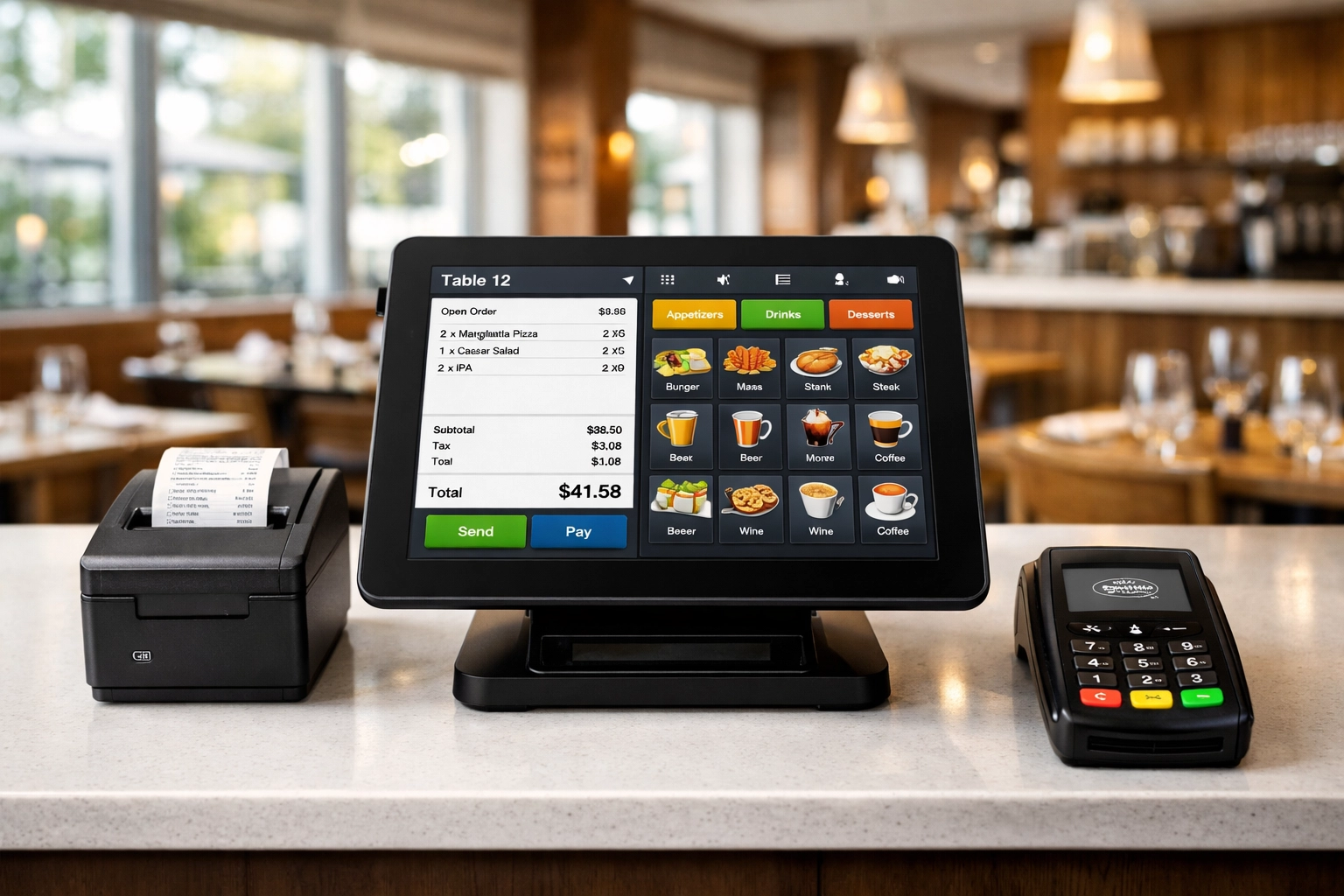
– Cloud-based infrastructure means your entire operation syncs in real-time. Server rings in a medium-rare ribeye at table 12? The kitchen knows instantly, inventory adjusts automatically, and your food cost calculations update before the steak hits the grill. No more end-of-night reconciliation nightmares that make you question your life choices.
– Integrated online ordering and delivery management that doesn't require your hosts to juggle three different tablets like some sort of circus act. Toast processes orders from your website, third-party apps, and walk-ins through one unified system. Translation: fewer mistakes, faster service, and servers who don't want to throw iPads at the wall.
– Guest data that actually matters because the platform tracks ordering patterns, preferences, and visit frequency. Remember when "knowing your regulars" meant having a photographic memory and hoping your best server didn't call out sick? Now the technology remembers that Karen from table 7 always orders her salmon with extra lemon and no capers.
– Payment processing that doesn't make grown operators cry when they see their monthly statements. Competitive rates, same-day deposits, and built-in tip pooling that actually works according to your house rules.
The real genius? Everything talks to everything else. Your POS connects to your loyalty program, which feeds your email marketing, which drives your reservation system, which informs your labor scheduling. It's beautiful when it works, and terrifying how much money you're losing when it doesn't.
Why Tech Integration Became Non-Negotiable in 2026
The restaurant landscape shifted so dramatically that operators without integrated technology aren't just behind, they're bleeding revenue they don't even know they're losing. Let me paint a picture from the trenches:
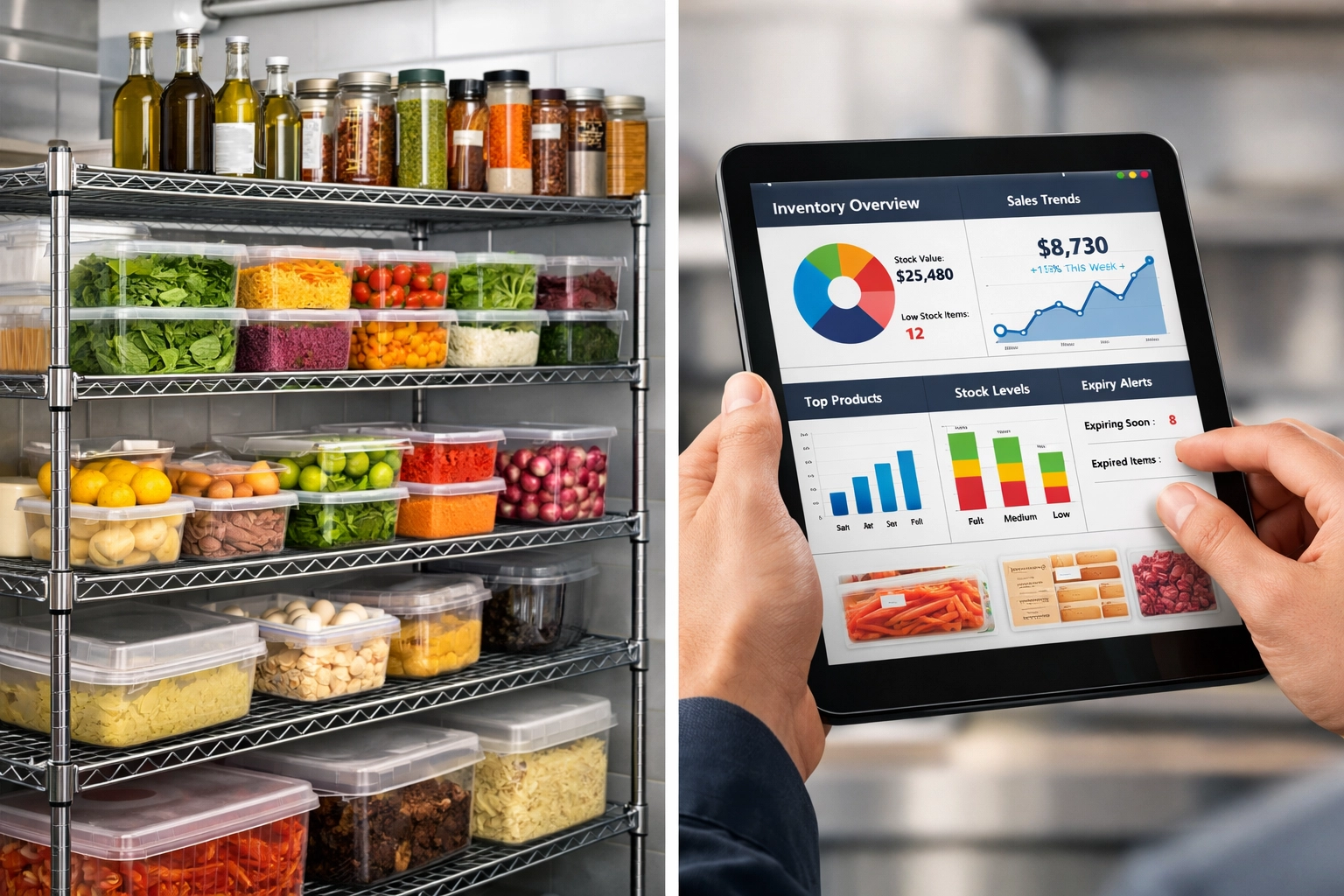
I once managed a concept where we tracked inventory on spreadsheets and hoped for the best. Our food costs floated between 28% and 37% depending on which week you checked and whether Mercury was in retrograde. When we finally implemented proper tech integration, we discovered we were over-portioning proteins by 15%, failing to 86 items that were already out of stock (leading to disappointed guests and comped meals), and employing a prep cook who apparently thought "two tablespoons" was a suggestion rather than a recipe requirement.
The modern guest expects:
– Frictionless ordering whether they're sitting at your bar, ordering from their couch, or picking up curbside. They don't care about your operational challenges, they want their burrito bowl in 20 minutes or they're moving on to the next option.
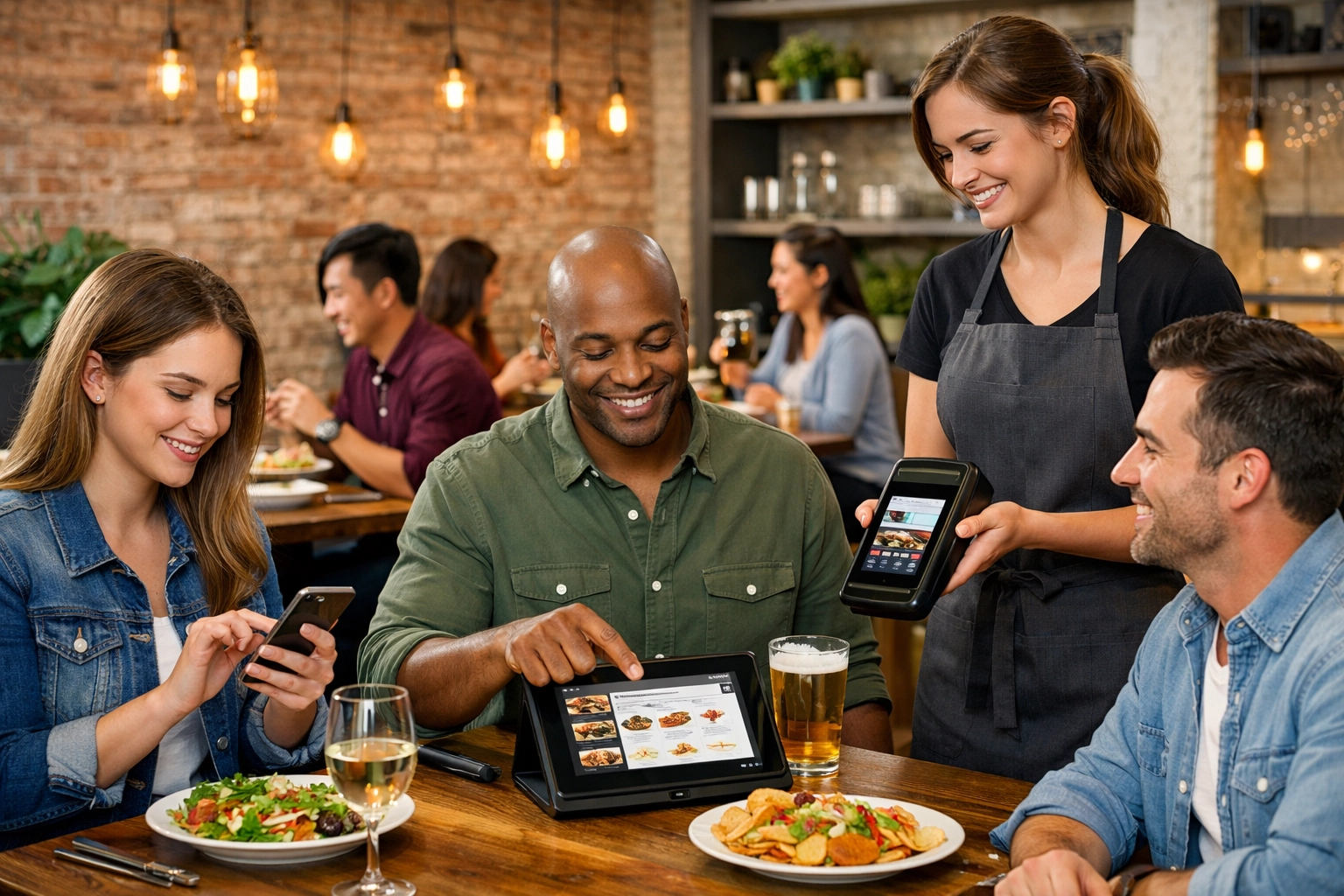
– Personalized experiences that remember their preferences without the awkwardness of them having to repeat themselves. AI-powered guest intelligence isn't science fiction anymore, it's the baseline expectation for any restaurant serious about restaurant growth.
– Multiple payment options including contactless, mobile wallets, and yes, still cash (though watching anyone under 30 try to calculate a 20% tip on cash is genuinely entertaining).
– Real-time updates on wait times, order status, and table availability. The days of "call us when you get here" are as dead as well-done steaks should be.
Here's what keeps me up at night: restaurants operating without integrated technology aren't just providing worse service: they're making critical business decisions based on incomplete or inaccurate data. That's like trying to cook blindfolded using ingredients you can't identify. Possible? Maybe. Advisable? Absolutely not.
Finding Hidden Money in Your Tech Stack
The real magic happens when we stop thinking about technology as an expense and start recognizing it as a diagnostic tool that reveals where your profits are hiding. And trust me, in most restaurants, there's money hiding in places you'd never think to look.
We work with operators who assumed they understood their business until data revealed some uncomfortable truths:
– Menu engineering powered by real transaction data shows which items customers actually want versus what you think they want. That "signature dish" you're convinced defines your brand? It might be selling at half the rate of the chicken sandwich you barely promote, with worse margins to boot. Real-time analytics from platforms like Toast tell you exactly which items drive profit and which ones are just taking up valuable menu real estate.
– Labor optimization based on actual traffic patterns rather than educated guesses. Your POS data reveals that Thursday lunch is dead and Saturday brunch is understaffed by two servers and a food runner. Adjusting your schedule based on hard data instead of tradition saves thousands monthly in unnecessary labor costs.
– Inventory tracking that catches the slow leaks bleeding your margins. That bottle of premium tequila that went from full to empty without corresponding sales? Your integrated beverage system catches that. The prep cook using twice as much cheese as the recipe calls for? Your recipe costing software flags the variance before it destroys your food cost targets.
– Third-party delivery optimization that shows you're paying 30% commission for orders with an average check of $18. The math doesn't work, but you wouldn't know that without integrated reporting showing true profitability by channel.
– Guest retention metrics revealing that first-time visitors have a 12% return rate while your email-captured guests return at 47%. That's not luck: that's actionable intel for your marketing strategy.
The restaurant consulting work we do always starts with the same question: where is your technology telling you money is slipping through the cracks? Nine times out of ten, operators are shocked by what the data reveals.
How We Help Navigate the Tech Maze
Here's the uncomfortable truth: most restaurant investment in technology fails not because the technology is bad, but because operators implement the wrong stack for their specific concept. A full-service fine dining restaurant needs different solutions than a fast-casual chain, which needs different tools than a ghost kitchen operation.

We've seen operators spend six figures on enterprise-level solutions designed for 50-unit chains when they're running two locations. We've also seen growing concepts try to scale on entry-level systems held together with digital duct tape and prayer. Neither scenario ends well.
Our approach to restaurant new business technology integration focuses on:
– Right-sizing your investment to match your current operation and planned growth trajectory. You don't need every bell and whistle, but you absolutely need the features that protect margins and improve guest experience.
– Ensuring true integration between systems rather than creating a Frankenstein's monster of platforms that don't communicate. Your POS should talk to your accounting software. Your reservation system should feed your email marketing. Your online ordering should integrate with your loyalty program. When systems don't talk, data gets lost: and lost data equals lost revenue.
– Training your team properly because the fanciest technology is worthless if your staff can't or won't use it. I've personally watched $40,000 kitchen display systems gather dust because nobody bothered teaching the line cooks how they work.
– Building in scalability so you're not ripping and replacing your entire tech stack every 18 months as you grow. The cost of switching systems: in both hard dollars and operational disruption: is massive.
– Monitoring the ROI on every technology investment. If a tool isn't paying for itself through increased revenue, reduced costs, or improved efficiency, it's a hobby, not a business investment.
The companies leading this revolution: like Toast, Olo, and others featured regularly on Hospitality Tech: understand that restaurants need partners, not vendors. They're building platforms that grow with you, adapt to your concept, and most importantly, help you find money your restaurants are currently leaving on the table.
The Bottom Line: Technology Is Your Competitive Advantage
In 2026, your technology stack isn't just operational infrastructure: it's your competitive moat. The restaurants crushing it aren't necessarily serving better food or offering lower prices. They're leveraging technology to deliver experiences that feel personal, service that feels effortless, and operations that run profitably without the owner working 80-hour weeks.
The front-of-house technology revolution has created a clear divide: operators who embrace integrated systems are scaling profitably, while those clinging to legacy processes are wondering why margins keep shrinking and guests keep choosing competitors.
We've worked with hundreds of concepts at every stage of growth, and the pattern is consistent. The operators who invest in the right technology stack: not the most expensive, but the right fit for their concept: consistently outperform their peers in guest satisfaction, operational efficiency, and bottom-line profitability.
Want to learn how the right technology integration can uncover hidden revenue in your operation? Let's talk about your specific concept and build a tech strategy that actually makes sense for your business.
Visit us at www.restaurantfinanceadvisors.com to learn more about maximizing your revenue and book a call today to start making more money.
Connect with our CEO Robert Ancill on LinkedIn to stay updated on restaurant technology trends and financial strategies.
Target Keywords: restaurant consulting, restaurant investment, restaurant new business, restaurant growth, find money your restaurants
Meta Description: This Sunday's spotlight looks at the tech innovations driving the next generation of restaurant success.
External Sources:
- Restaurant Technology Guys: https://www.restauranttechnologyguys.com/
- Hospitality Tech: https://www.hospitalitytech.com/


