
2026 is officially the year of the Reset. Not the dramatic, apocalyptic kind: more like that moment when your restaurant's POS system finally forces you to update after three years of clicking "remind me later." The industry is recalibrating, and this week's news proves it.
We've got Chipotle posting their first same-store sales decline in two decades, new dietary guidelines that actually favor real food (plot twist!), and an FDA traceability rule that's about to make your paperwork pile look like a Tolstoy novel. Grab your coffee: or something stronger: and let's dig in.
Chipotle's Teflon Finally Shows Some Scratches
For twenty years, Chipotle seemed untouchable. E. coli outbreaks? They bounced back. Norovirus scares? A minor speed bump. Price increases that made customers do double-takes at the register? Somehow, they kept coming back for those oversized burritos.
But 2026 is hitting different.
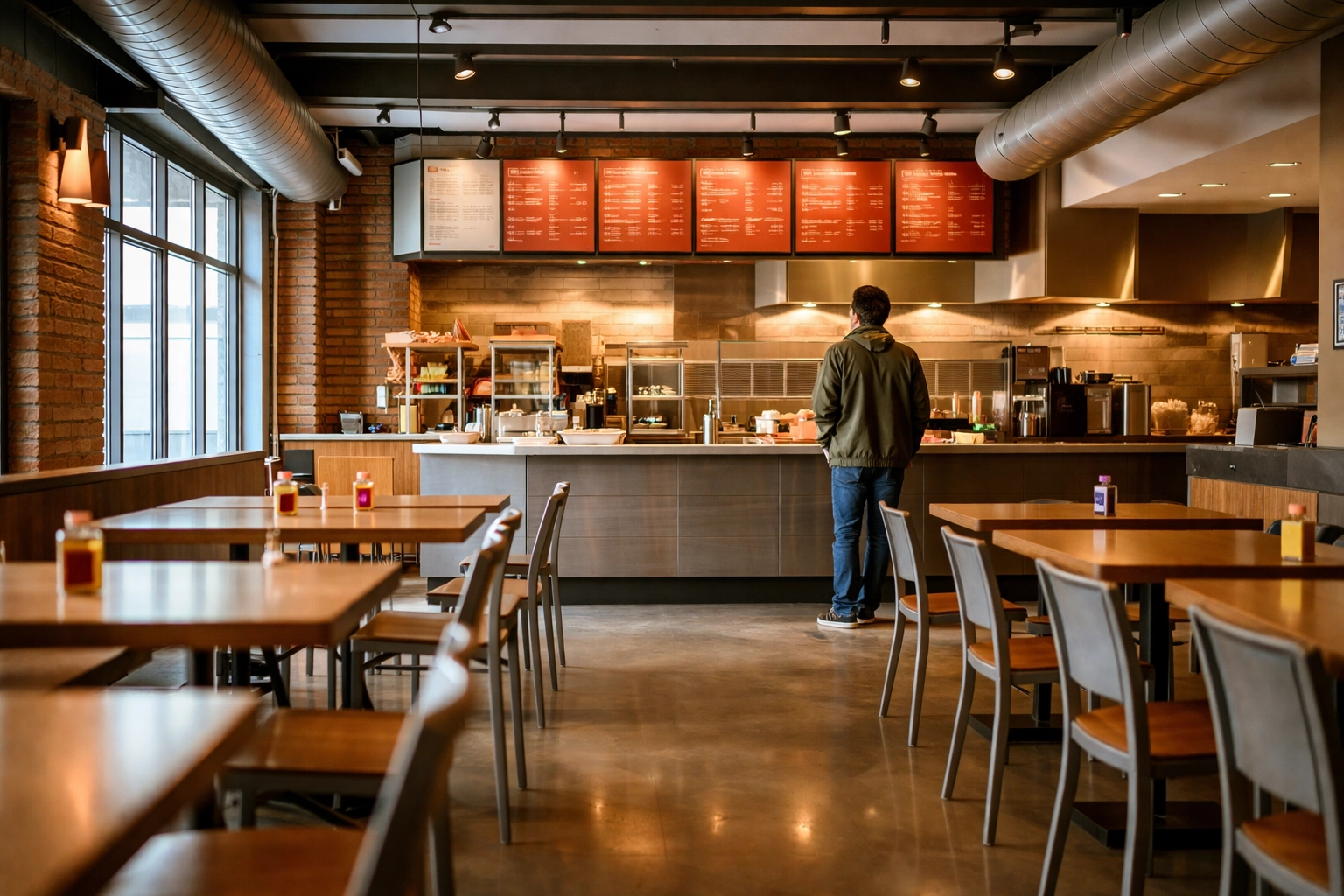
According to Nation's Restaurant News, Chipotle is experiencing its first same-store sales decline in over two decades. And this isn't just a statistical blip: it's a signal that even the strongest brands aren't immune to what's happening in the broader market.
Here's what we're seeing:
– Pricing fatigue is real – Chipotle pushed menu prices aggressively over the past few years, and customers earning under $100,000 annually (roughly 40% of their base) are finally pushing back. They're not abandoning fast-casual entirely: they're just visiting less often.
– Traffic is down across the board – It's not just Chipotle. Lower-income diners are cutting back on dining out due to economic uncertainty and persistent inflation concerns. The "treat yourself" mentality has shifted to "treat yourself… at home."
– EPS growth has flatlined – Through the first three quarters of 2025, Chipotle posted modest single-digit EPS growth, with one quarter actually going negative. For a brand that's been a Wall Street darling, that's a wake-up call.
Now, here's where it gets interesting. Chipotle isn't panicking. They hit 4,000 locations in late 2025, they're expanding internationally, and over 80% of their new builds include a Chipotlane drive-through. They're playing the long game.
The takeaway for restaurant operators? Even the giants are feeling the squeeze. If Chipotle: with their operational discipline, brand loyalty, and capital reserves: is showing cracks, it's a reminder that nobody gets a free pass in this environment. The days of "build it and they will come" are firmly behind us.
The Dietary Guidelines Just Changed the Menu Conversation
On January 8th, the USDA dropped the 2025-2030 Dietary Guidelines for Americans, and the restaurant industry should be paying attention.
For years, these guidelines have been a background hum: something nutritionists referenced and everyone else ignored while ordering extra cheese. But this update carries real implications for how menus will evolve.
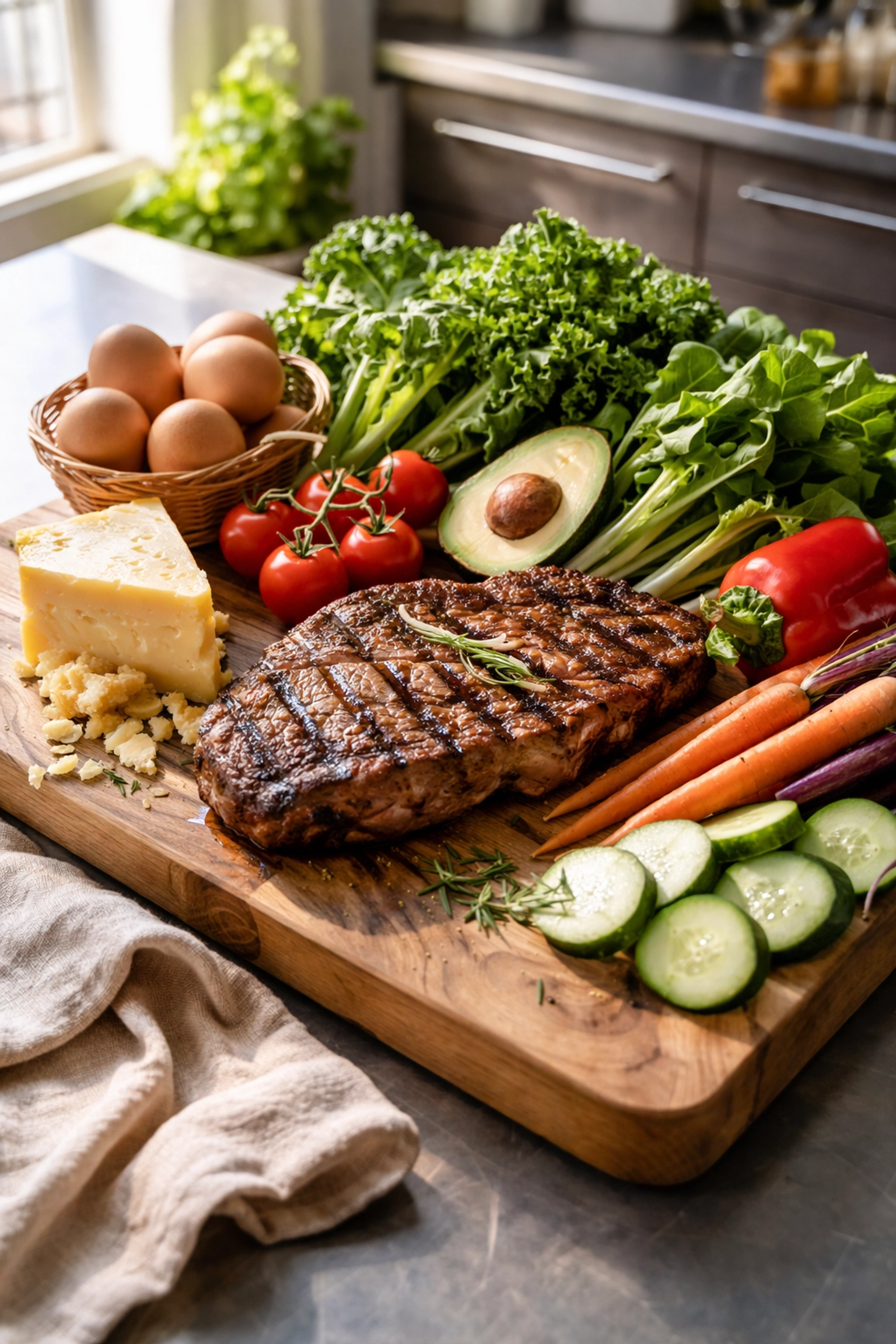
The shift? A stronger emphasis on whole foods and animal proteins, with a clear move away from ultra-processed ingredients. Restaurant Business covered the potential menu implications, and here's why this matters:
– Protein is back in the spotlight – The guidelines are friendlier to meat, eggs, and dairy than previous iterations. For operators, this opens doors for premium protein positioning without the "guilty pleasure" stigma.
– Ultra-processed is the new villain – Think seed oils, artificial preservatives, and heavily modified ingredients. Consumers are already trending this direction (thanks, social media), but official government backing adds legitimacy.
– "Clean label" isn't just marketing anymore – Expect increased pressure from health-conscious diners demanding transparency about what's actually in their food. If your menu still reads like a chemistry textbook, it might be time for a rewrite.
I'll be honest: having worked the line, I know the reality of restaurant kitchens. Sometimes "fresh" means it arrived this morning in a Sysco truck. But consumer perception is shifting, and menus that can authentically lean into whole-food positioning will have a competitive edge.
The smart play? Audit your menu now. Identify items that can be repositioned or reformulated. The brands that get ahead of this curve: rather than scrambling to catch up: will own the narrative.
The FDA Traceability Rule: Your New Paperwork Nightmare
Effective January 20, 2026, the FDA's Food Traceability Rule is officially live. And if you thought health inspections were fun, wait until you see the documentation requirements.
Here's the deal: The rule applies to restaurants that handle foods on the FDA's Food Traceability List: think leafy greens, soft cheeses, certain seafood, and other high-risk items. If that describes your menu (and it probably does), you're now required to maintain detailed records that track these products through the supply chain.
What does this mean in practice?
– More paperwork, period – You'll need to document traceability lot codes, receiving information, and supplier details for covered foods. It's not impossible, but it's definitely more administrative work.
– Your suppliers matter more than ever – If your distributor isn't set up to provide the required traceability data, you've got a problem. Time to have some uncomfortable conversations with your sales reps.
– Technology can help – Inventory management systems that track lot codes automatically will save you headaches. If you're still running on spreadsheets and sticky notes, this might be the push you need to modernize.
Look, I've been the manager buried in paperwork while the dinner rush is starting. Adding another compliance layer isn't anyone's idea of a good time. But the intent behind this rule: faster identification and response during foodborne illness outbreaks: is genuinely good for the industry. Embrace the process, build the systems, and move on.

The "Maturation Moment": Growth Isn't What It Used to Be
Here's the real story of 2026: The restaurant industry is growing up.
For years, success was measured in unit count. More locations, more markets, more flags on the map. Private equity loved it. Franchisors loved it. Everyone chased scale like it was the only metric that mattered.
But something shifted.
We're now in what we're calling the "Maturation Moment." Growth is no longer just about opening more doors: it's about making the doors you already have more profitable, more efficient, and more resilient.
What does mature growth look like?
– Operations over expansion – Brands are investing in existing locations before chasing new ones. Better systems, better training, better margins.
– Strategic closures aren't failure – Some of the biggest chains are actively closing underperforming units. It's not retreat; it's discipline. Pruning the tree so the healthy branches can thrive.
– Unit economics are king – Investors and lenders are scrutinizing same-store sales, labor efficiency, and food cost percentages like never before. Vanity metrics won't cut it anymore.
– Technology as a multiplier – Automation, AI-driven scheduling, and predictive inventory management are moving from "nice to have" to "table stakes." The operators who embrace these tools will outperform those who resist.
This is the environment we're navigating at Restaurant Finance Advisors. Our clients aren't looking for quick fixes: they're looking for sustainable, profitable growth. Through our risk-free turnaround model and our proprietary F&B credit approach, we help operators find hidden money in their existing operations and build the foundation for smart expansion.
The Maturation Moment isn't a setback. It's an opportunity for disciplined operators to separate from the pack.
Final Thoughts: Stay Sharp, Stay Connected
This week's news is a reminder that the industry rewards those who pay attention. Chipotle's stumble, the dietary guideline shift, the FDA's new rules: none of these are existential threats, but they all require awareness and adaptation.
If you want daily insights from industry veterans who've actually worked the line, managed the floor, and navigated the chaos of restaurant operations, follow us on LinkedIn. The conversation there is real, practical, and occasionally funny.
Until next week: keep your coolers cold, your tickets moving, and your paperwork… organized, apparently.
Keywords: restaurant consulting, restaurant investment, restaurant new business, restaurant growth, find money your restaurants
Meta Description: This week's roundup: Chipotle faces a rare decline, new FDA rules hit the books, and the industry enters its "Maturation Moment." Stay ahead with Restaurant Finance Advisors.
Outbound Links:
- Nation's Restaurant News – Chipotle coverage
- Restaurant Business – Dietary Guidelines analysis


