

Look, I've been in this business long enough to know that most restaurant owners are leaving serious money on the table. Not because they're bad at what they do – hell, if you can survive in this industry for more than a year, you're already tougher than most people realize. But because nobody ever told them about these opportunities that literally cost nothing to implement.
After working every position from busser to marketing director, I've seen restaurants hemorrhage cash in ways that would make your accountant weep. But I've also discovered that there's often more money hiding in plain sight than most owners realize. We're talking about legitimate, no-catch opportunities that can boost your bottom line without requiring you to sell a kidney or take out another loan.
Here are seven hidden cash sources that are sitting right under your nose – and why 90% of restaurant owners completely miss them.
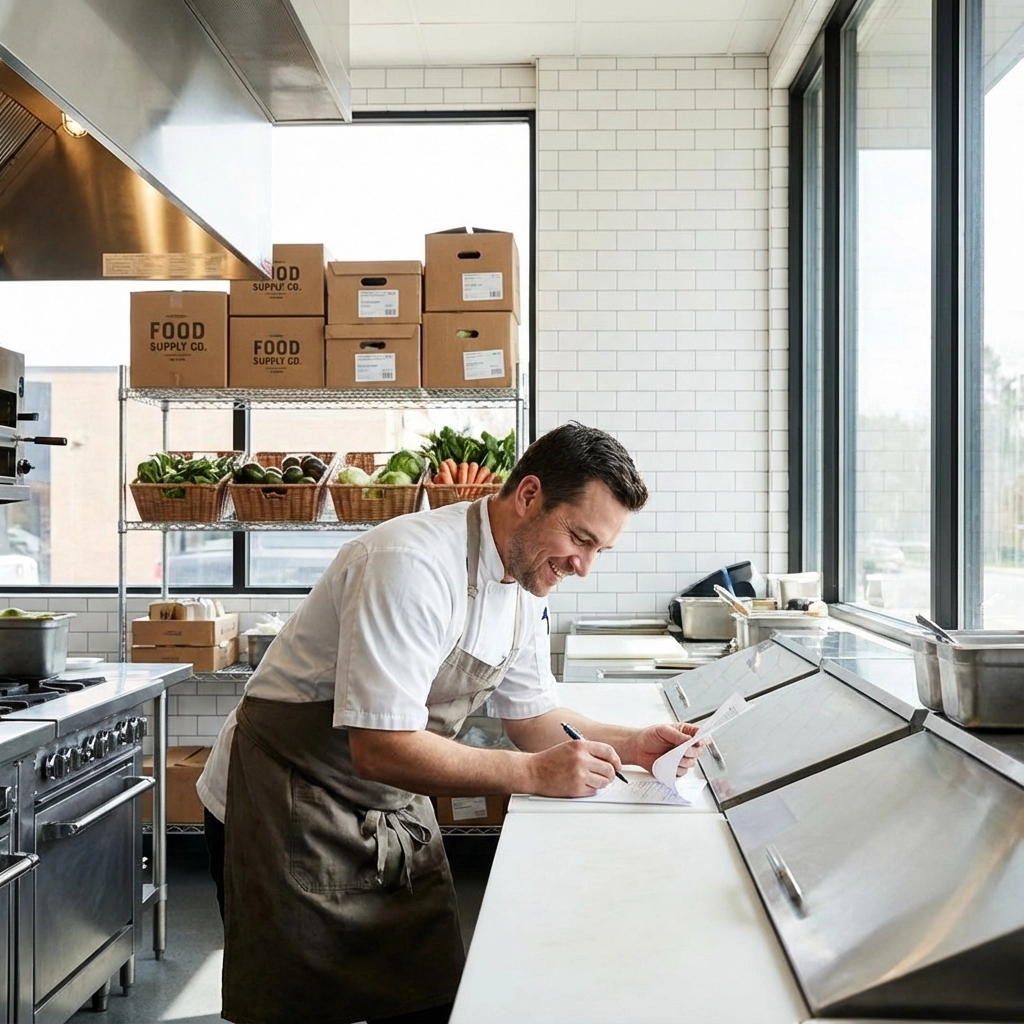
1. Group Purchasing Organizations (GPOs): Your 3-5% Instant Margin Boost
What it is: GPOs pool purchasing power from hundreds or thousands of restaurants to negotiate better prices with suppliers. Think Costco, but for restaurants, and with way better discounts.
How it works: You join a GPO (usually for free), they negotiate bulk pricing with your existing suppliers, and you automatically start paying less for the same products. No changes to your ordering process, no new vendors to manage.
Why owners miss it: Because it sounds too good to be true, and most owners assume there's a catch. There isn't. The GPO gets paid by the suppliers as a marketing fee, not by you.
We've seen restaurants save anywhere from $500 to $5,000 per month just by switching to GPO pricing. One client saved $18,000 in their first year on food costs alone, without changing a single menu item.
2. Payment Processing Audits: Stop Hemorrhaging 4% of Every Transaction
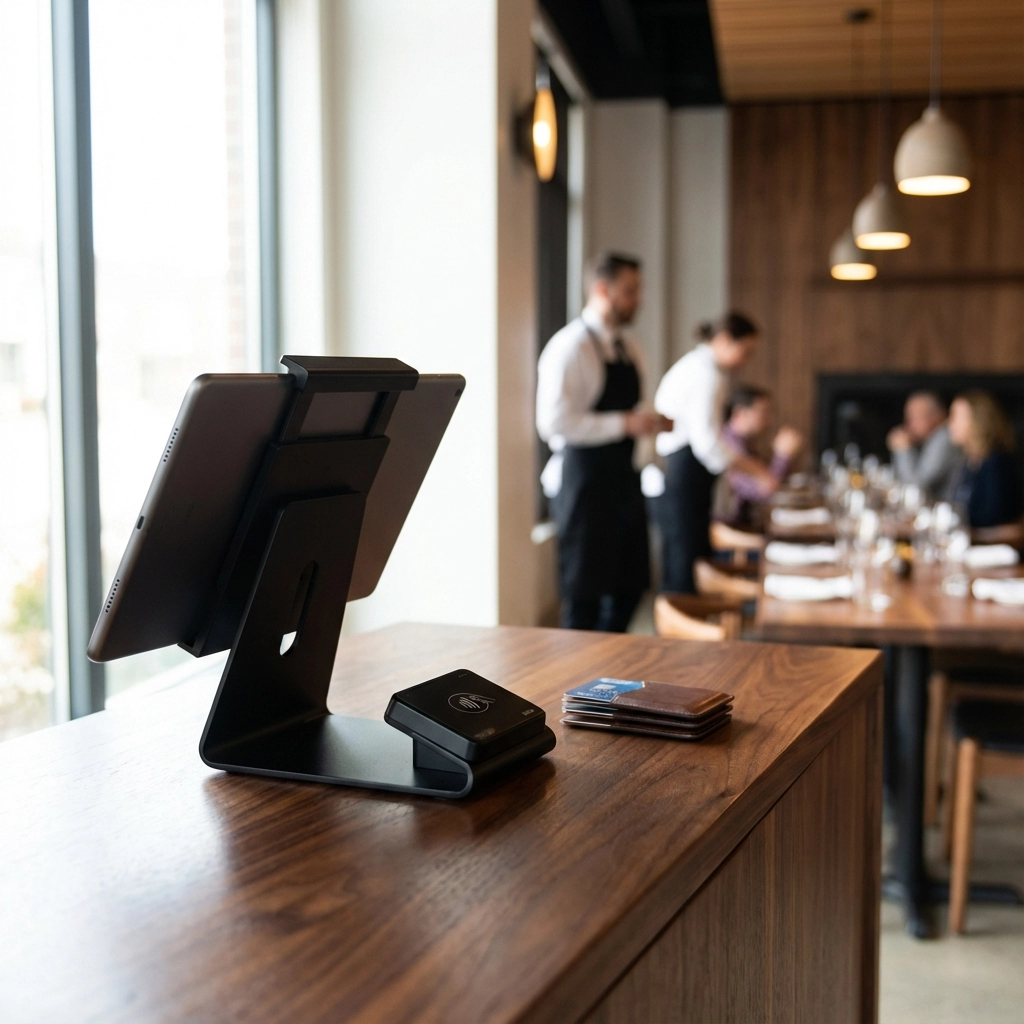
What it is: Most restaurants are overpaying for credit card processing by 1-4% because they signed a contract years ago and never revisited it.
How it works: Payment processing companies count on you never reading the fine print or shopping around. A simple audit and renegotiation can slash your fees dramatically without switching processors.
Why owners miss it: Because dealing with payment processors ranks somewhere between root canals and tax audits on the fun scale. Plus, the statements are deliberately confusing – they don't want you to understand what you're actually paying.
Here's the thing – I've managed restaurants where we were paying 3.8% on transactions when we could have been paying 2.1%. On $50,000 in monthly credit card sales, that's an extra $850 walking out the door every month. Over a year, that's more than $10,000.
3. Utility and Gas Optimization Programs: 20-30% Savings You Didn't Know Existed
What it is: Energy companies offer rebate programs, efficiency upgrades, and alternative rate structures specifically for restaurants. Most operators never hear about them.
How it works: These programs typically involve a free energy audit, equipment upgrades (often at no cost), and switching to commercial rates that actually make sense for restaurant usage patterns.
Why owners miss it: Energy companies are terrible at marketing these programs to small businesses. They focus on large commercial accounts and assume restaurants can't benefit from enterprise-level programs.
We worked with a pizzeria that was spending $2,400 a month on gas. After enrolling in their utility company's restaurant program and upgrading to energy-efficient equipment, they're now spending $1,680. That's $720 a month – enough to hire another part-time employee or finally fix that walk-in cooler that's been making weird noises.
4. Free Equipment Upgrades: Let Someone Else Pay for Your New AC
What it is: Utility companies and energy service companies will replace old equipment (especially HVAC units over 10 years old) at zero cost to you, then recoup their investment through the energy savings.
How it works: They assess your current equipment, calculate the energy savings from newer, efficient units, then install everything for free. You get lower utility bills, they get a portion of the savings for a set period.
Why owners miss it: Because it sounds like a scam. It's not – it's just a business model most restaurant owners have never heard of.
I know a bar owner who got six new AC units installed for free. His summer cooling costs dropped by 40%, and the only "catch" was that the energy company gets 50% of his savings for five years. After five years, he keeps 100% of the savings forever. Pretty sweet deal for equipment that would have cost him $30,000 to replace.
5. Revenue-Sharing Programs: Get Paid to Do What You're Already Doing
What it is: Companies like InKind and Rewards Network bring customers to your restaurant and take payment in the form of future dining credits or a small percentage of the transaction.
How InKind works: They pay your bills (rent, utilities, suppliers) upfront, and you pay them back in dining credits over time. It's like a line of credit, but instead of cash payments, you're paying with food you're already making.
How Rewards Network works: They bring you customers through their corporate dining programs and take a small percentage of the transaction. You get new customers, they get a fee.
Why owners miss it: Because restaurant owners are naturally suspicious of anything that sounds like "free money." Also, the applications can be lengthy, and busy operators don't have time to fill out paperwork.
These programs work especially well for restaurants with strong margins on food. We've seen restaurants generate an extra $2,000-$8,000 per month in revenue through these partnerships, with zero marketing spend.
6. Technology Revenue Shares: Turn Your TVs and Wi-Fi Into Profit Centers
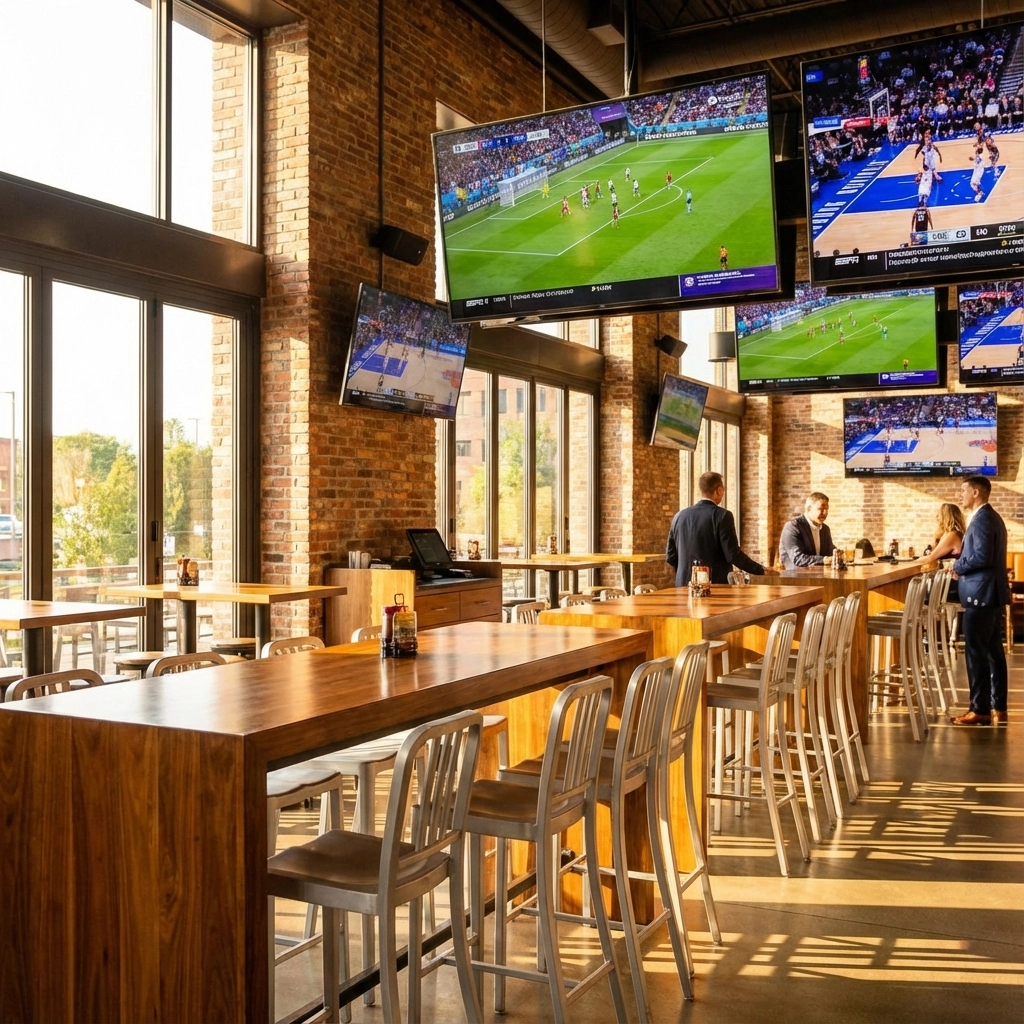
What TAIV does: If you're a sports bar with multiple TVs, TAIV can turn your screens into advertising inventory. They handle everything – sales, content management, technical support – and split the advertising revenue with you.
What Long Fire Solutions offers: They provide free commercial-grade routers and Wi-Fi systems, then monetize the network through advertising and data analytics. You get better internet infrastructure at no cost, they get a revenue stream.
Why owners miss it: Because restaurant owners think of TVs and Wi-Fi as expenses, not revenue opportunities. Also, these companies are relatively new and haven't penetrated the restaurant market deeply yet.
A sports bar we work with makes an extra $400-800 per month through TAIV, depending on the season. That might not sound like much, but it's completely passive income that requires zero effort once it's set up.
7. Financial Tools and Benefits: Better Terms Without Better Credit
What Tab Commerce offers: A credit card specifically built for restaurants with 60-day payment terms instead of the usual 30. This essentially gives you an extra month of float on your purchases.
What OS Benefits provides: Affordable health and benefits packages for restaurant employees at group rates, which helps with retention and reduces recruiting costs.
Why owners miss it: Because restaurant-specific financial products are a relatively new category, and most owners default to whatever their bank offers or whatever the previous owner was using.
The 60-day terms alone can be a game-changer for cash flow. If you're spending $20,000 a month on supplies and ingredients, having an extra 30 days to pay effectively gives you a $20,000 interest-free loan every month.
The Real Problem: Nobody Tells Restaurant Owners This Stuff Exists
Here's what kills me about this industry – we're expected to be experts at everything. Food cost management, labor scheduling, marketing, HR, accounting, equipment maintenance, health department compliance, and apparently now we're supposed to know about obscure utility rebate programs and revenue-sharing partnerships.
The big chains have entire departments dedicated to finding these opportunities. Independent operators are usually flying solo, focused on getting through the next service, not optimizing vendor relationships and exploring alternative revenue streams.
That's exactly why these opportunities exist in the first place. Companies know that restaurant owners are too busy to hunt down every possible cost savings or revenue opportunity, so they don't advertise these programs heavily. They're content to work with whoever finds them first.
Your Next Move
The beautiful thing about all seven of these cash sources is that they require minimal effort once you know about them. Most can be set up with a phone call or online application. None require upfront investment or long-term commitments that put your restaurant at risk.
Start with the GPO and payment processing audit – those typically show results within 30-60 days and require the least amount of ongoing management. Then work through the utility programs and equipment upgrades, which take longer to implement but often provide the biggest dollar savings.
The revenue-sharing programs and financial tools are worth exploring once you've optimized your cost structure. They're more about growth and cash flow management than immediate cost savings.
We've helped dozens of restaurants implement these strategies, and the results are consistently impressive. Not because we're geniuses, but because these opportunities are just sitting there waiting for someone to take advantage of them.
Stop leaving money on the table. Your restaurant already has everything it needs to boost profitability – you just need to know where to look.
Keywords: restaurant consulting, restaurant investment, restaurant new business, restaurant growth, find money your restaurants, restaurant cost savings, GPO savings, restaurant revenue optimization, restaurant cash flow, restaurant profit margins
Meta Description: Discover 7 hidden cash sources every restaurant owner misses. From GPO savings (3-5%) to free equipment upgrades, learn how to find money your restaurant already has without upfront costs.
Outbound Links:


