

You ever notice how restaurants always run out of the good bread right when you want it? I mean, really notice it? You walk into a place, you see that beautiful, crusty artisan loaf sitting there in the basket by the host stand, and you think to yourself, "Now that's what I'm talking about." But by the time you're seated and ready to order, what do they bring you? Some sad, deflated dinner roll that tastes like it was made during the Carter administration.
How do you run out of bread? It's bread! We've been making the stuff for ten thousand years. Flour, water, yeast, heat. It's not rocket science. Yet somehow, every restaurant manager in America acts like bread inventory is some kind of unsolvable mystery, right up there with why socks disappear in the dryer and why the ice cream machine is always broken at McDonald's.
The Great Bread Conspiracy
Here's what I think is really going on – and I've been thinking about this a lot lately, maybe too much – restaurants treat bread like it's some kind of afterthought. They spend weeks planning their menu, hiring consultants to tell them what shade of beige their walls should be, and obsessing over whether their logo font says "rustic charm" or "modern sophistication." But bread? Bread gets ordered like they're playing darts blindfolded.
I worked in restaurants for years – busser, server, cook, manager, the whole nine yards – and let me tell you something: the bread situation never gets easier. You'd think with all our modern technology, all our inventory management systems and point-of-sale computers that can track everything down to the last pickle, we'd have figured out bread. But no.
The fancy places, the ones charging forty-seven dollars for a piece of fish, they bake bread multiple times a day. They know exactly how many covers they're doing, they know their flow patterns, and they plan accordingly. Revolutionary concept, right? Actually knowing what you need and having it ready when people want it.
But everywhere else? They order bread like they're buying lottery tickets – hoping for the best, expecting disappointment.
The Tuesday Night Tragedy
You want to know when the bread shortage really hits? Tuesday night. Every Tuesday night in America, restaurants are down to their last sad specimens of whatever carbohydrates they can scrape together. Monday they were flush with fresh deliveries. By Tuesday evening, all that's left is the focaccia that nobody ordered and those weird pretzel rolls that seemed like a good idea six months ago.
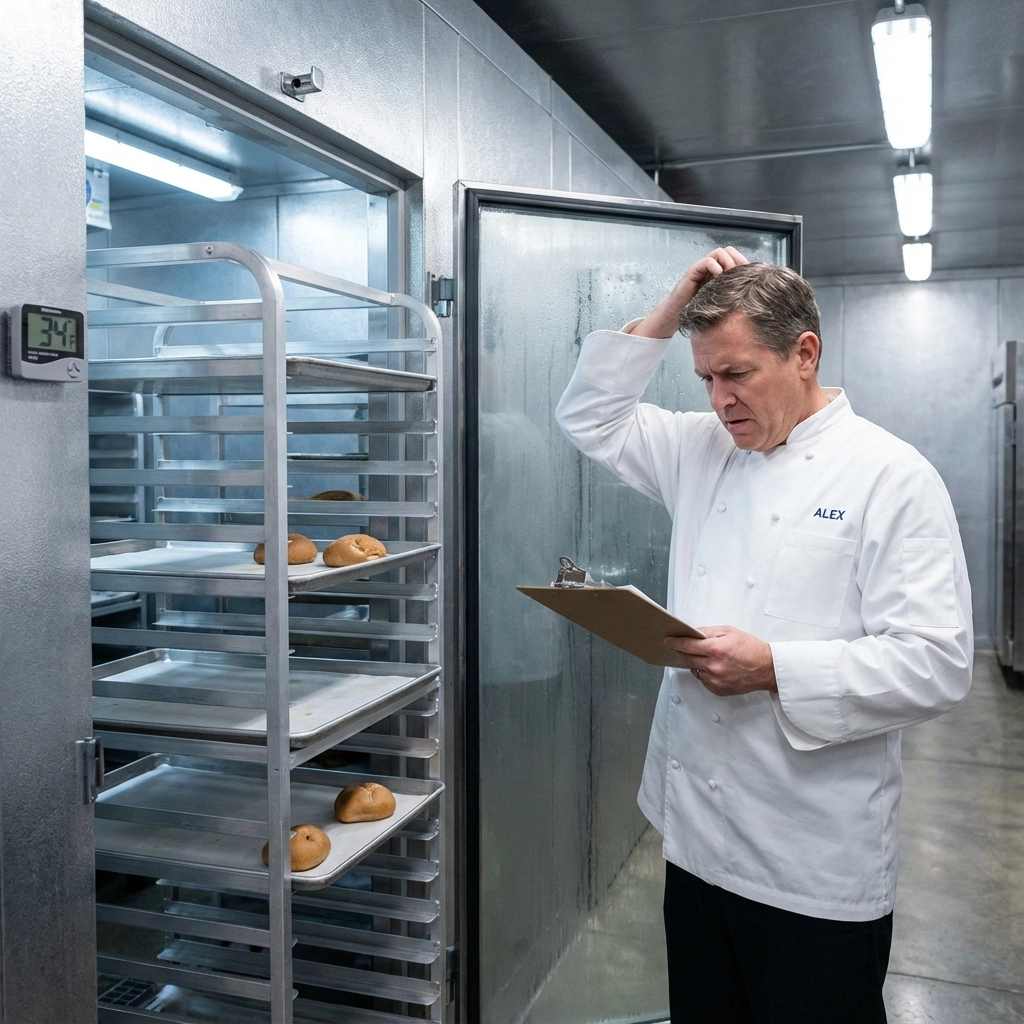
I've seen kitchen managers – grown adults with culinary degrees – standing in walk-in coolers at 6 PM on a Tuesday, staring at three lonely baguettes like they're trying to solve world hunger. They're doing mental math: "Okay, we've got twelve tables left, three pieces of bread each table, but this family over here looks hungry…"
And here's the thing that really gets me – they're constantly adjusting their bread orders. Constantly. They've got spreadsheets and delivery schedules and meetings about bread utilization. They spend more time managing bread inventory than some countries spend on their defense budgets.
The Leftover Bread Crisis
Then there's the other side of this coin – what happens when they order too much? Because apparently, there's no middle ground in bread ordering. It's either feast or famine.
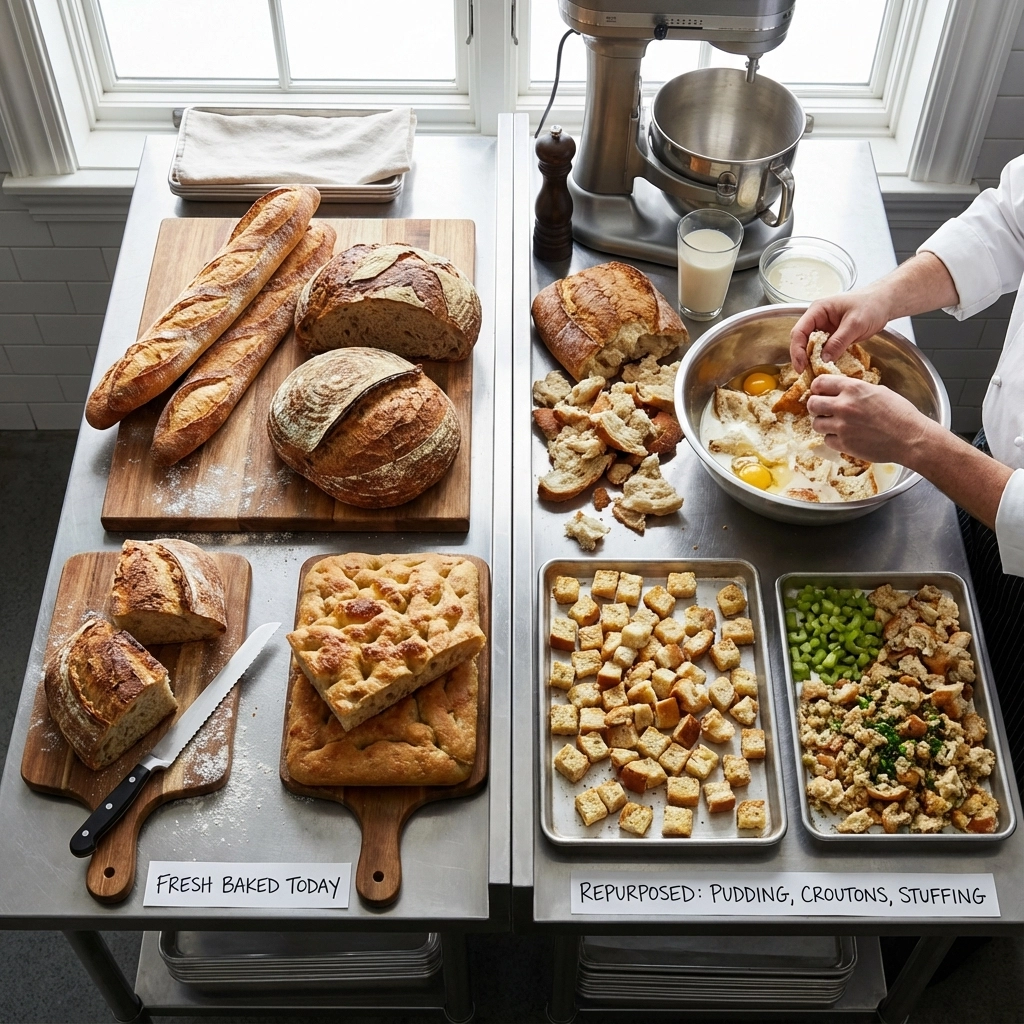
When restaurants have too much bread, they turn into used car salesmen. "Can I interest you in our bread pudding?" "How about some croutons?" "Would you like to try our bread-stuffed chicken breast?" They're trying to move bread like it's going out of style, which, let's face it, it kind of is if you don't eat it fast enough.
I once worked at a place where the manager would stand by the kitchen pass, counting out bread portions like he was dealing poker cards. Two pieces per table. No more, no less. God forbid someone asked for extra bread – you'd think they were requesting the crown jewels.
The Fresh Bread Illusion
Here's what really bothers me about this whole situation: most of the bread isn't even fresh anyway. They want you to think it is. They warm it up, they put it in those little cloth-lined baskets that make everything look artisanal, but half the time it was frozen yesterday and thawed this morning.
The truly fresh bread places? You can spot them a mile away. They smell different when you walk in. There's flour on the baker's apron at 3 PM because they've been baking all day. The bread has that slightly irregular shape that says "a human being actually formed this with their hands."
But most restaurants are getting their bread from the same three suppliers, shipped in plastic bags, stored in walk-in freezers, and reheated when needed. Nothing wrong with that, mind you – it's efficient, it's cost-effective, it makes sense from a business standpoint. Just don't pretend it's fresh when it's not.
The Business Reality Behind the Bread
Now, here's where it gets interesting from a business perspective – and this is something every restaurant owner should understand – bread is one of the trickiest items to manage because it represents everything challenging about food service in miniature.
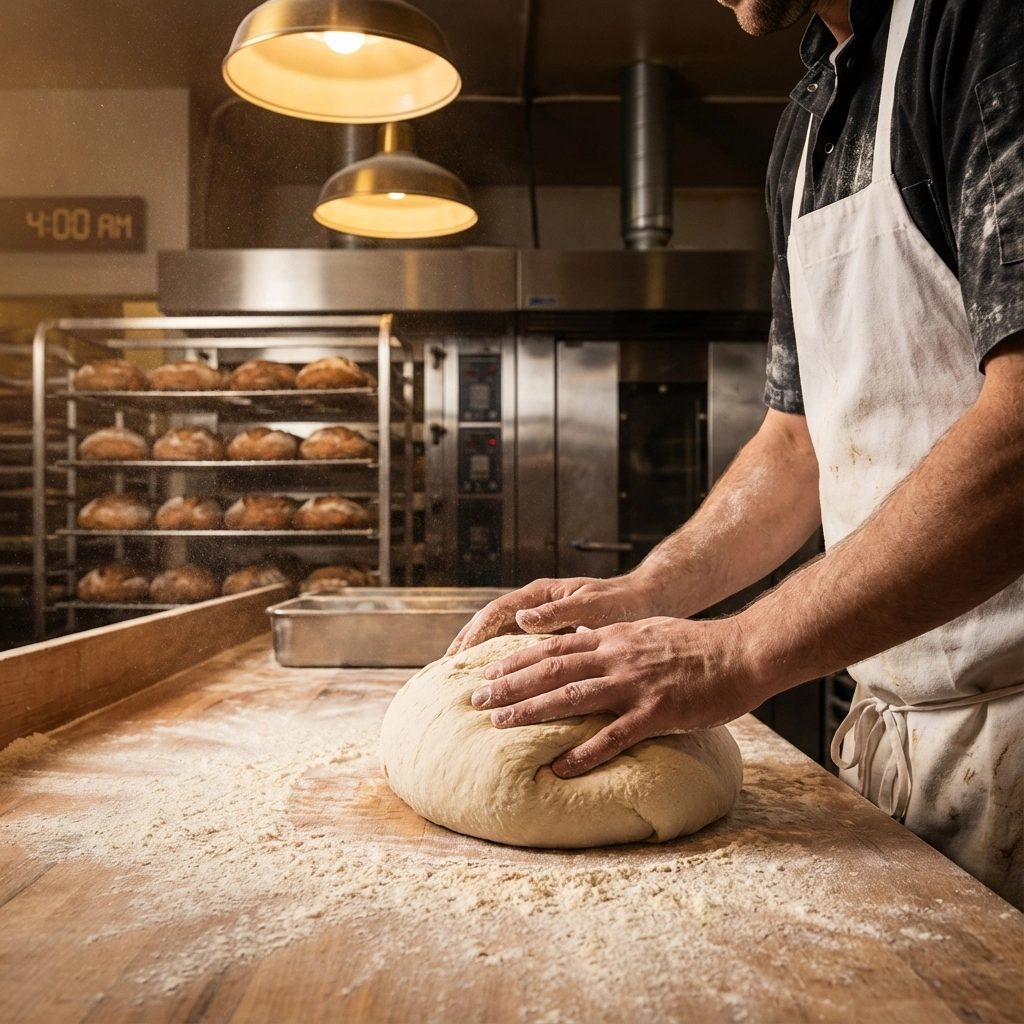
Short shelf life? Check. Good bread goes bad faster than restaurant gossip. Variable demand? Double check. Some days everyone wants bread, some days they're all on keto. High labor costs if you make it fresh? Triple check. Bakers start work at 4 AM and expect to be paid accordingly.
Smart restaurant operators understand that bread management is really about understanding your customer flow patterns and optimizing your supply chain. The places that never run out of the good bread? They're not just lucky – they're using data. They know that Friday nights require 40% more bread than Tuesday lunches. They know that families with kids order more bread than business dinners.
The Hidden Opportunity
But here's what most restaurant owners miss – and this is the real business insight buried in all this bread frustration – bread is one of your highest-margin opportunities to create customer loyalty.
Think about it: bread is usually the first thing customers taste in your restaurant. It sets the tone for everything that follows. Get it right, and you've created a positive first impression that carries through the entire meal. Get it wrong, and you're fighting an uphill battle from minute one.
The restaurants that figure out bread management aren't just solving an inventory problem – they're creating a competitive advantage. When word gets out that your place always has amazing, fresh bread, people remember that. They come back for it. They bring friends and tell them about it.
The Solution Nobody Wants to Hear
So what's the answer to the great bread shortage mystery? It's simpler than restaurant owners want to admit: treat bread like it matters, because it does.
For restaurant operators reading this – and I know you are because you're always looking for that edge – your bread program is a direct reflection of your operational excellence. If you can't keep good bread in stock consistently, what does that say about how you manage everything else?
The solution isn't complicated:
– Track your bread usage patterns religiously – not just how much you go through, but when you go through it
– Build relationships with bakeries that can deliver multiple times per week instead of trying to stockpile
– Train your staff to understand bread as a profit center, not just a table amenity
– Consider offering multiple bread options so when one runs out, you're not left empty-handed
The restaurants that never run out of good bread? They've figured out something fundamental about hospitality – consistency beats perfection every time. Your customers would rather have reliably good bread than occasionally amazing bread that might not be available.
And maybe, just maybe, if enough restaurant owners read this and fix their bread programs, I won't have to sit through another Tuesday night dinner with nothing but stale focaccia to show for it.
Keywords: restaurant bread management, restaurant inventory control, food service operations, restaurant supply chain, bread shortage restaurants, restaurant customer experience, food cost management, restaurant consulting, restaurant operations, hospitality management
Meta Description: Why do restaurants always run out of the good bread? A humorous look at bread inventory challenges and the business opportunities restaurant owners are missing.
Outbound Links:


