

December 2025 has delivered a masterclass in restaurant industry volatility. From consumer behavior shifts that would make your grandmother's Depression-era stories seem quaint to AI mishaps that remind us why human judgment still matters, this month's headlines paint a picture of an industry in dramatic transition.
As someone who's worked every position from busser to director of marketing, I've learned that the most successful restaurant operators are those who can read between the lines of industry news and translate trends into actionable strategies. Let's break down the seven biggest stories shaping our industry right now: and what they mean for your bottom line.
1. The Great Value Hunt: Consumers Are Obsessed With Cheap Eats
The Headline: Consumer searches for budget dining options have exploded, with "cheap eats" queries up 21%, "meal deals" jumping 117%, and "value meal" searches rising 22% year-over-year. Despite restaurant spending being 23% above pre-pandemic levels nominally, adjusted for inflation it's only up 0.8%.
What It Means for Your Business:
This isn't your typical economic downturn dining pattern: this is a fundamental recalibration of consumer expectations. We're witnessing the birth of the "value-conscious diner," a customer segment that's simultaneously willing to spend on dining experiences but demands perceived value at every transaction.
– Menu Engineering Becomes Critical: Your $18 pasta better deliver an experience that feels like $25, or you'll lose to the competitor offering a $14 version that satisfies the same craving
– Bundle Strategy Wins: McDonald's, Chipotle, and Yum! Brands have pivoted aggressively toward dynamic pricing and bundled offerings for good reason: customers perceive bundles as better value even when margins remain intact
– Promotional Frequency Must Increase: The days of quarterly LTO rollouts are over; successful operators are running value-focused promotions monthly or even bi-weekly
The smartest operators I've consulted with aren't racing to the bottom on price: they're engineering perceived value through portion optimization, ingredient storytelling, and strategic menu positioning.

2. Solo Dining Revolution: Nearly Half of All Orders Are Individual
The Headline: Solo orders have exploded from 31% in 2021 to 47% in 2025: a 52% increase that reflects fundamental changes in how consumers eat out.
What It Means for Your Business:
This trend has caught many operators off-guard, but it represents the single biggest operational shift in modern restaurant history. Solo diners aren't antisocial: they're seeking control, customization, and convenience in an increasingly chaotic world.
– Operational Rhythm Changes: Single-diner orders require faster execution times and different kitchen workflows than traditional group orders
– Menu Design Matters: Shareable plates and family-style concepts need individual-friendly options, while portion sizes require strategic rightsizing
– Seating Strategy Evolves: Counter seating, communal tables, and bar dining become revenue drivers rather than space fillers
Yum Brands' CMO Ken Muench nailed it when he emphasized that consumers crave customized experiences and control, even when it means forgoing deals. Your solo diners aren't looking for charity pricing: they want efficiency and personalization.
3. Dave & Buster's Shows Recovery Signals Despite Sales Declines
The Headline: Despite a 4% same-store sales decline in Q3, Dave & Buster's reported sequential month-to-month improvements, with October declining only 1% year-over-year following their new simplified menu launch.
What It Means for Your Business:
Dave & Buster's turnaround story validates a critical principle that many operators resist: sometimes you have to cut to grow. Their "Back-to-Basics" strategy of menu simplification while opening five new stores demonstrates confidence in operational refinement over menu expansion.
– Menu Simplification Drives Execution: Ruthlessly editing offerings improves kitchen efficiency, reduces food waste, and enhances consistency
– Quality Beats Variety: Customers prefer fewer options executed flawlessly over extensive menus executed poorly
– Operational Refinement Precedes Growth: Dave & Buster's focused on stabilizing existing performance before expansion: a lesson many restaurant growth stories ignore
Having managed kitchens during menu overhauls, I can tell you that your line cooks will thank you for simplification, and your customers will notice the improved quality within weeks.
4. Casual Dining Resurges While Fast-Casual Stumbles
The Headline: Q3 2025 demonstrated a clear market divergence, with casual dining gaining ground as fast-casual concepts like Cava revised sales forecasts downward due to economic pressure on younger diners.
What It Means for Your Business:
The middle market is proving more resilient than industry experts predicted. While everyone assumed consumers would trade down to fast-casual, they're actually trading up to full-service dining that delivers clear value propositions.
– Destination Appeal Matters: Concepts offering elevated experiences, community gathering spaces, and event-driven dining are outperforming quick-service alternatives
– Service Becomes Differentiator: In a world of kiosks and apps, human interaction and hospitality create competitive moats
– Experience Justifies Price: Customers will pay more for dining experiences that feel special, not just convenient
The operators succeeding in casual dining right now aren't competing on speed: they're competing on experience quality and perceived value. Location, ambiance, and service matter more than transaction time.
5. Labor Shortages Persist Despite Overall Employment Growth
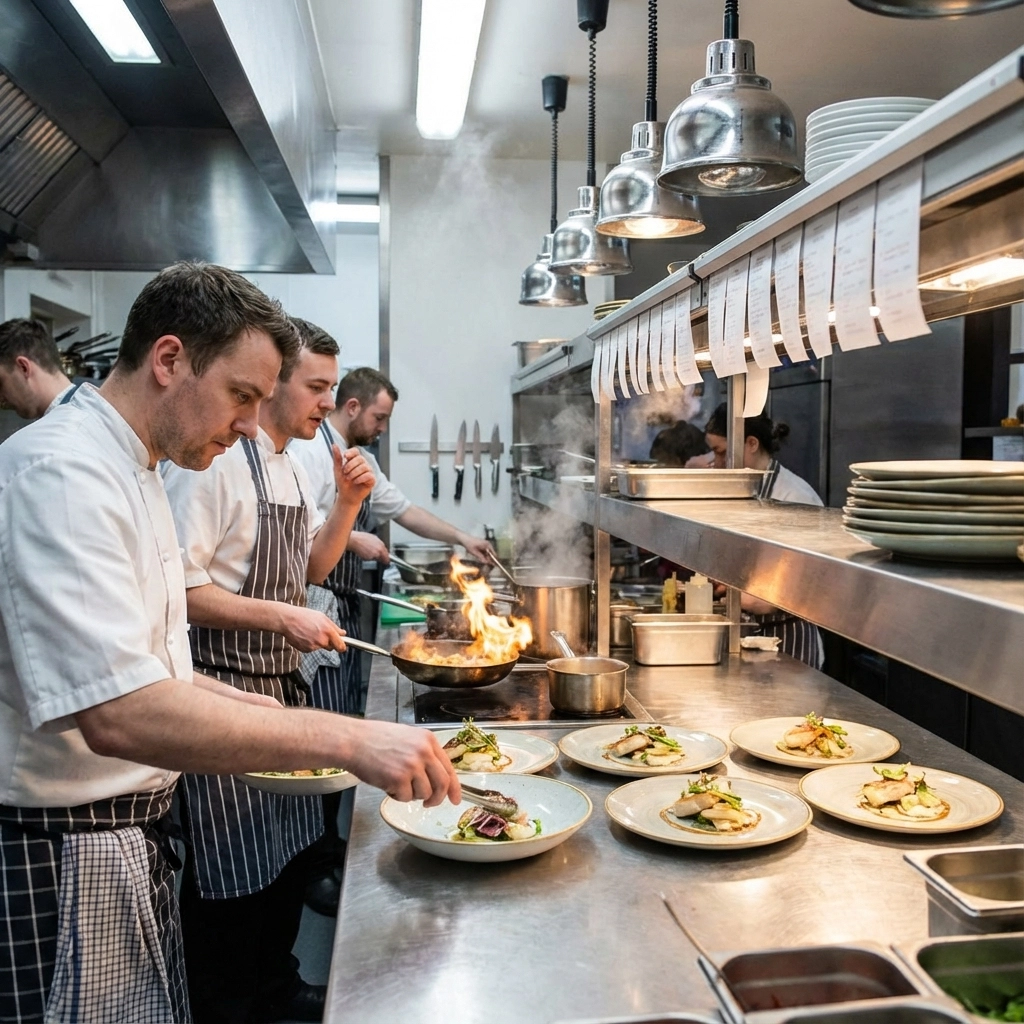
The Headline: Despite the restaurant industry reaching 15.9 million jobs, 81% of operators still cite recruitment and retention as top operational barriers, with full-service restaurants remaining 233,000 positions understaffed compared to pre-pandemic levels.
What It Means for Your Business:
The "Great Resignation" has morphed into the "Great Stay" in most industries, but restaurants continue facing unique workforce challenges. This isn't about unemployment rates: it's about industry attractiveness and workplace culture.
– Compensation Strategy Must Evolve: Beyond wages, successful operators are investing in scheduling flexibility, career development, and workplace culture improvements
– Automation Becomes Competitive Advantage: POS systems, inventory management, and kitchen automation aren't luxuries: they're necessities for maintaining service levels with reduced staffing
– Retention Trumps Recruitment: It's cheaper and more effective to create workplace environments that retain good employees than to constantly recruit new ones
From my experience in restaurant operations, the managers who treat their teams as strategic partners rather than replaceable labor consistently outperform their peers in both retention and customer satisfaction.
6. McDonald's Faces Brand Control Challenges
The Headline: McDonald's pulled a Christmas ad produced with AI after public backlash while simultaneously tightening franchise standards and beginning to assess operator pricing decisions to ensure consistent customer experience.
What It Means for Your Business:
McDonald's dual challenges: AI messaging failures and franchise pricing scrutiny: highlight two critical issues facing modern restaurant brands: authentic communication and operational consistency.
– Brand Authenticity Matters More Than Efficiency: Cost-optimized solutions (like AI-generated content) can backfire spectacularly during emotional seasons or cultural moments
– Franchise Consistency Requires Active Management: Corporate oversight of pricing and operational standards will increase across all franchise systems
– Cultural Sensitivity Beats Technological Innovation: Understanding your customer base's values and expectations remains more important than adopting the latest technology
The lesson here isn't to avoid technology: it's to ensure that technological solutions align with brand values and customer expectations, especially during high-stakes periods like holidays.
7. Industry Forecasts Point to Tech-Cultural Convergence
The Headline: Yum Brands released its first-ever food trends report, predicting "dessert caviar," African grains like injera, dynamic pricing, AI integration, and nostalgia-driven comfort foods as key 2026 menu drivers.
What It Means for Your Business:
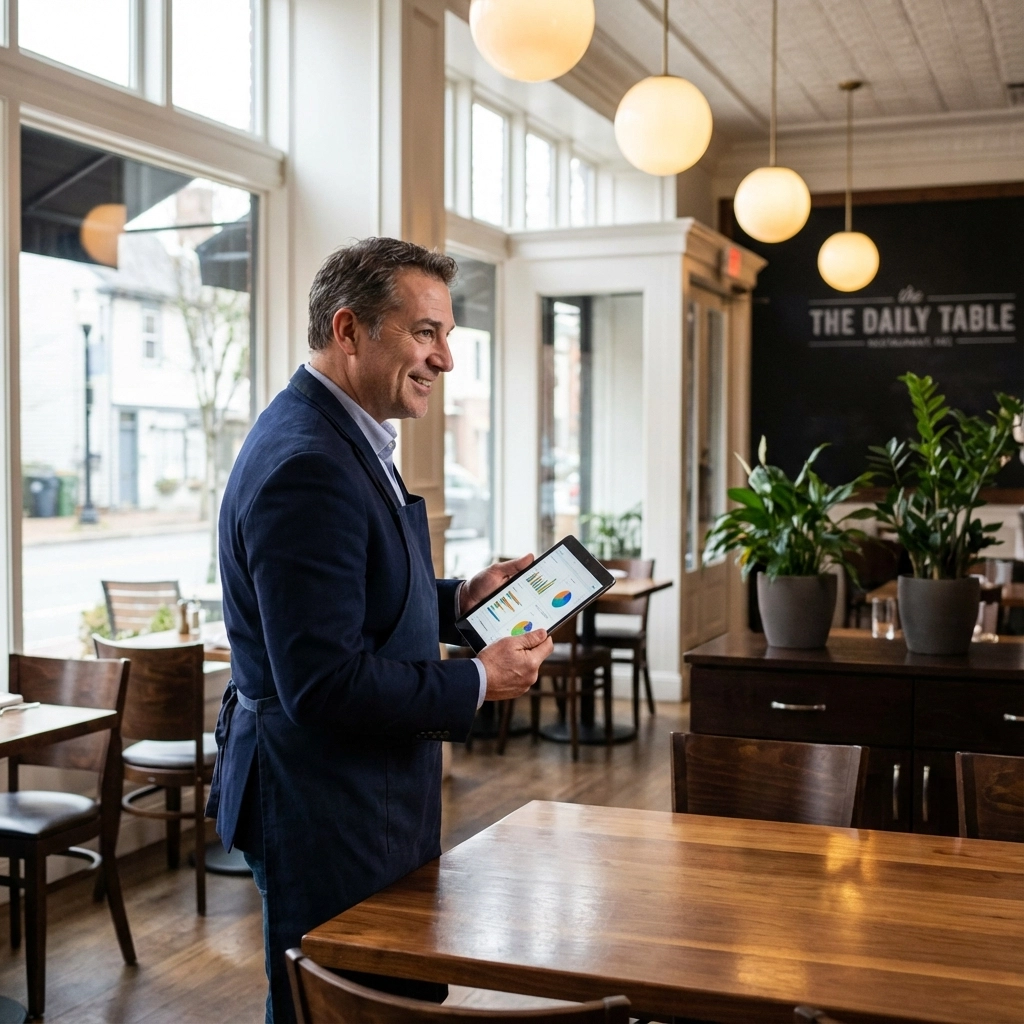
The convergence of automation, customization, and cultural authenticity isn't just trendy: it's becoming the baseline expectation for successful restaurant concepts. The winning formula combines technological sophistication with human storytelling.
– Cultural Authenticity Drives Differentiation: Incorporating diverse culinary traditions and ingredients creates menu distinction and appeals to increasingly adventurous diners
– Dynamic Pricing Becomes Standard: AI-driven pricing optimization will move from fast-casual to full-service as customer acceptance grows
– Nostalgia Marketing Balances Innovation: Comfort food positioning helps offset technological adoption anxiety among traditional customer segments
The operators investing in strategic renovation and entertainment: like Clyde's Restaurant Group's event-driven growth model: are successfully differentiating in an increasingly commoditized market.
These seven headlines reveal an industry in fundamental transition, where success requires balancing technological advancement with human connection, operational efficiency with cultural authenticity, and growth ambitions with value-conscious consumer demands.
The restaurant operators thriving in this environment aren't just adapting to change: they're anticipating it and positioning their concepts to capitalize on emerging opportunities. Whether you're seeking restaurant consulting guidance, exploring restaurant investment opportunities, or planning restaurant new business ventures, understanding these trends provides the foundation for strategic decision-making.
Keywords: restaurant consulting, restaurant investment, restaurant new business, restaurant growth, find money your restaurants, restaurant industry trends, restaurant operations, restaurant marketing, restaurant finance, restaurant management
Meta Description: Discover the 7 major restaurant industry headlines from December 2025 and their business implications. Expert analysis on consumer trends, operational challenges, and growth opportunities for restaurant owners and operators.
Outbound Links:


